


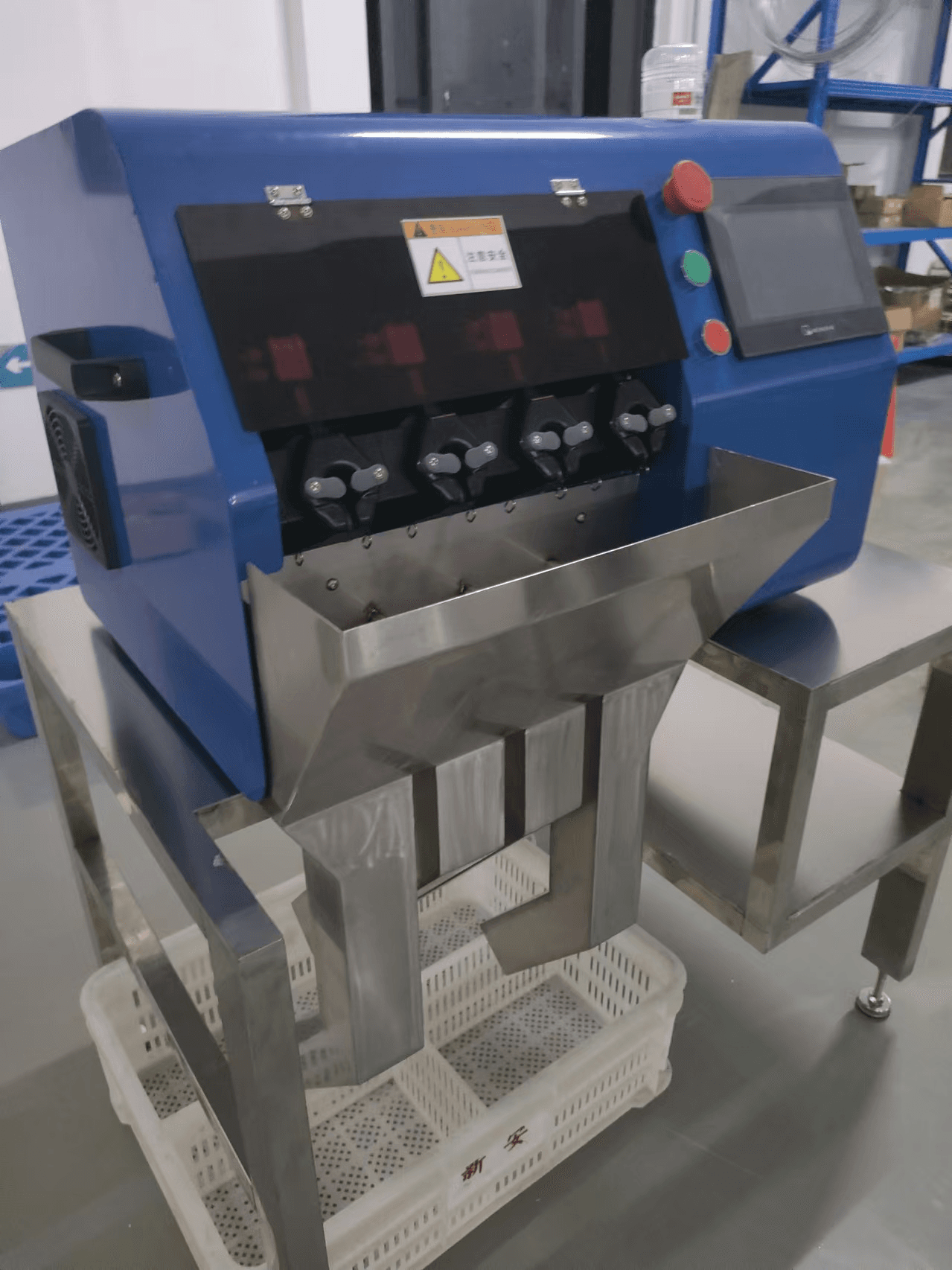
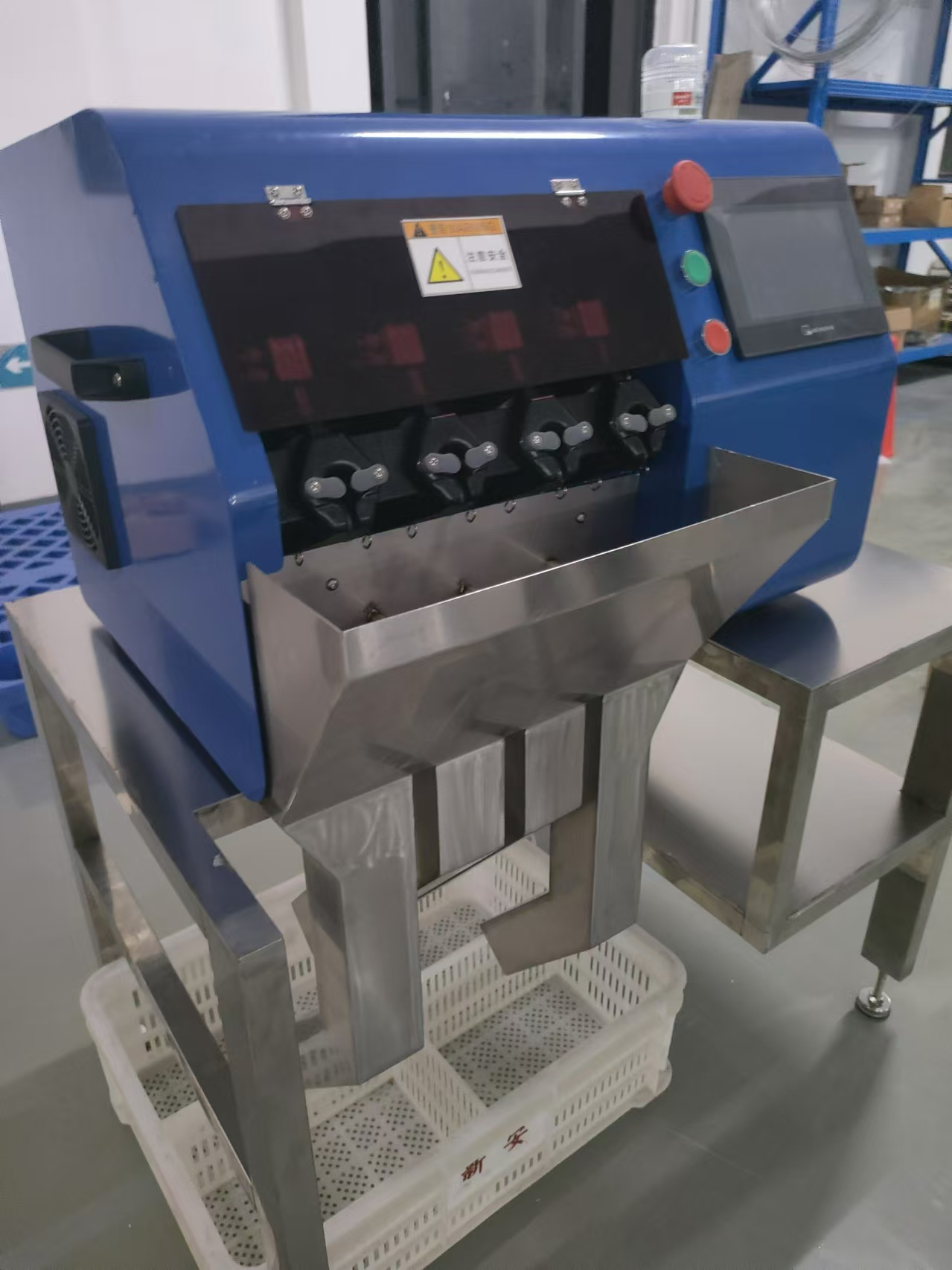
An infrared beak treatment machine may look compact in a product photograph, yet the buying decision is rarely about the machine footprint alone. The real question is whether the proposed workstation can live inside the hatchery's approved process: chicks arriving at the right rhythm, operators working without awkward movement, supervisors seeing what matters, and sanitation teams reaching the areas they must inspect.
That is why a useful first meeting should begin with the room. A buyer who shares only a target output receives a machine conversation. A buyer who shares the route, people, containers, stops, cleaning window, utilities, and decision responsibilities receives a project conversation.
Observation One: Where Does the Work Actually Begin?
Stand where the incoming chick containers will arrive. Is that point close to the operator, or will someone repeatedly carry, turn, lift, or stage containers between departments? Does the incoming route cross a clean return route? Can the next container wait without blocking an aisle or emergency access?
These questions sound ordinary because they are. They are also where many equipment discussions become expensive. A machine can perform its intended function while the surrounding room creates extra handling and waiting.
Jili Intelligent presents its day-old chick infrared beak trimming equipment as part of the JuliSense hatchery equipment portfolio. The product family is only the starting point. The selected configuration must be reviewed against the customer's actual room and approved procedure.
Observation Two: Follow the Operator for Ten Minutes
Do not ask the operator whether the layout feels convenient before the trial. Watch first. Count the turns, reaches, visual checks, pauses, requests for assistance, and moments when the hands are occupied but the next container must move.
The infrared beak treatment machine should be assessed as a workstation rather than an isolated cabinet. Consider the height of containers, the position of supplies, access for a second operator, the supervisor's viewing angle, and the space needed for a controlled changeover.
One repeated extra movement may appear trivial in a drawing. Across a shift, it can become the rhythm that controls the station. JuliSense project discussions are more useful when the customer provides a short video or sketch of the present workflow, including the movements the new equipment is expected to remove.
Observation Three: Make the Stop Visible
Normal running is the easiest condition to demonstrate. A room-fit review becomes more valuable when the team creates one ordinary interruption: the next container is late, an operator changes, an alarm requires attention, or the downstream area pauses.
Watch where chicks and containers wait. Ask who identifies the cause, who authorizes restart, and how the team knows the approved sequence can continue. If the answer depends on someone standing in an aisle or moving work to an undefined location, the room has not been fully designed.
For machinery risk discussions, ISO 12100 provides a general framework for risk assessment and risk reduction. Project-specific risk controls must also reflect the destination and the final configuration.
Observation Four: Let Sanitation Enter the Conversation Early
Production layouts often show where people stand while the equipment runs. They show less clearly where removed parts go, how tools are controlled, how wet and dry activities are separated, and how the station is released after cleaning.
Ask the sanitation owner to walk around the proposed infrared beak treatment machine footprint. Can routine access happen without dismantling the surrounding room? Is there enough space to see, reach, remove, inspect, dry, and reinstall the relevant components? Where are cleaning tools and removable items placed during the work?
Material descriptions do not answer these questions. A sanitation plan is a sequence of people, access, tools, checks, and responsibility. The JuliSense service page provides a basis for discussing design support, commissioning, training, and after-sales scope, which should be defined for the actual project.
Observation Five: Ask the Controls to Match the People
The screen is part of the room because people must read and act on it under real conditions. Ask an operator, a supervisor, and a maintenance person to describe what each role needs to see. The answers will be different.
The buyer should confirm how the proposed control concept distinguishes ready, running, paused, and fault states; who can select or change an approved program; and which events or records are available in the chosen configuration. Veterinary or welfare settings remain the responsibility of the customer's qualified owners.
The World Organisation for Animal Health Terrestrial Code is an internationally recognized reference for animal-health and welfare standards. The applicable local rules and approved hatchery procedure must guide the final process.
A One-Page Room-Fit Note Beats a Long Feature List
After the walk, ask each function to write one sentence under four headings:
| Heading | What to record |
|---|---|
| Confirmed | What the team observed or agreed |
| Assumed | What still depends on layout, utilities, staff, or configuration |
| Evidence needed | Drawings, trials, documents, records, or demonstrations |
| Owner | The person responsible for the next decision |
This page prevents a broad equipment discussion from becoming a false agreement. It also gives JuliSense a better basis for a configuration and quotation review.
What the Room Review Should Change in the Quotation
A quotation for an infrared beak treatment machine should reflect more than the main unit. Depending on the project, the scope may need workstation elements, interfaces, supports, guarding, accessories, training, commissioning, documents, recommended spares, travel, and acceptance support.
The room-fit note should also identify exclusions. Civil work, utilities, upstream containers, network connections, local approvals, and customer-provided labor should not remain hidden assumptions. Clear boundaries make later project meetings shorter and more productive.
At this stage, the infrared beak treatment machine should have a named place in the room, a named operating owner, and a written list of conditions that still require confirmation.
Buyers can review the wider JuliSense product range and the company's hatchery automation focus on the About Us page before sending a layout.
Ten Questions Buyers Ask About Room Fit
Is the machine footprint enough for layout planning?
No. Include operator space, incoming and outgoing containers, access, sanitation work, maintenance, supervision, guarding, and normal interruption routes.
Should the room be finalized before talking to the supplier?
No. Early supplier input can reveal interface and access needs, but the customer should retain qualified owners for process, welfare, safety, sanitation, and site approval.
How many operators should the layout assume?
Use the planned operating model and test alternatives. Confirm the selected configuration, task division, relief arrangement, and supervision needs during the project review.
What video is useful for an early review?
A short unedited view of the incoming route, current operator movements, container changes, stops, and outgoing route is more useful than a promotional production clip.
Does the supplier decide the treatment program?
The supplier explains equipment capability and controls. The customer's qualified veterinary or welfare owners approve the applicable procedure and settings.
Why include a planned stop in the review?
A stop reveals waiting locations, communication, access, restart responsibility, and whether the surrounding room supports recovery without confusion.
What should sanitation review first?
Review visibility, reach, removal, tool use, temporary part placement, drainage or drying assumptions, reassembly, inspection, and release responsibility.
Can the controls be reviewed before installation?
The supplier can demonstrate the proposed concept and available functions. Final details should be confirmed for the selected equipment and project scope.
Which documents should accompany the layout discussion?
Share the room drawing, workflow sketch, utility information, container details, role plan, approved process requirements, and the evidence expected at acceptance.
How can a buyer start a JuliSense review?
Use the JuliSense contact page to send the destination, room plan, current workflow, expected batch pattern, and the main room-fit concerns.
Make the Room Part of the Buying Decision
The best discussion about an infrared beak treatment machine does not begin with a claim about speed. It begins with the work the hatchery must perform before, during, and after the station runs.
JuliSense can use a room drawing and workflow description to prepare a more relevant equipment conversation. When the route, people, stops, sanitation, controls, and project boundaries are visible, the buyer can compare proposals on evidence instead of brochure language.