


A supplier presentation can be polished and still leave the important questions unanswered. For a hatchery buyer, the useful question is not whether an infrared beak trimming equipment supplier looks professional online. It is whether the supplier can connect your bird application, workflow, equipment configuration, factory test, and support plan into one credible project.
You can learn a surprising amount in one focused video meeting. The purpose is not to conduct a complete audit remotely. It is to find out whether the supplier has real answers, real equipment, and a repeatable way to move from inquiry to startup.
Minute 0-8: Ask the Supplier to Define the Application
Start with your hatchery, not the supplier's catalogue. State the bird type, age at treatment, normal and peak batch pattern, operating window, approved procedure, and whether the machine will run alone or inside an existing line.
Then ask the supplier to repeat the application back in its own words. This small step exposes a major difference. A sales representative who only recognizes the keyword may immediately discuss price. A project team should first confirm that the proposed equipment is intended for the stated birds, process, and production environment.
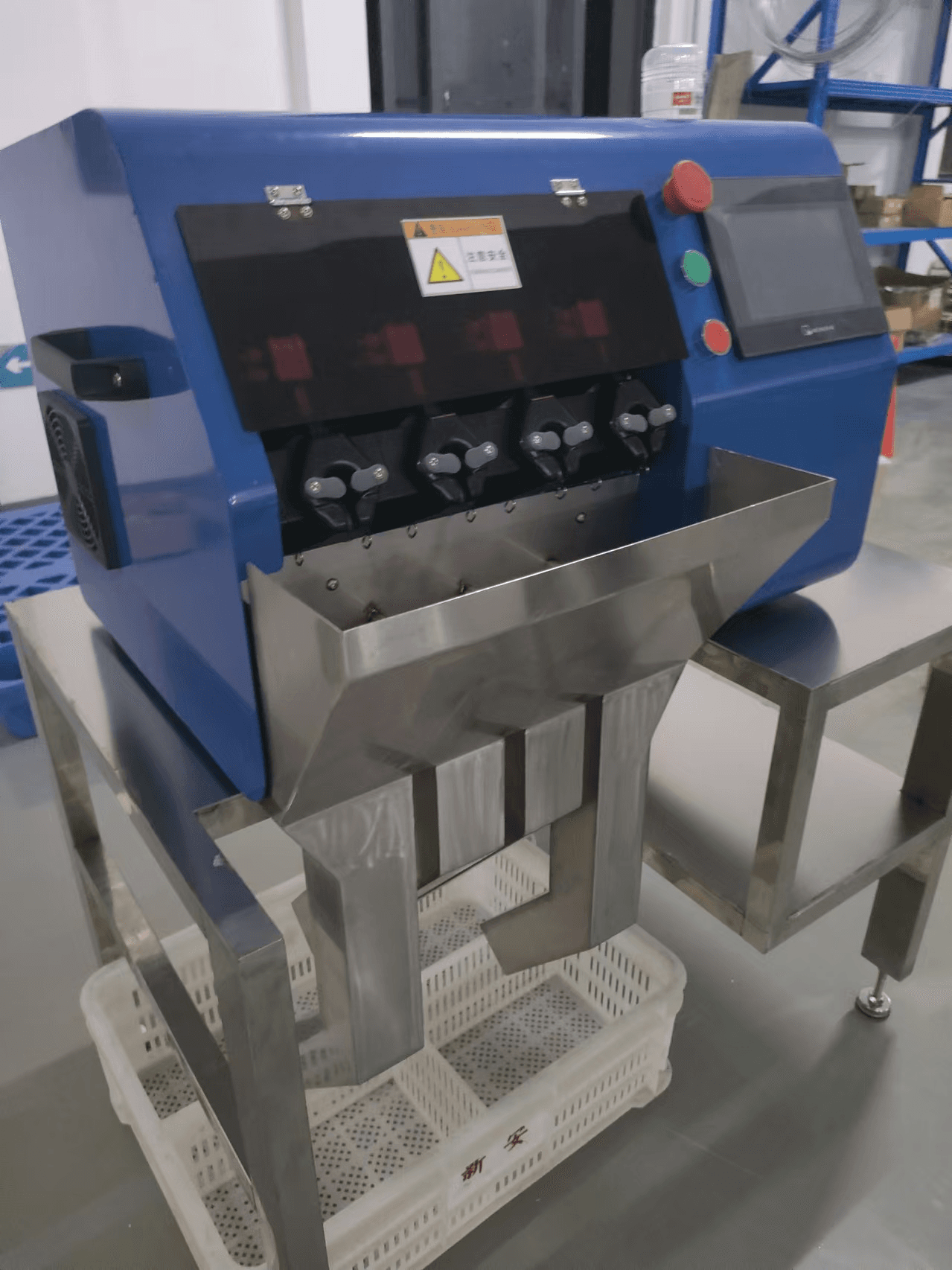
Jili Intelligent, the company behind Julisense.com, publishes a day-old chick infrared beak trimming machine. That published scope matters: it is equipment for a specific hatchery application, not a universal answer for every poultry species, age, or local procedure.
Minute 8-18: Follow One Machine From Assembly to Shipment
Ask for a live walk-through or recent, traceable records that show the proposed model at meaningful stages. You do not need a cinematic factory tour. You need an evidence trail.
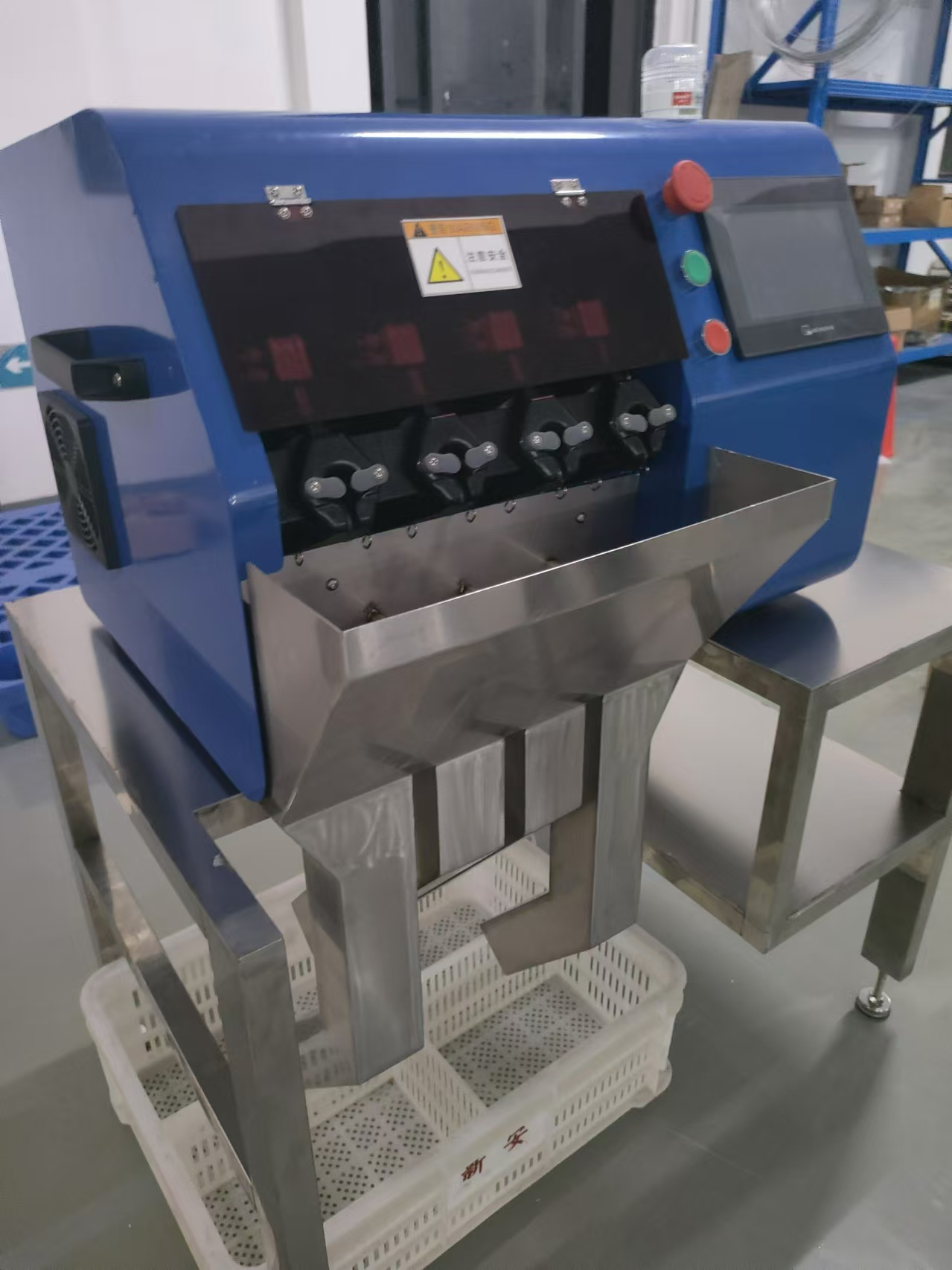
Look for the model or configuration reference, assembly status, operator stations, controls, guards, accessible working areas, and the way the machine will be prepared for shipment. Ask which parts are standard and which parts change for your project. If the machine shown is not the proposed configuration, the supplier should explain the differences clearly.
This discussion also reveals who owns the project after the quotation. Can the team answer mechanical, electrical, workflow, testing, and service questions, or does every question return to a product brochure?
Minute 18-28: Turn the Demonstration Into a Working Shift
Continuous running is only the first scene. Ask to see startup, normal operation, a controlled stop, alarm response, restart, replenishment, and routine access. The exact demonstration must follow safe factory procedures, but it should show more than motion.
Watch the operator rather than only the machine. Is the machine state easy to understand? What must the operator reach, lift, replenish, or clean? What happens to the chicks when a position pauses? Where does upstream flow wait? These observations are more useful than an unqualified claim about speed.
Capacity should be discussed with assumptions attached: staffing, presentation rhythm, batch pattern, planned stops, connected equipment, and test conditions. A rated machine output is not the same as guaranteed shift output for an entire hatchery.
Minute 28-36: Put the Line Interfaces on Screen
A standalone machine can still become an integration project. Ask the supplier to mark the proposed position on your layout and identify every handoff: chick infeed, operator work, outfeed, crate flow, power, air if required, data or control signals, cleaning access, maintenance clearance, and emergency-stop coordination.
If the supplier also provides vaccination, transfer, conveying, or stacking equipment, that can reduce interface ambiguity. It does not remove the need for a defined boundary. The quotation should say what is included, what connects to customer equipment, and who is responsible for each interface.
| Evidence area | Useful proof during the review | A weak answer sounds like |
|---|---|---|
| Application | Proposed model tied to bird, age, process, and workflow | "It works for poultry" |
| Manufacturing | Traceable machine, configuration, and inspection stages | Generic factory montage |
| Performance | Test conditions, staffing, stops, and recovery | One headline capacity number |
| Integration | Marked layout and interface responsibility | "Easy to connect" |
| Support | Named documents, training, spares, and response path | "Best after-sales service" |
Minute 36-45: Read the Commercial Scope Out Loud
End the meeting with the quotation open. Confirm the exact model, number of positions, selected options, line components, factory test, packing, trade term, site preparation, installation, commissioning, training, initial spare parts, warranty terms, and exclusions.
This is where an attractive machine price becomes a usable investment decision. Two suppliers may quote similar equipment but assign startup and integration responsibility very differently. A lower total is not lower risk when important work is simply missing from the document.
At this point, an infrared beak trimming equipment supplier should be able to turn every commercial line into a specific deliverable, test, responsibility, or exclusion.
Ask for the next version of the proposal to include an acceptance outline. The factory test can verify configuration, sequence, controls, alarms, and agreed interfaces. Site acceptance should verify the installed system with the real room, utilities, operators, batch pattern, and surrounding equipment.
Where Jili Intelligent Fits
Jili Intelligent states that it develops automated equipment and technical solutions for poultry hatcheries, with Shenzhen-based research and development and a Huizhou manufacturing unit. Its published range includes infrared beak trimming, vaccination, chick transfer, conveying, stacking, and integrated hatchery automation.
That range is relevant when a beak treatment station must fit a wider process. Buyers should still request project-specific evidence rather than assume every site needs a complete line. The company's service information and about page can support due diligence, while the proposal and test plan must define the actual commitment.
Frequently Asked Questions
Can a remote review replace a factory visit?
No. It is a screening and preparation tool. It helps the buyer identify missing evidence, improve the quotation, and decide what must be verified during a factory visit or formal acceptance test.
Should the supplier promise hatchery output from one machine rating?
Only with clear conditions and scope. Whole-line output also depends on batch arrivals, operators, connected stages, crate logistics, stops, sanitation, and recovery.
What should be sent before requesting a proposal?
Send bird and age, approved process, batch data, operating hours, room layout, current workflow, utilities, connected equipment, destination, and the support expected from the supplier.
Make the Second Meeting About Your Project
The first supplier call should replace broad claims with a visible evidence trail. If the application, machine, test, interfaces, and commercial responsibilities line up, the next discussion with the infrared beak trimming equipment supplier can focus on your layout and acceptance criteria instead of repeating catalogue features.
Send Jili Intelligent your application, batch pattern, layout, existing equipment, destination, and required service scope through the contact page. Ask for a configuration-specific proposal and a remote evidence review before commercial approval.