


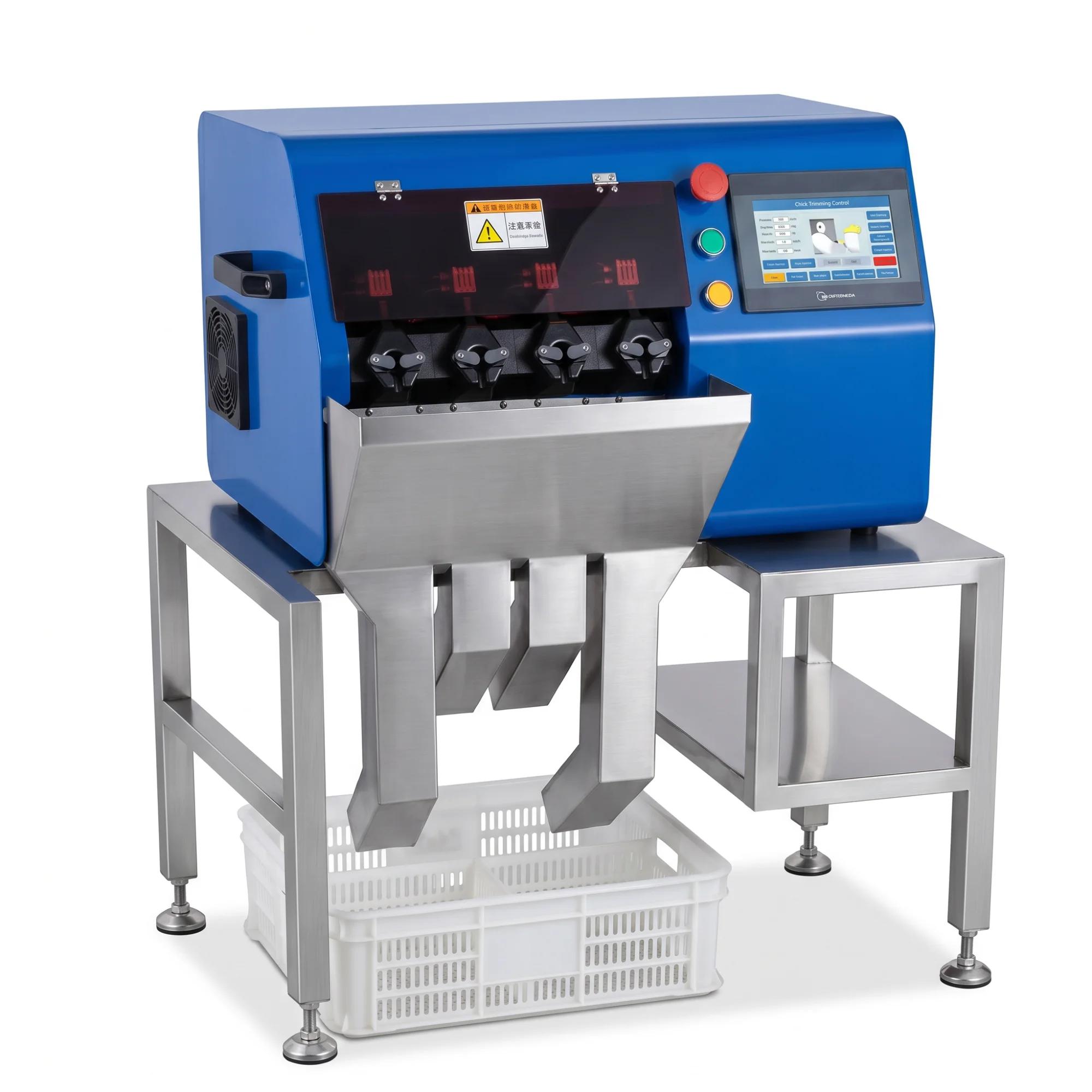
An infrared beak trimming machine price is useful only when the quotation explains what the hatchery will actually receive. Two totals can look comparable while covering different equipment configurations, operator stations, site interfaces, acceptance tests, training, spare parts, and support.
For a buyer, the practical question is not simply, "How much is the machine?" It is, "What project outcome is this price designed to deliver, and which responsibilities remain with us?" Jili Intelligent, the team behind JuliSense, can discuss a configuration around the customer's approved process, room, workflow, and service expectations rather than treating the equipment as an isolated box.
The Price Question Is Really a Scope Question
Before comparing suppliers, write one sentence that describes the intended project. For example: "We need a day-old chick infrared beak treatment station that fits our approved procedure, normal batch pattern, available room, and operator plan."
That sentence creates a common starting point. Without it, one supplier may quote a basic machine, another may include auxiliary items and training, and a third may assume the station will connect to a wider processing line. The lowest number may simply have the narrowest boundary.
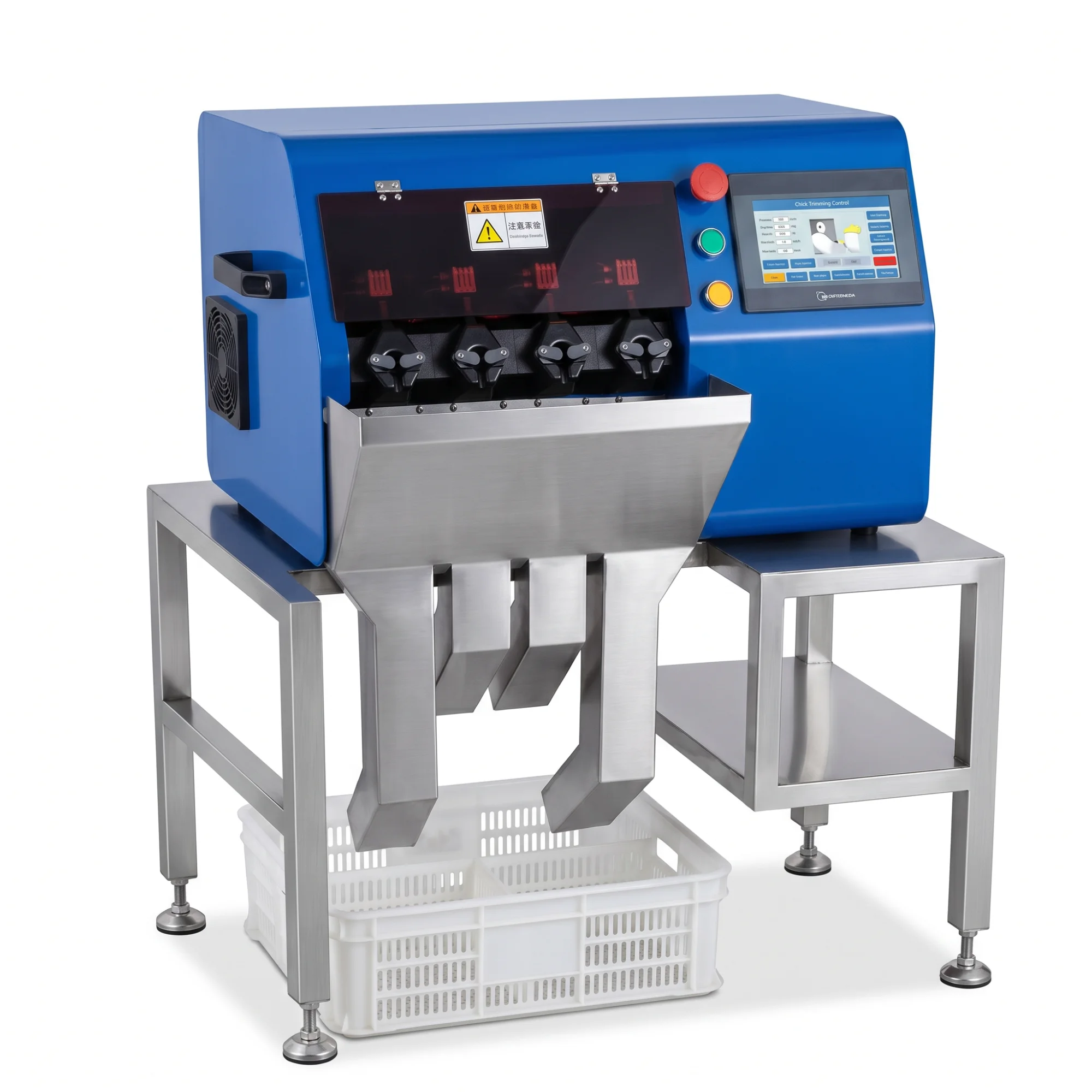
JuliSense presents a dedicated day-old chick infrared beak trimming machine. The product page helps buyers identify the equipment family, but a responsible quotation still needs the customer's bird and batch information, layout, utilities, adjacent equipment, operating roles, and destination.
Five Quote Lines That Usually Change the Total
1. The selected machine configuration
Ask the supplier to name the configuration, operator positions, included controls, standard accessories, and optional items. If a feature appears in a video or image, do not assume it is included. Put it in the commercial schedule.
The infrared beak trimming machine price should also state what is not included. Clear exclusions are useful because they prevent the buyer from discovering missing scope after site preparation has begun.
2. The site interface
Equipment needs a defined place in the room. The quote should identify utility requirements, working clearances, access for cleaning and maintenance, inbound and outbound handling, and any connection to conveyors or other stations.
Machinery safety should be reviewed for the complete installed situation, not only the supplied machine. ISO 12100 provides a widely used framework for machinery risk assessment and risk reduction. The project team should confirm which standards and local requirements apply to the destination.
3. Testing and acceptance evidence
Do not accept a line that says only "tested before shipment." Define what the test demonstrates, who witnesses it, which configuration is tested, how open items are recorded, and what evidence is delivered.
A useful acceptance package may include a configuration record, functional checks, safety checks, alarm or stop observations, cleaning-access review, training documents, photographs, and an open-item list with owners and dates. The exact package should match the project.
4. Training and production handover
Training is not one generic session. Operators, maintenance personnel, sanitation teams, supervisors, and technical owners need different information. The quotation should say which groups are covered, where training occurs, what documents are supplied, and whether follow-up support is included.
JuliSense's service page is the right internal destination for discussing installation, commissioning, training, and support. The final contract should still define the exact service boundary for the selected equipment and country.
5. Spares, support, and lifecycle planning
The purchase does not end when the machine leaves the factory. Ask for the recommended commissioning spares, routine replacement items, lead-time assumptions, remote support route, and escalation contact. Buyers should also clarify software, control backups, documentation language, and any site-service costs.
This is where a slightly higher initial infrared beak trimming machine price may represent a more complete and lower-risk scope. It is also where an apparently complete quote can reveal future costs that were not visible in the headline total.
A Simple Apples-to-Apples Quote Table
Use the same review fields for every infrared beak trimming machine price proposal so that missing scope is visible before commercial comparison begins.
| Review item | Quote A | Quote B | Evidence to request |
|---|---|---|---|
| Machine configuration | Named model and options | General description only | Configuration schedule and marked images |
| Site interface | Utilities and clearances listed | Buyer to confirm later | Layout, utility list, interface drawing |
| Acceptance | Test plan included | "Factory tested" | Written test and open-item process |
| Training | Roles and duration defined | One general session | Agenda, documents, attendance plan |
| Spares and support | Initial list and response route | Not stated | Spare list, service boundary, contacts |
This table does not select the supplier for you. It exposes where each total is strong, weak, or incomplete. Procurement can then compare commercial value without hiding technical gaps.
The Two "Low Quotes" That Often Become Expensive
The first is the equipment-only quote that leaves site integration undefined. Engineering later discovers that utilities, access, guarding, material flow, or adjacent equipment need additional work.
The second is the quote that includes many items but does not define acceptance. The buyer receives equipment, yet the teams disagree about what successful handover means. Time is then spent negotiating evidence that should have been agreed before the order.
Neither situation means a low quote is automatically poor. It means the scope needs to be made visible before the total can be judged.
How to Discuss Welfare and Technical Responsibility
Equipment evaluation must stay separate from biological approval. The hatchery's qualified veterinary or technical owner should approve the procedure, settings, monitoring, and response to exceptions. The supplier should explain how the equipment supports that approved process and what controls, access, and records are available.
The World Organisation for Animal Health Terrestrial Code is a useful starting point for reviewing internationally recognized animal-welfare guidance. Buyers must also follow applicable national rules, customer programs, and professional advice.
What JuliSense Needs for a Meaningful Price
A useful request for infrared beak trimming machine price information should include:
- the approved application and responsible technical owner;
- chick type, normal batch pattern, and working schedule;
- current handling method and operator plan;
- room layout, access limits, and available utilities;
- upstream and downstream equipment;
- required test, documentation, training, and service scope;
- destination country, target schedule, and commercial terms to be discussed.
This information allows Jili Intelligent to respond with assumptions and boundaries. It also gives the buyer a record that can be reviewed by production, engineering, sanitation, maintenance, technical, and procurement teams.
Frequently Asked Questions
Can a supplier give a fixed price without project details?
A budget range may be possible, but a dependable project quote needs configuration, site, workflow, service, destination, and commercial details.
Does the quoted price normally include installation?
Not automatically. Ask whether installation, commissioning, travel, accommodation, local labor, utilities, and site modifications are included or excluded.
Should capacity be the main comparison point?
No. Capacity matters, but buyers should also compare handling, operator rhythm, changeovers, stop recovery, sanitation access, acceptance evidence, and support.
How many supplier quotes should we compare?
The useful number depends on the project, but every supplier should answer the same scope questions. Three incomplete quotes are less useful than two comparable ones.
What is the difference between a budget quote and a final quote?
A budget quote supports early planning. A final quote should be based on confirmed assumptions, selected options, site interfaces, service scope, and commercial terms.
Should spare parts be included in the first order?
Ask the supplier to recommend commissioning and routine spares, then let maintenance and procurement decide what belongs in the first purchase.
How should payment terms be compared?
Compare milestone definitions as well as percentages. Each payment should connect to clear commercial or acceptance evidence.
Can the machine connect to a future automated line?
Potential integration should be discussed before purchase. Confirm physical interfaces, controls, material flow, data needs, and responsibility for future modifications.
What documents should arrive with the equipment?
The contract should list the required manuals, drawings, utility information, parts lists, test records, and training materials, including language and format.
Where can buyers review common JuliSense questions?
The JuliSense FAQ page provides general answers. Project-specific commitments still need to appear in the quotation or contract.
Ask for a Price You Can Defend Internally
The best infrared beak trimming machine price is not necessarily the lowest total. It is the clearest scope that your technical, production, engineering, sanitation, maintenance, and procurement teams can review together.
Send JuliSense your approved process, batch pattern, room layout, utility information, required evidence, destination, and service expectations through the contact page. Ask Jili Intelligent to return a configuration-based quotation with assumptions, inclusions, exclusions, and next decisions.