


infrared beak trimming vs hot blade is an informational and commercial keyword used by buyers comparing treatment methods before selecting hatchery equipment. The buyer wants to understand practical differences in handling, process control, training, and integration with a modern chick-processing workflow.
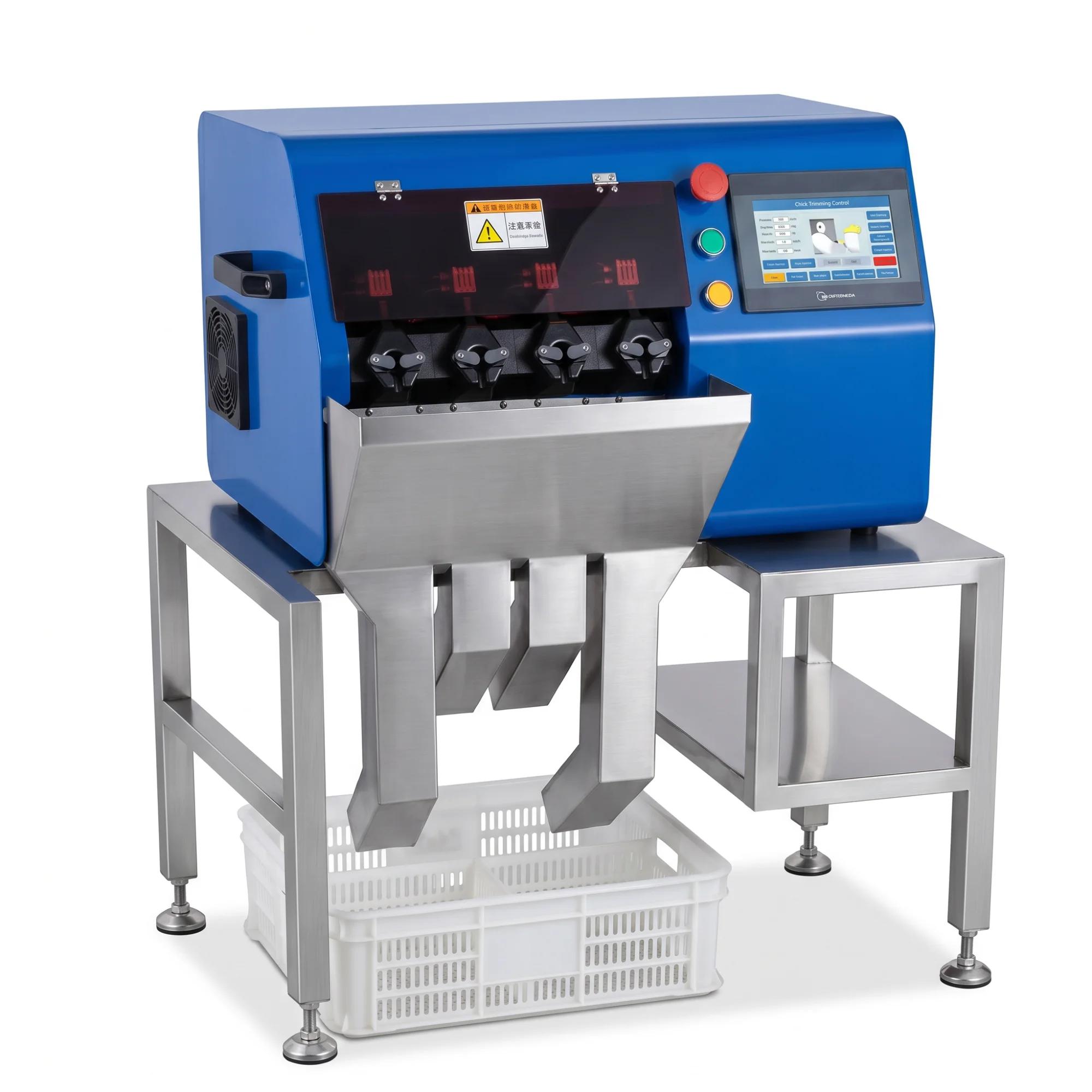
Jili focuses on infrared beak treatment for day-old chicks. Buyers comparing infrared beak trimming vs hot blade can review the Jili Day-Old Chick Infrared Beak Trimming Machine for a dedicated treatment station or the Jili Integrated Beak Trimming and Vaccination Machine when vaccination is part of the same flow.
Search Intent Behind the Comparison
The comparison is rarely academic. Buyers are usually asking which process creates a more stable daily operation, what operators need to check, and whether the equipment can fit into their hatchery layout.
Comparison Factors Buyers Care About
| Factor | Infrared treatment buying question |
| Handling process | How are chicks positioned and inspected during early batches? |
| Operator training | How quickly can operators learn settings and daily checks? |
| Workflow fit | Can the station connect with vaccination, transfer, or conveying equipment? |
| Quality control | How are treatment depth, alarms, and cleaning checked? |
| Quotation detail | What chick type, volume, and layout data does the supplier need? |
When a Dedicated Infrared Unit Fits
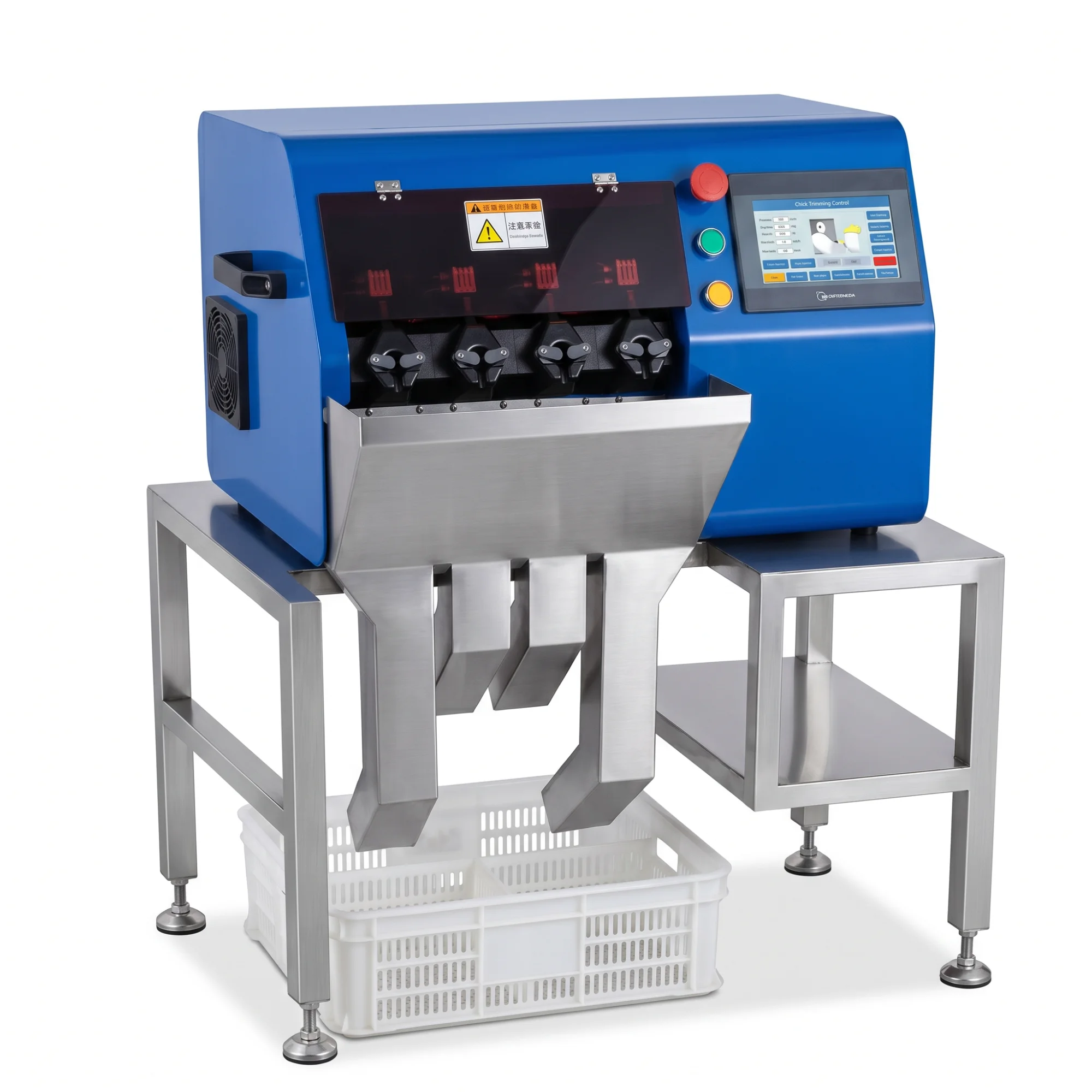
A dedicated infrared unit fits hatcheries that need beak treatment only. The Jili single infrared beak trimming machine lists visual settings, automatic counting, automatic dust blowing, and alarm functions for day-old chicks.
When an Integrated Unit Fits
An integrated unit fits projects where beak treatment and vaccination need to happen in one controlled process. It can reduce repeated handling and make downstream connection easier when the layout supports it.
RFQ Questions for Buyers
- What chick species and age will be processed?
- What hourly output is required?
- Will vaccination happen separately or in the same station?
- How will operators inspect the first production batches?
- What downstream equipment must connect to the station?
Commercial Questions Buyers Often Ask
Before selecting infrared beak trimming vs hot blade, buyers usually want to know how the equipment will affect labor, first-batch inspection, daily cleaning, and long-term maintenance. A useful inquiry should explain whether the hatchery is replacing manual treatment, adding a dedicated infrared station, or preparing a later automation upgrade. These details change the recommendation because a standalone beak treatment unit has a different role from an integrated treatment and vaccination station.
Buyers should also compare the support plan behind the machine. Training, spare parts, alarm handling, cleaning routines, and early production checks all influence whether the equipment performs well after installation. When this information is included in the RFQ, Jili can respond with a more relevant configuration and avoid unnecessary modules.
Decision Points Before Final Selection
For infrared beak trimming vs hot blade, the final decision should focus on chick fit, infrared treatment control, operator training, and first-batch inspection. Buyers should compare how settings are adjusted, how dust is managed, how alarms are handled, and whether the station can remain easy to clean during daily hatchery work. These details help turn a general comparison into a practical RFQ.
FAQ
Why do buyers compare infrared beak trimming vs hot blade?
They want to understand which process fits their hatchery workflow, labor plan, and quality-control needs.
Which Jili product fits beak treatment only?
The Jili infrared beak trimming machine fits dedicated beak treatment projects.
Which Jili product fits treatment plus vaccination?
The Jili integrated beak trimming and vaccination machine fits combined workflow projects.
What RFQ details matter most?
Chick type, volume, layout, operator plan, and vaccination requirements are important.
Is capacity the only comparison point?
No. Handling, training, inspection, cleaning, alarms, and workflow fit also affect the buying decision.