


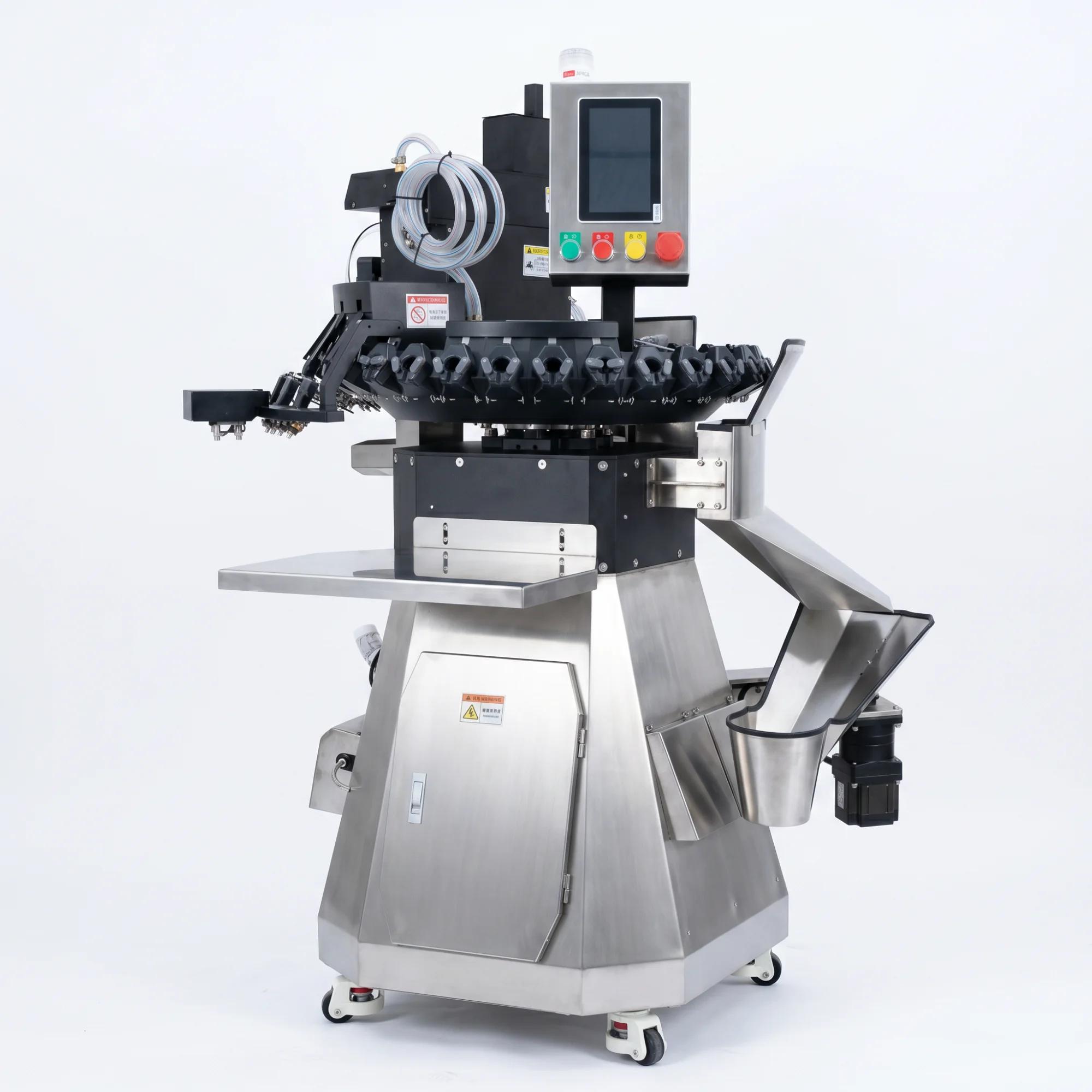
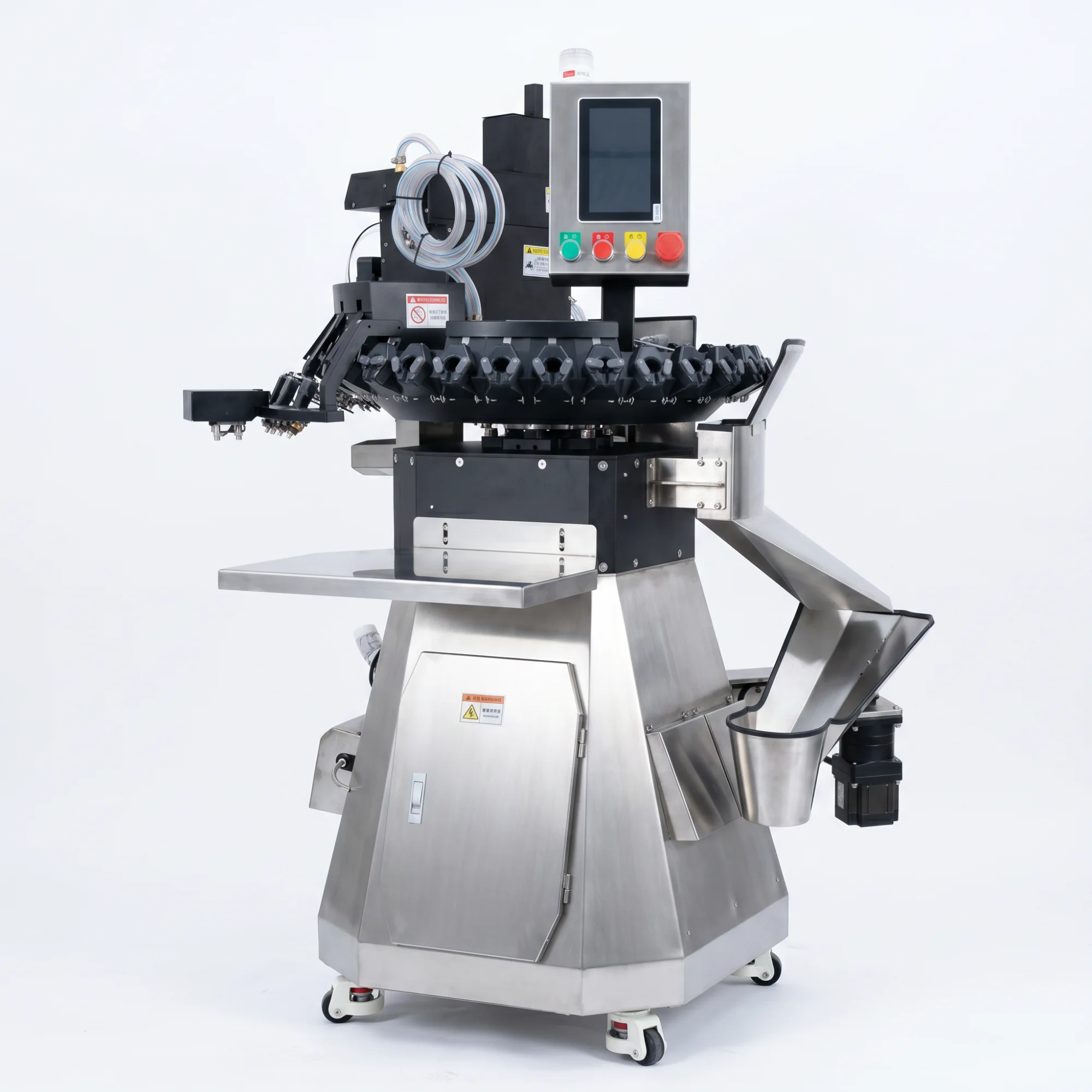
An automated chick beak trimming system should help hatcheries keep beak treatment stable while reducing unnecessary manual variation. In many day-old chick workflows, long-term performance depends on the full process: chick positioning, treatment settings, operator training, alarm response, cleaning access, and downstream movement.
For projects that combine infrared beak treatment with vaccination support, the Jili Day-Old Chick Infrared Beak Trimming and Vaccination Machine is designed for one-day-old yellow-feather chicks, layers, and ducklings. Product material references about 3,800-4,200 chicks per hour, single- or double-needle vaccination support, automatic counting, needle disinfection, vaccine shaking, vaccine flow monitoring, infrared lamp monitoring, and cooling-water monitoring.
Maintenance starts with the workflow
Some hatcheries use a dedicated beak treatment machine. Others use a combined station where beak treatment and vaccination happen in one process. The maintenance routine should follow the equipment type. A combined system needs attention to both infrared treatment and vaccination-related checks.
A practical automated chick beak trimming system should be easy to inspect before production and easy to clean after production. If operators cannot reach key points, daily maintenance becomes inconsistent and performance can decline.
Daily checks for stable operation
- Check visual settings and treatment-related startup conditions.
- Confirm automatic counting and alarm response routines.
- Inspect needle disinfection and vaccine flow when vaccination is included.
- Review cooling-water and infrared lamp monitoring points.
- Keep cleaning access open around the station.
- Inspect the first production batch before increasing speed.
System maintenance table
| Area | What to check |
| Beak treatment | Visual settings, lamp condition, and operator routine |
| Vaccination support | Needle disinfection, vaccine shaking, and vaccine flow monitoring |
| Cooling system | Water pressure and water temperature monitoring |
| Counting | Batch count and production tracking |
| Cleaning | Access to treatment, injection, and contact points |
| Training | Clear alarm response and first-week inspection routine |
Common performance risks
Performance risks often come from unclear responsibilities. One operator may understand treatment settings, while another may focus only on throughput. A good maintenance routine makes both quality checks and production rhythm visible. This is especially important when a station combines more than one process.
Buyers should ask how the supplier trains operators to respond to alarms, monitor vaccine flow, and maintain cleaning points. These questions are directly connected to long-term reliability.
When a dedicated machine is enough
If the hatchery does not need vaccination in the same station, the Jili Day-Old Chick Infrared Beak Trimming Machine may be the more focused option. If vaccination is part of the same workflow, the integrated machine is the better match.
The right automated chick beak trimming system should match the hatchery’s actual process. Choosing a broader system when only beak treatment is needed can add complexity. Choosing a dedicated unit when integration is required can create extra handoffs.
How to prepare a useful inquiry
Send chick type, target output, current process, whether vaccination is needed, room layout, operator plan, and downstream equipment needs. This helps Jili recommend the right system and avoid product mismatch.
How to keep the system useful as volume grows
As production volume grows, small workflow issues become more visible. Buyers should confirm whether the system leaves enough room for operators, cleaning, downstream movement, and later upgrades. A station that is difficult to access may run well at first but become harder to manage during peak periods.
Before ordering, the hatchery should share the expected growth plan with Jili. This helps the recommendation account for present capacity and future connection with conveying, stacking, or other processing modules.
FAQ
What is an automated chick beak trimming system?
It is a hatchery system that supports controlled beak treatment, and in some configurations can connect with vaccination or downstream handling.
What capacity is referenced for the integrated Jili unit?
Jili material references about 3,800-4,200 chicks per hour for the integrated beak trimming and vaccination machine.
What maintenance points matter most?
Visual settings, counting, alarm response, cleaning access, lamp monitoring, cooling-water checks, and vaccination-related checks all matter.
When is the dedicated beak trimming machine better?
It is better when the hatchery only needs infrared beak treatment and does not need vaccination in the same station.
What should buyers include in an RFQ?
Include chick type, hourly output, process goal, layout, operator plan, vaccination requirement, and downstream connection needs.