


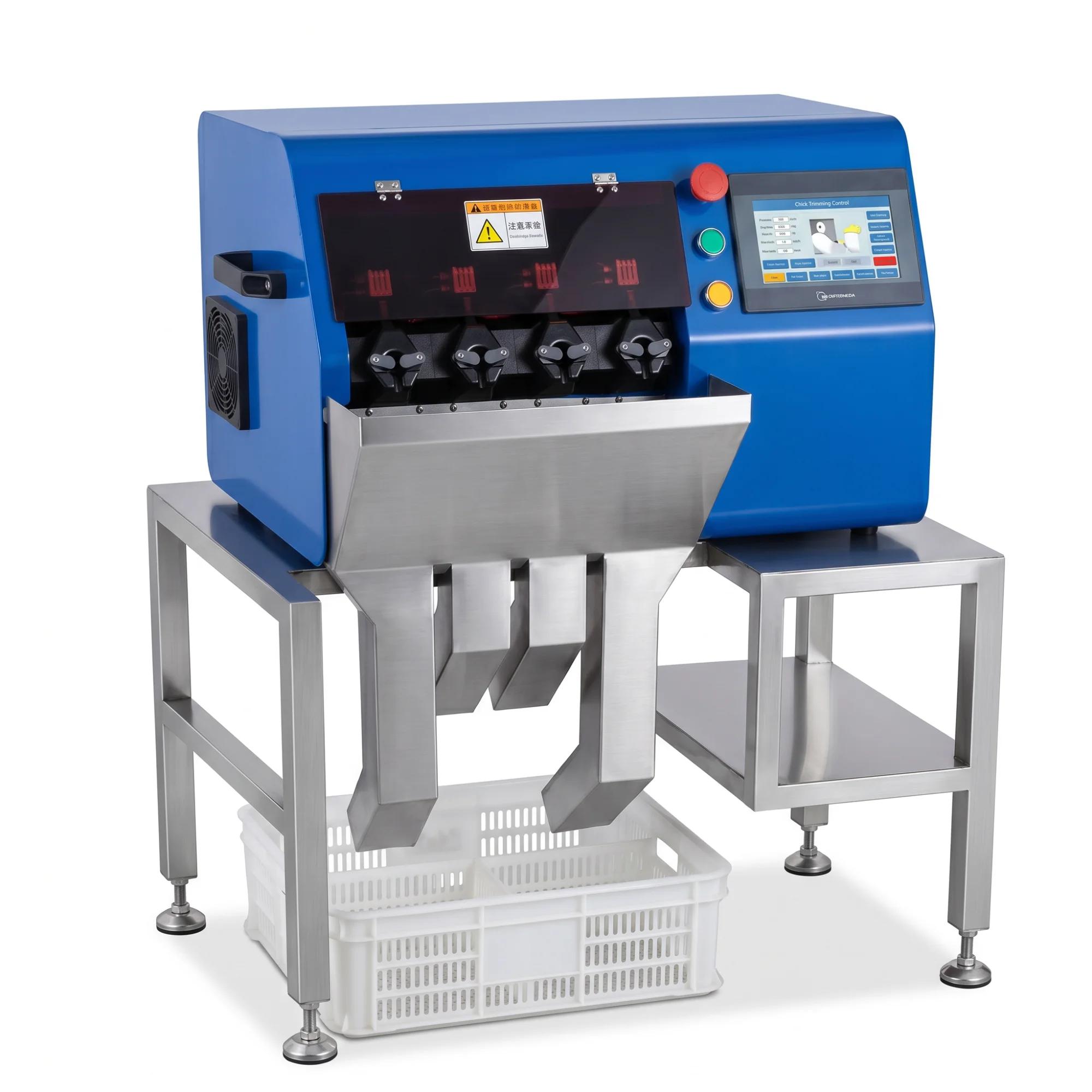
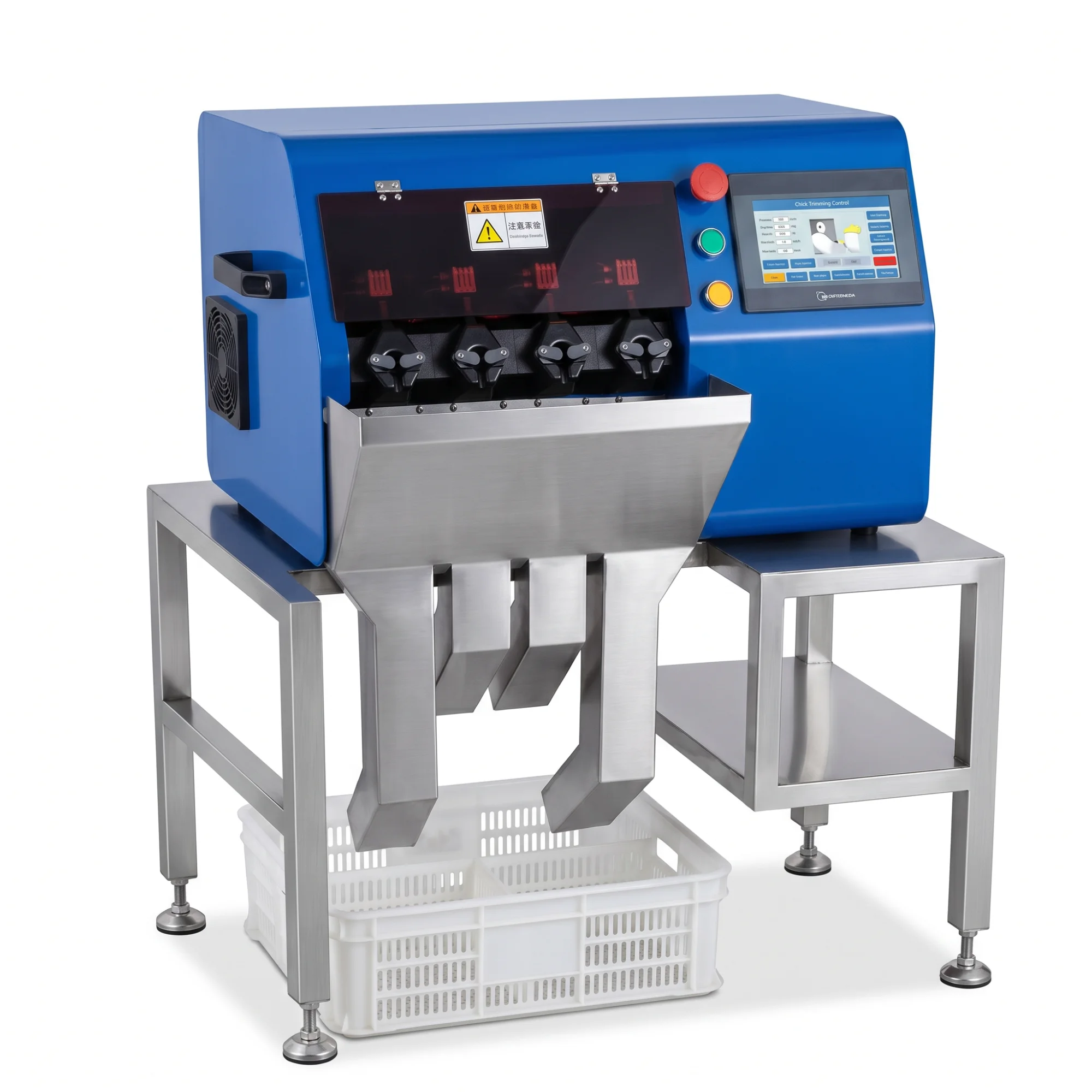
For hatcheries processing day-old chicks every day, an automatic beak trimming machine is part of production stability, labor planning, and quality control. When beak treatment equipment is not checked or cleaned consistently, problems usually appear as unstable station rhythm, more operator adjustments, and avoidable downtime during peak hatching periods.
Jili's Day-Old Chick Infrared Beak Trimming Machine is designed for one-day-old yellow-feather chicks, layers, and ducklings. Product material lists visual window settings, automatic counting, automatic dust blowing, alarm functions, about 3,200-3,800 chicks per hour, one operator, and about 500 W power. These details make it relevant for hatcheries that need a focused infrared beak treatment station.
Why maintenance matters for hatchery output
Many buyers compare capacity first, but long-term output depends on maintenance discipline. A machine can run well during installation and still lose stability later if dust, worn parts, cleaning habits, or operator routines are ignored. The goal is to keep the process repeatable across shifts.
A well-maintained automatic beak trimming machine helps operators keep settings, counting, and inspection routines clear. This reduces production variation and makes training easier when staff changes or peak production pressure increases.
Daily checks before production
- Confirm the machine and work area are clean before starting.
- Check visual settings before processing chicks.
- Reset automatic counting before each shift or batch.
- Check dust blowing and make sure operators know alarm responses.
- Keep cleaning and inspection access open around the station.
- Review the first batch before running at full production speed.
Maintenance points buyers should compare
| Maintenance area | What to check |
| Visual settings | Repeatable setup before production |
| Counting | Batch count, daily count, and operator tracking |
| Dust control | Dust blowing condition and cleaning routine |
| Alarms | Operator response when abnormal conditions appear |
| Access | Space for cleaning, inspection, and maintenance |
| Training | Consistent routine across shifts |
Common signs of poor maintenance
Poor maintenance does not always appear as a complete machine failure. Hatcheries may first see slower operation, more manual correction, unstable treatment rhythm, or more frequent stoppages. These signs reduce the value of automation because the team still spends time managing avoidable process variation.
A practical maintenance plan should be agreed before purchase. Buyers should ask what operators must inspect daily, what parts need routine attention, and which spare parts should be kept on site.
When an integrated solution is better
If the hatchery only needs infrared beak treatment, a dedicated unit is usually the direct match. If vaccination must happen in the same workflow, buyers can compare the Jili Day-Old Chick Infrared Beak Trimming and Vaccination Machine as an integrated option.
The right choice depends on the actual process. A focused automatic beak trimming machine can be enough when vaccination is handled separately. A combined machine is more suitable when the hatchery wants fewer handoffs between treatment and vaccination.
What to send before asking for a quote
Prepare chick type, daily volume, peak hourly output, current beak treatment method, room layout, operator arrangement, and any current problems such as unstable manual work or difficult counting. This helps Jili recommend a practical setup instead of a generic model.
How buyers can reduce downtime risk
Downtime risk is lower when the hatchery defines who checks the machine, when cleaning is performed, and how operators report abnormal operation. Buyers should ask Jili about startup training, spare parts, and the inspection routine used during the first production week. This makes maintenance part of the project plan rather than an afterthought.
For multi-shift hatcheries, it is also useful to standardize the handover between operators. A short checklist for settings, counts, alarms, and cleaning helps the next shift continue with fewer interruptions.
FAQ
How often should an automatic beak trimming machine be checked?
It should be checked before production starts each day, especially settings, counting, dust blowing, alarms, and cleaning points.
What capacity can buyers use for planning?
Jili material references about 3,200-3,800 chicks per hour for the dedicated infrared beak trimming machine.
What chicks can the machine handle?
Jili material mentions one-day-old yellow-feather chicks, layers, and ducklings.
When should buyers choose the integrated machine?
Choose the integrated machine when beak treatment and vaccination need to happen in one connected workflow.
What information helps quotation accuracy?
Chick type, target output, room layout, operator plan, current workflow, and future connection needs are useful.