


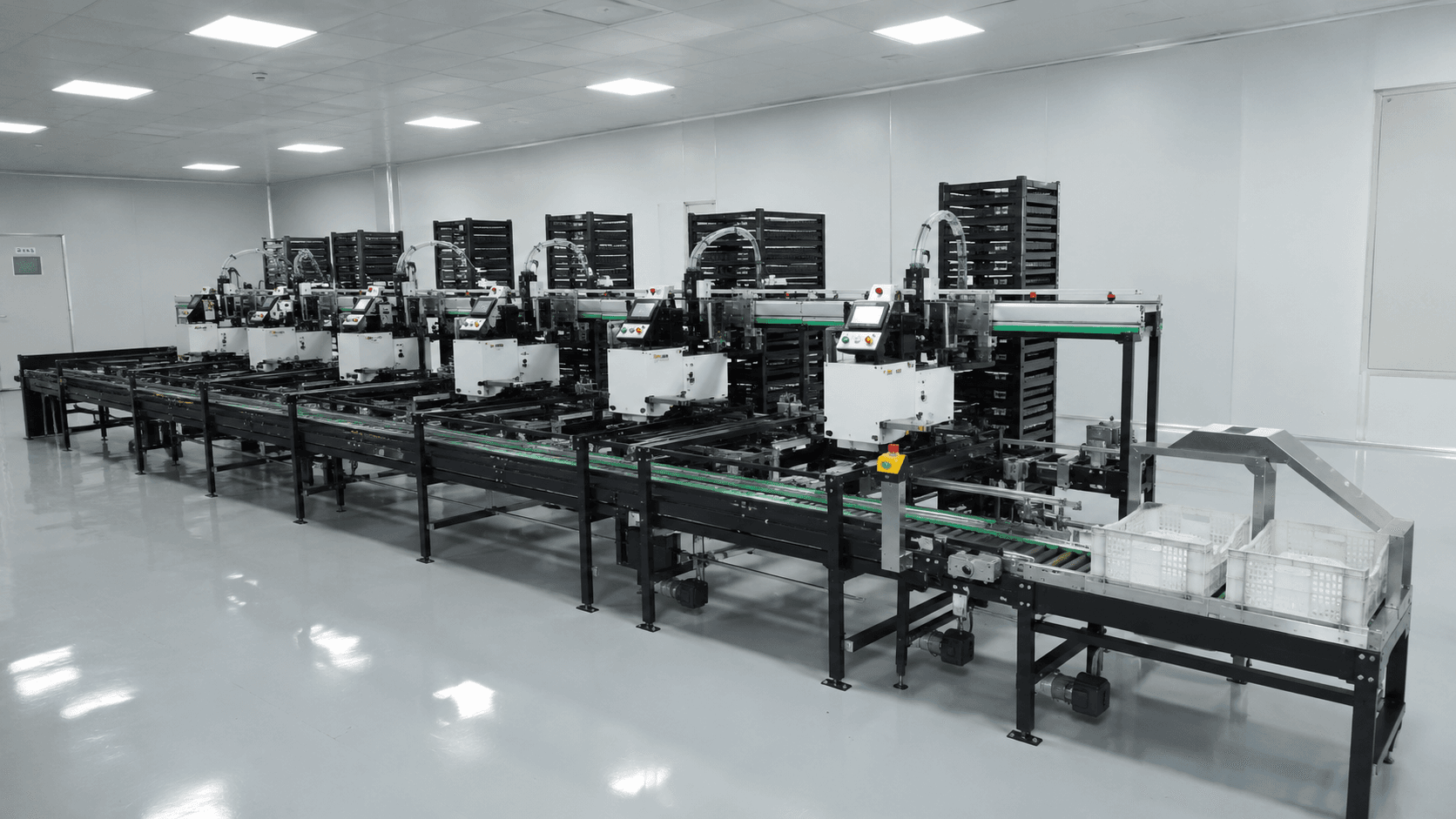
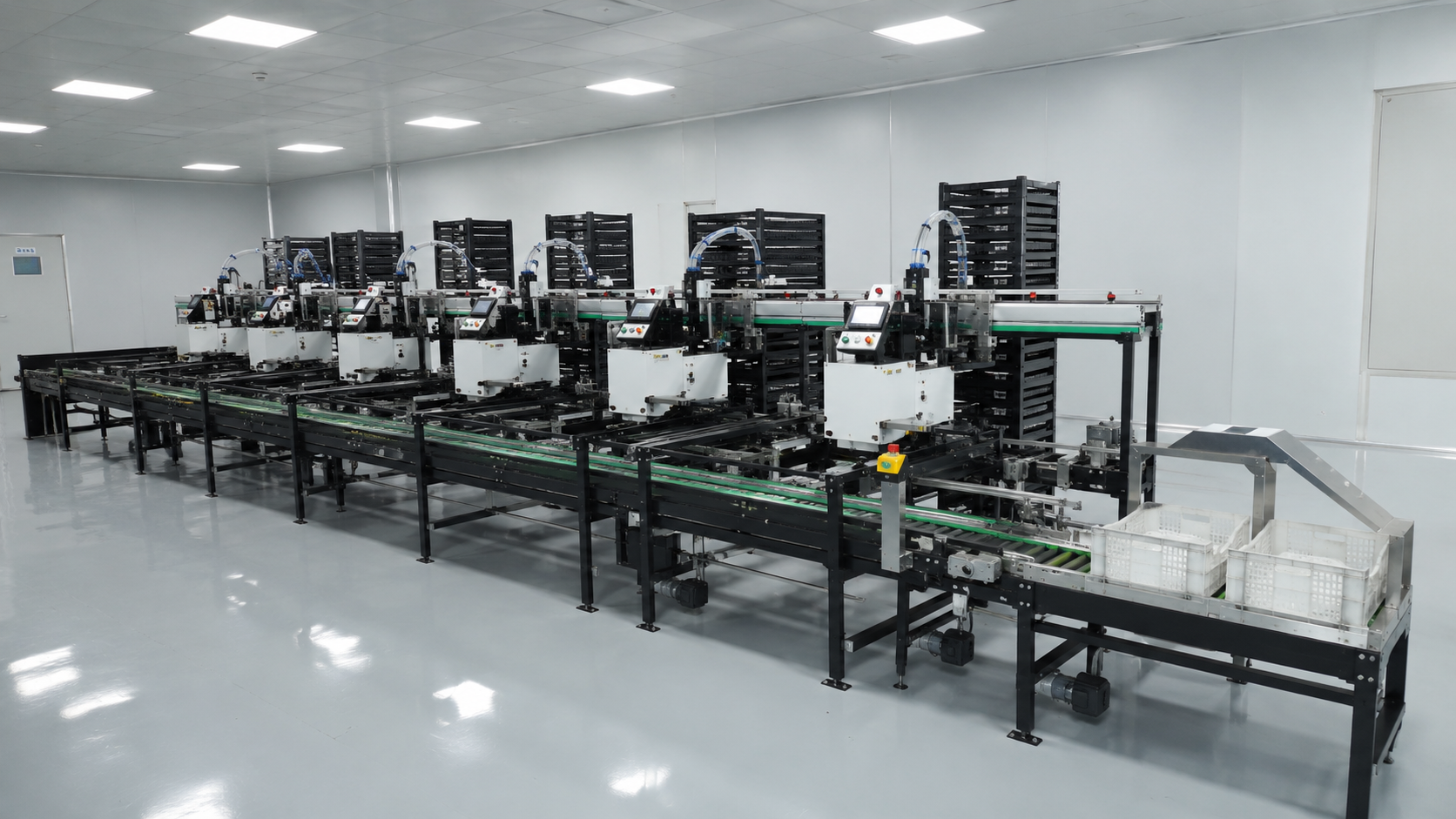
Chick processing equipment performs best when the hatchery treats maintenance as part of daily workflow, not only as a repair task. Transfer, vaccination, beak treatment, conveying, and downstream handling each need routine checks to keep output stable.
Jili equipment modules include the Day-Old Chick Picking and Transfer Machine, Infrared Beak Trimming and Vaccination Machine, Day-Old Chick Injection Vaccinator, and Conveying and Stacking Line. Each module has its own operating routine, but the maintenance goal is the same: reduce stoppages and keep chick flow predictable.
Why maintenance affects the entire line
A small issue at one station can affect every station after it. Uneven transfer can slow beak treatment. Poor injection preparation can create rework. Limited cleaning access can increase downtime. Hatcheries get better results when each process has a clear inspection routine.
Reliable chick processing equipment needs trained operators, visible checks, cleaning access, and spare-part planning. These points protect long-term value after installation.
Daily checks by process area
- Transfer equipment: basket flow, shell route, and operator access.
- Vaccination equipment: air pressure, dose calibration, needle setup, and tubing flow.
- Beak treatment equipment: visual settings, counting, dust blowing, and alarm response.
- Conveying equipment: line rhythm, handoff points, and cleaning access.
- Crate or downstream handling: return flow, storage, and maintenance space.
- Operators: startup routine, first-batch inspection, and shift handover.
Maintenance planning table
| Equipment area | Maintenance focus |
| Transfer | Basket handling, shell flow, cleaning, and inspection access |
| Vaccination | Dose, needle setup, air pressure, tubing, and consumables |
| Beak treatment | Visual settings, counting, dust blowing, and alarms |
| Conveying | Handoff points, line rhythm, and operator access |
| Automation line | Module connection, layout, and future expansion space |
| Support | Training, spare parts, and troubleshooting process |
How to keep maintenance practical
Buyers should ask how operators will inspect each machine before production and what tasks are performed after the shift. A routine that is too complicated may not be followed consistently. The better approach is a clear checklist for the few items that affect production most.
When planning chick processing equipment, buyers can ask Jili which modules need daily checks and which parts are useful to keep on site. This helps prevent small maintenance issues from becoming production stoppages.
How to prepare for service support
Send equipment list, current bottlenecks, daily volume, operator skill level, and any recurring maintenance problems. This allows Jili to advise around the actual line rather than a single isolated machine.
How to organize support after installation
After installation, the hatchery should keep a simple record of daily checks, operator comments, spare-part use, and any repeated stoppages. These records help the team identify whether a problem comes from operation, layout, consumables, or equipment adjustment. They also make supplier support more efficient.
Buyers can ask Jili which checks are required before production, which parts need routine replacement, and what information to send when requesting service. This turns maintenance into a predictable routine instead of a reactive repair process.
Questions to include in the next inquiry
When asking for support or planning a new project, buyers should describe the current equipment modules, daily chick volume, operator routine, and any recurring problem. Photos or short videos help Jili understand whether the issue comes from machine adjustment, layout, cleaning access, or a process handoff. This makes support more specific and helps future upgrades fit the existing line.
FAQ
What is chick processing equipment?
It can include transfer, vaccination, beak treatment, conveying, stacking, or other modules used in day-old chick handling.
Why does maintenance matter?
Maintenance keeps station output stable and prevents one process from slowing the rest of the line.
What should be checked daily?
Check transfer flow, dose control, visual settings, alarms, cleaning access, line handoffs, and first-batch results.
Can equipment be maintained by operators?
Daily checks are usually handled by trained operators, while deeper service tasks depend on the machine and supplier guidance.
What information helps Jili provide support?
Send equipment modules, daily volume, layout, operator routine, and current maintenance issues.