


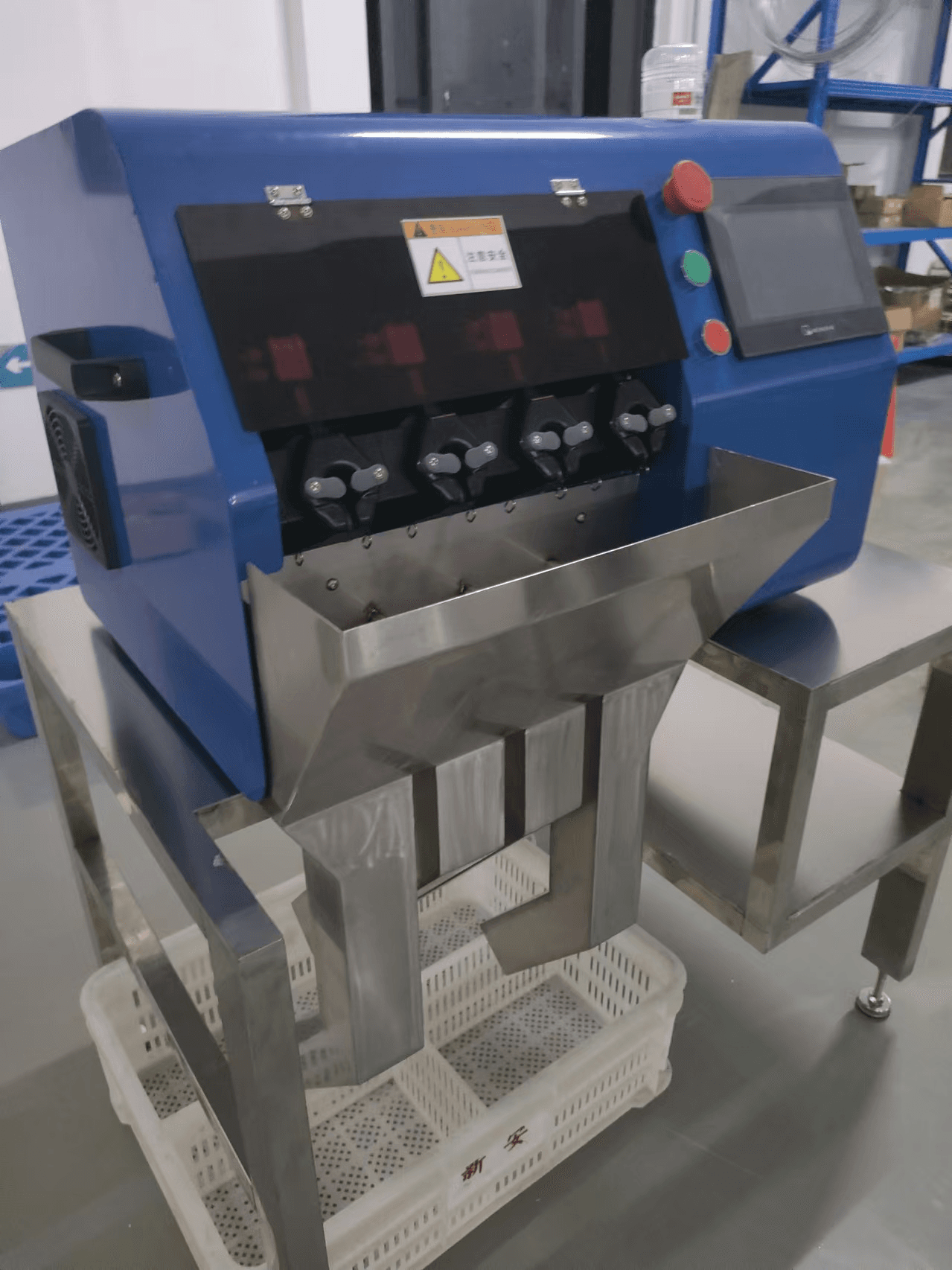
A poultry beak trimming machine factory test should leave more than a memory of equipment running. When the customer team returns home, it should have six useful artifacts: an approved configuration record, a representative run record, an operator observation sheet, a controlled-stop record, a cleaning and access map, and an open-item register.
Pin those six items to one evidence wall during the visit. The wall keeps welfare, production, engineering, maintenance, quality, and procurement focused on the same ordered machine rather than on separate impressions.
Artifact One: The Machine That Was Actually Tested
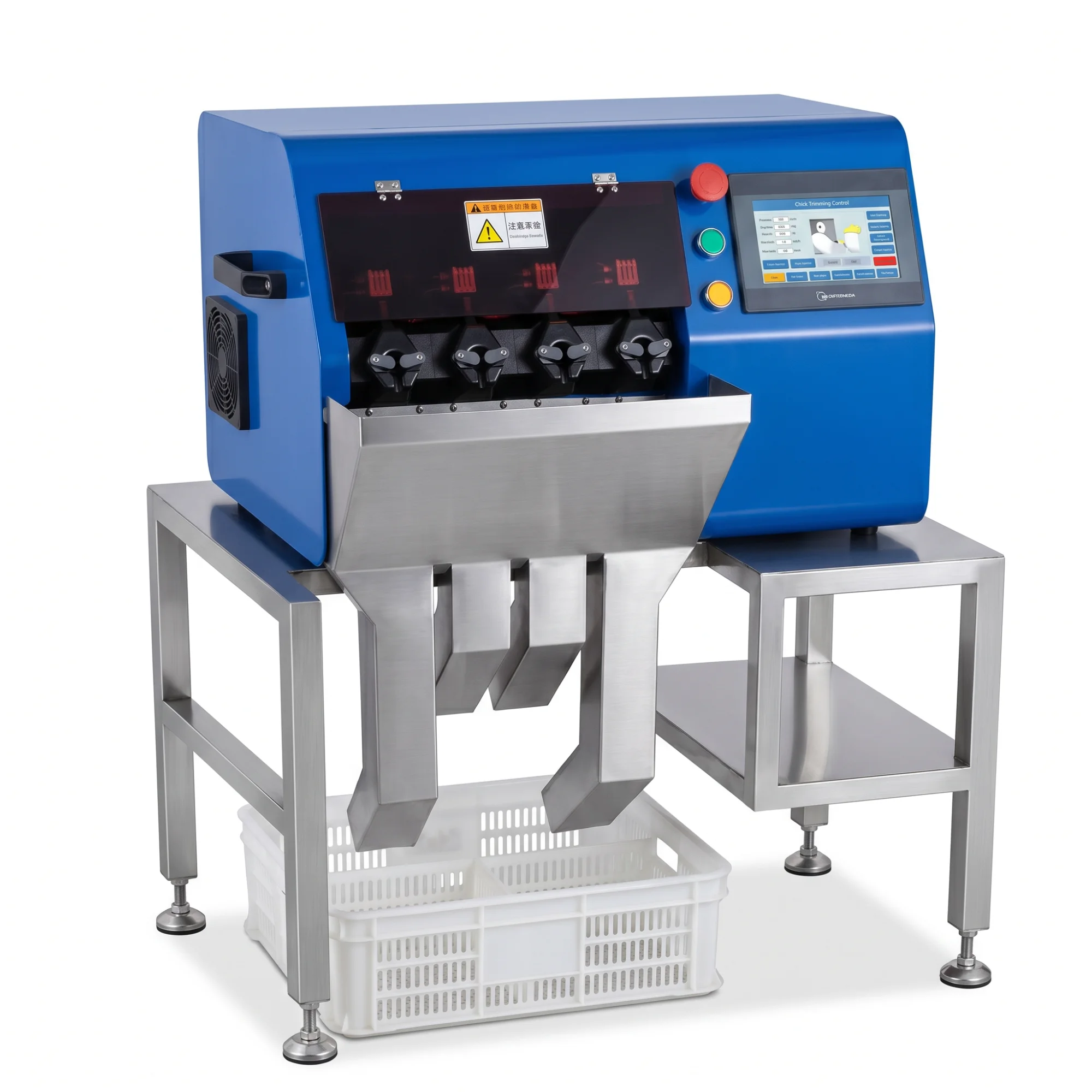
The first sheet identifies the machine, configuration, controls, accessories, guarding, interfaces, software or parameter record where applicable, and any customer-supplied items. It also notes what is temporary for the test and what will ship.
This gives the poultry beak trimming machine factory test a fixed reference before anyone interprets the run.
Jili Intelligent presents day-old chick infrared beak trimming equipment through JuliSense. Exact capability and configuration should be confirmed in the quotation, drawings, and test plan for the project.
Match the test sheet to the purchase scope
Place the ordered equipment list beside the test configuration. Highlight substitutions, missing accessories, temporary connections, and items that will be completed later. A successful run on a different arrangement is useful only when the difference is understood.
Record customer inputs
List the chick type or application context, approved process ownership, test materials, containers, supplies, staffing, and surrounding interfaces provided for the test. These conditions affect what the evidence can support.
Artifact Two: A Representative Run, Not a Show Run
The second sheet describes how the equipment behaved under agreed representative conditions. It should include startup, ordinary flow, one normal variation, a planned pause, and the end of a batch or run.
During a poultry beak trimming machine factory test, the customer's qualified welfare or veterinary owners remain responsible for approving the applicable criteria and observations. The supplier demonstrates machine behavior within the agreed scope.
Define the run before starting it
Agree the duration, representative inputs, operator roles, approved settings, observation points, recording method, and stop conditions. This prevents the test from changing whenever an uncomfortable result appears.
Keep exceptions in the record
Do not erase small waits, corrections, alarms, or handling questions from the story. Classify them. Some will be normal, some will require clarification, and some may become open items.
Artifact Three: What the Operator Had to Do
The third sheet follows the operator's hands, eyes, and walking path. Record preparation, presentation, routine checks, adjustments permitted by the plan, replenishment, exception handling, and communication with other roles.
The World Organisation for Animal Health Terrestrial Code provides internationally recognized animal-health and welfare references. The actual process must follow the customer's qualified decisions and destination requirements.
Count hidden work
Output can look stable because an experienced person quietly corrects input variation. Count repeated touches, re-presentation, waiting, trips for supplies, and requests for technician help.
Let a customer operator explain the state
After training, ask an authorized customer operator to describe what the machine is doing, which action is permitted, and when escalation is required. Plain language is stronger evidence than silent observation.
Build the Poultry Beak Trimming Machine Factory Test Evidence Wall
Use one line for each artifact and one owner for closing it:
| Evidence artifact | What it should answer |
|---|---|
| Configuration record | Was the ordered machine and scope represented? |
| Representative run | What happened under agreed operating conditions? |
| Operator observation | Which visible and hidden tasks were required? |
| Controlled-stop record | Was current work protected and recovery understood? |
| Cleaning/access map | Can authorized teams inspect, clean, and maintain it? |
| Open-item register | What remains, who owns it, and what proves closure? |
The wall is not the acceptance contract by itself. It is a practical way to keep the evidence connected to the agreed criteria and the people authorized to decide.
Use photographs with labels
Where photography is permitted, label the machine state, observation, date, test reference, and relevant scope line. An unlabeled image is difficult to use months later.
Separate facts from interpretations
Write what was observed first. Put decisions, causes, and required actions in separate fields. This reduces arguments based on memory.
Artifact Four: The Controlled-Stop Story
Normal movement does not show how the system protects current work during an ordinary interruption. Choose a planned, safe pause allowed by the test plan and risk assessment. Record the signal, positions, operator information, permitted actions, escalation, checks, and restart authority.
For machinery risk assessment and risk reduction, ISO 12100 provides a general framework. Apply relevant requirements to the final machine, people, interfaces, and destination.
Freeze the moment before recovery
Before anyone resets the equipment, note where current work is, what the operator can see, which condition caused the pause, and who owns the decision.
Repeat the explanation from two roles
Ask the operator and supervisor to explain the same event. If their answers differ, the poultry beak trimming machine factory test has found a training, status, or authority gap worth closing.
Artifact Five: The Cleaning and Access Map
The fifth sheet is made after the run. Sanitation and maintenance should walk around the machine together and mark visibility, reach, removable parts, collection areas, service positions, guarding boundaries, tools, reassembly, and release responsibilities.
JuliSense describes design, commissioning, training, and after-sales discussions on its service page. Project-specific commitments should appear in the commercial scope.
Look beyond removable covers
Review what can be seen and reached during routine inspection, what requires a technical procedure, and what cannot be accessed until another component or adjacent equipment is moved.
Define release after reassembly
Name who confirms parts, guards, cleanliness, inspection status, and readiness before the next approved production start.
Artifact Six: The Open-Item Register
Not every factory visit ends with every detail closed. A useful register states the observation, scope reference, impact, owner, due date, required evidence, and closure authority.
Rank by consequence
Separate items that prevent shipment or operation from documentation issues, later site actions, optional improvements, and customer information still required.
Do not close by email wording alone
Closure should use the evidence agreed for the item: a revised drawing, photograph, video, repeat test, document, shipment record, or authorized confirmation.
Ten Questions for the Factory Visit
Is the tested configuration the ordered configuration?
Compare equipment, controls, accessories, interfaces, and temporary test arrangements with the approved scope.
Who approves welfare observations?
The customer's qualified welfare or veterinary owners should approve the applicable criteria and evidence.
Are test conditions representative?
Agree inputs, duration, operators, settings, variations, and surrounding conditions before the run.
What hidden operator work occurred?
Record repeated corrections, touches, waiting, walking, supply handling, and technician intervention.
Which pause will be demonstrated?
Choose a safe, controlled scenario permitted by the test plan, instructions, and risk assessment.
What must be checked before restart?
Define machine state, current work, access, settings, guarding, and authorization checks.
Can sanitation inspect the required areas?
Review visibility, removal, reach, tools, collection points, reassembly, and release.
What travels with the machine?
List documents, drawings, configuration records, parts information, test evidence, training material, and included spares.
How are open items closed?
Give each item an owner, date, evidence requirement, impact, and authorized closer.
How can buyers prepare a JuliSense factory test?
Send the application context, ordered scope, representative conditions, observer roles, interfaces, and acceptance questions through the JuliSense contact page.
The Evidence Wall Should Outlive the Visit
A poultry beak trimming machine factory test is valuable when its evidence still makes sense after the team leaves the factory. Six connected artifacts show what was tested, how it ran, what people did, how a stop was handled, whether access works, and what remains open.
JuliSense can use the evidence wall to organize a focused customer visit. The goal is not a perfect demonstration. It is an understandable record that supports shipment, site commissioning, training, and the final project decision.