


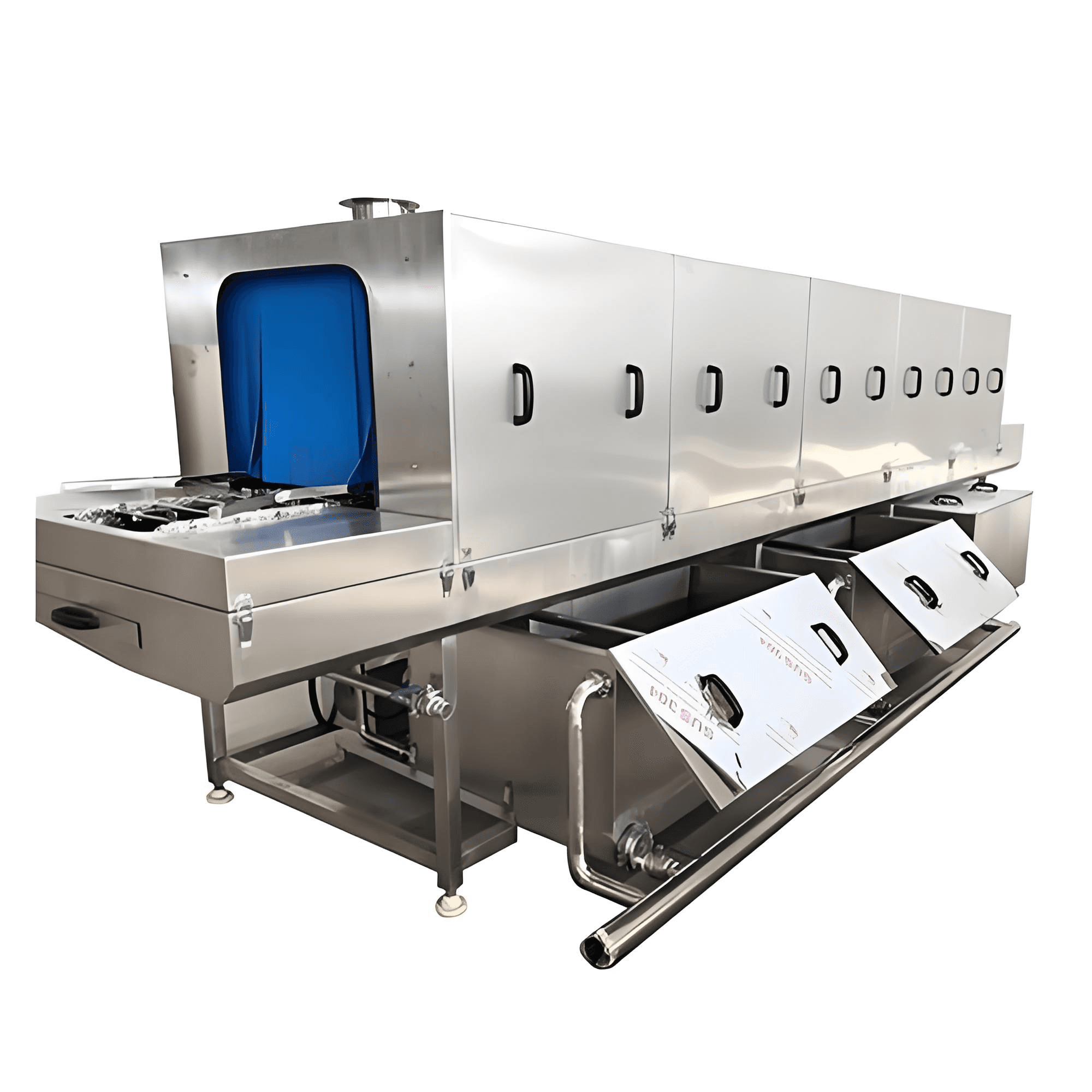
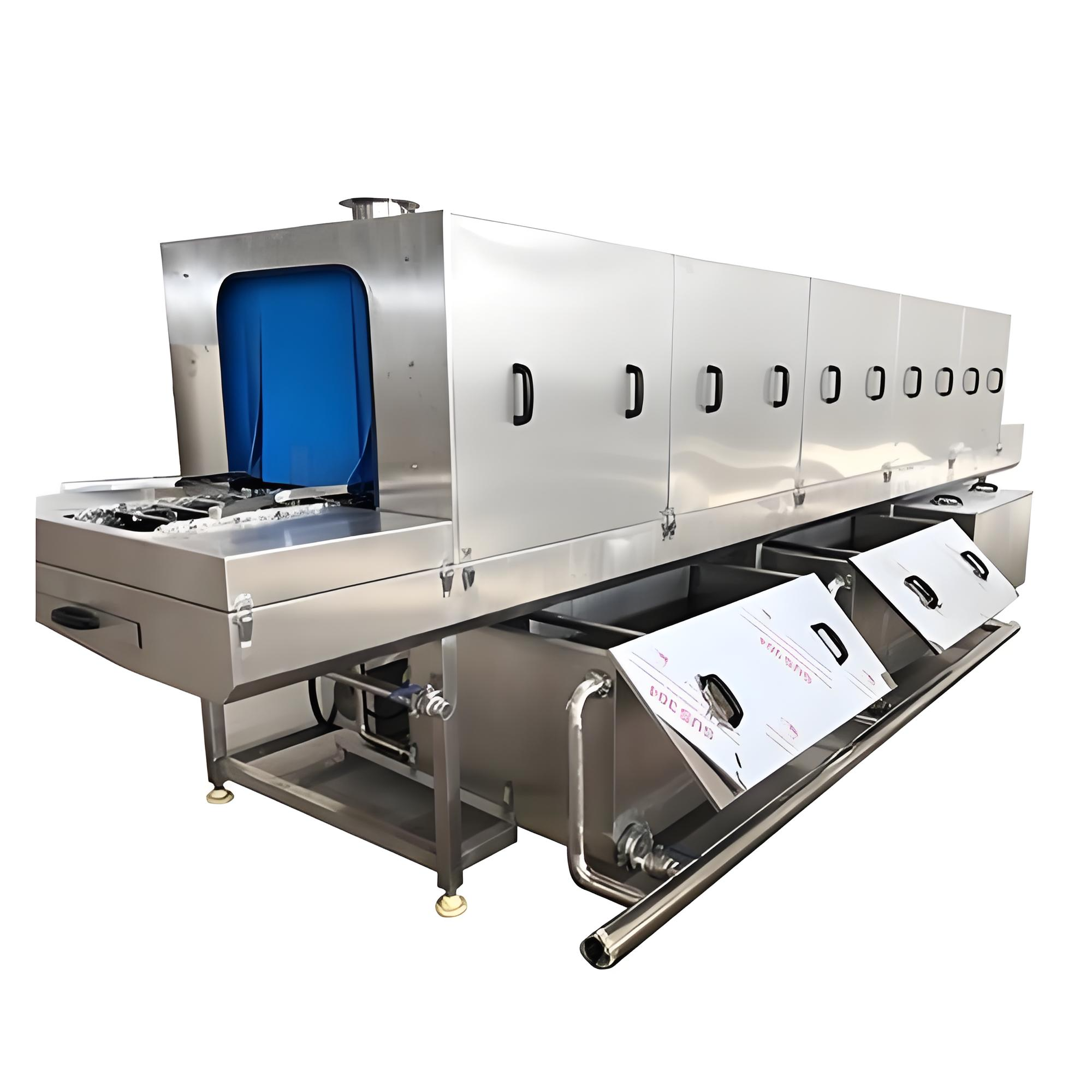
poultry crate washer is searched by buyers who need a cleaner and more predictable return-crate workflow. The buying decision is usually about crate size, soil level, washing stages, water and drainage conditions, loading method, unloading method, and how quickly clean crates can return to use.
Jili offers the Automatic Continuous Crate Washer and the Poultry Crate Washing System with Inverting and Liner Placement. The best option depends on whether the project needs a focused washer or a connected washing and handling system.
Search Intent Behind poultry crate washer
Buyers using this keyword are comparing hygiene workflow and operational fit. They need practical guidance on crate data, throughput, utilities, maintenance access, and whether a continuous washer is enough for the site.
Where the Equipment Fits
The washer or washing system belongs in the return-crate loop, where dirty crates are loaded, washed, discharged, and prepared for reuse. The layout should support cleaning results and daily operator access.
RFQ Data Buyers Should Prepare
| RFQ item | Information to send |
| Crate details | Photos, dimensions, weight, material |
| Soil level | Residue type and pre-rinse requirement |
| Throughput | Hourly return volume and shift schedule |
| Utilities | Water, drainage, heating, power |
| Handling flow | Loading, unloading, drying, storage, liner placement if needed |
Buyer Selection Checklist
- Confirm whether a continuous washer or connected system is required.
- Check nozzle access, filter cleaning, and maintenance space.
- Confirm drainage and water management before layout approval.
- Plan how clean crates move after washing.
- Compare washer output with the real return-crate rhythm.
Internal Product Links
For a focused washing project, review the Jili Automatic Continuous Crate Washer. For a larger connected workflow, review the Jili Poultry Crate Washing System.
Commercial Questions Buyers Often Ask
When buyers compare poultry crate washer, they usually need to know whether a focused washer is enough or whether the site needs a connected crate washing system. The answer depends on crate dimensions, soil level, return volume, water and drainage conditions, loading method, unloading method, and how clean crates return to production.
A useful inquiry should include crate photos, measured dimensions, hourly target, residue type, available utilities, and floor layout. These details help Jili discuss washing stages, maintenance access, nozzle and filter cleaning, and whether inverting or liner placement should be included in the project.
Decision Points Before Final Selection
For poultry crate washer, the final decision should balance hygiene goals with the return-crate rhythm. Buyers should compare washing stages, crate loading, discharge direction, nozzle access, filter cleaning, drainage, and available maintenance space. A useful quotation depends on real crate photos and dimensions, because crate shape and soil condition can change the washer configuration.
Before final approval, compare poultry crate washer against the site’s real labor plan, cleaning routine, available utilities, and future expansion needs so the selected Jili solution supports both current workflow and later growth.
FAQ
What information should buyers send first?
Send crate photos, dimensions, soil condition, target throughput, and available utilities.
When is a full crate washing system useful?
It is useful when washing must connect with inverting, liner placement, or additional handling sections.
What affects washer size?
Crate dimensions, soil level, wash stages, return volume, and available floor space affect selection.
What should operators inspect daily?
Nozzles, filters, wash zones, drainage, and crate discharge quality should be checked.
Which Jili product pages match this keyword?
Use the automatic continuous crate washer and poultry crate washing system pages.