

A poultry hatchery equipment OEM partnership should be more than a logo on a machine. The buyer needs to know who owns the design, how the equipment connects to an existing line, which quality records are shared, how factory testing works, and what support remains available after delivery.
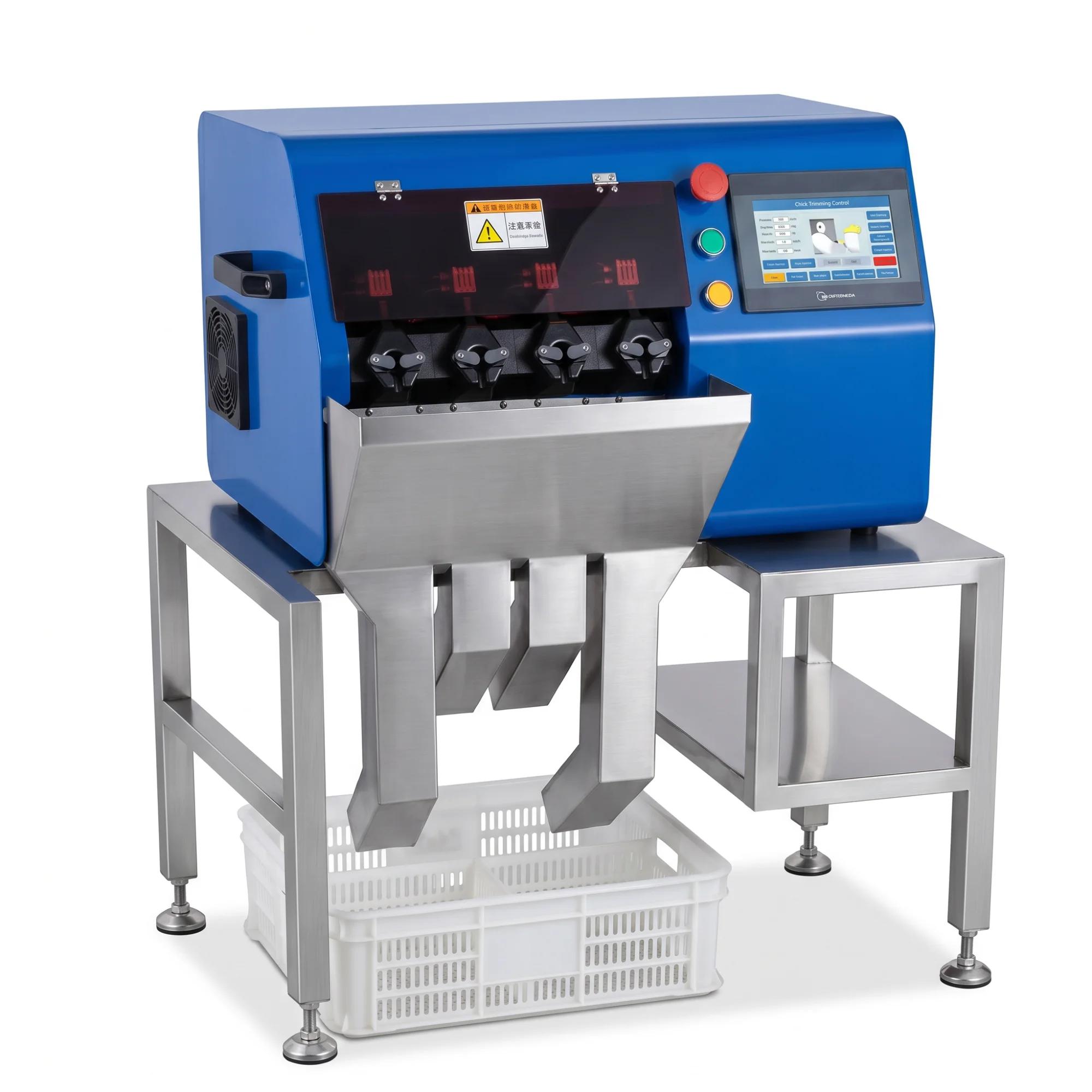
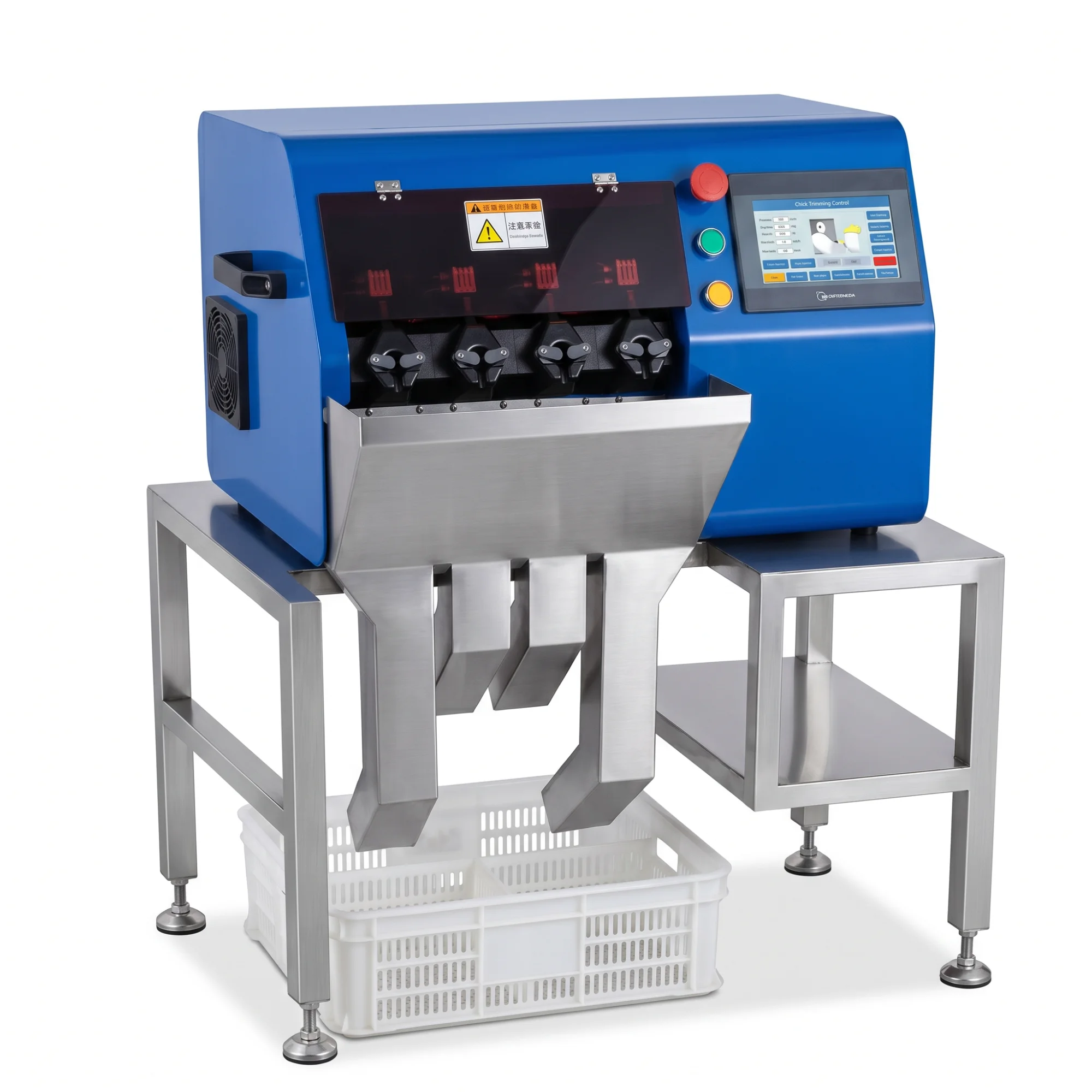
JuliSense and Jili Intelligent work with hatchery automation equipment covering chick handling, infrared beak trimming, vaccination, conveying, washing, stacking, and integrated production routes. This guide gives brands, distributors, integrators, and large poultry groups a practical way to compare an OEM relationship before discussing a final quotation.
Decision One: Is the OEM Scope Clearly Defined?
Start by writing what the partnership is expected to deliver. It may include a standard machine, a private-label product, a modified station, a complete line, or a custom system integrated with other equipment. Each option changes design responsibility, documentation, testing, packaging, training, and support.
The JuliSense product portfolio provides a useful starting point, but an OEM project still requires a project-specific scope. Ask for the equipment list, optional functions, interfaces, customer inputs, exclusions, and acceptance evidence.
Separate standard functions from custom work
Mark which parts come from an existing platform and which require new design, controls, tooling, layout, language, or documentation. This helps both sides discuss development time and risk without treating every request as a simple customization.
Protect the buyer's customer promise
If a distributor or integrator sells the equipment under its own relationship, the technical description must still match the confirmed configuration. Avoid promises about capacity, welfare, or performance that are not tied to stated conditions.
This is a central poultry hatchery equipment OEM question: the brand promise must remain traceable to an approved configuration and test condition.
Decision Two: Who Owns Design and Technical Confirmation?
An effective poultry hatchery equipment OEM project has a visible design approval route. Confirm who supplies the floor plan, poultry type, operating conditions, utilities, containers, controls requirements, language, safety requirements, and downstream interfaces.
Use one controlled design package
The package may include layout drawings, equipment configuration, electrical information, interface lists, material or structure details, control screens, spare recommendations, and installation requirements. Give each revision an owner, date, approval state, and change note.
Ask how late changes are handled
Late requests affect manufacturing, testing, packaging, shipment, and documentation. Agree the commercial and technical effect of a change before it moves into production.
Decision Three: Can the Equipment Integrate With the Line?
OEM buyers often need a machine to sit inside a larger line. Trace the physical, electrical, control, data, container, and operating interfaces. A machine can be technically sound and still create a project problem if the neighboring handoff is undefined.
JuliSense describes complete hatchery automation routes that can connect chick processing, vaccination, conveying, packing, and stacking. The OEM discussion should identify exactly which interfaces are included and which remain with the integrator or end customer.
Test a normal handoff
Observe input presentation, output transfer, buffering, full or empty container conditions, replenishment, changeover, and a planned pause. These are the moments when line ownership becomes visible.
Share terminology across brands
Use consistent zone names, machine identifiers, signals, alarm references, and document numbers. A private-label project still needs a shared technical language for installation and support.
Decision Four: Are Quality and Factory Testing Transparent?
OEM buyers need evidence they can share with their own customers. Confirm mechanical checks, electrical stability, controls operation, safety functions, line coordination, continuous operation conditions, inspection records, and open-item treatment.
For machinery risk assessment and risk reduction, ISO 12100 provides a general framework. Apply relevant requirements to the final machine, line, and destination.
Build a factory acceptance plan
The plan should state inputs, operators, duration, representative conditions, observations, allowed deviations, controlled pauses, cleaning access, records, and closure rules. A general video or a supplier statement is not a substitute for agreed evidence.
Keep the quality record usable
Request the approved configuration, inspection findings, material or component information where relevant, test results, calibration or verification references where applicable, photographs, training record, and open-item register.
Decision Five: Does the OEM Model Support Branding and Documentation?
Private-label or distributor projects may require language changes, labels, manuals, packaging, drawings, spare-part lists, training material, and marketing images. Confirm what can carry the buyer's brand and which technical or legal references must remain visible.
Align the document set before production
Agree the title page, model name, serial format, warning labels, control language, document owner, revision method, and support contact. Consistency is easier to build before final assembly than after shipment.
Avoid hiding technical identity
Brand presentation should not make it impossible to identify the actual machine, configuration, or replacement part. Clear identification supports maintenance, safety, and after-sales communication.
Decision Six: Are Delivery and Installation Responsibilities Practical?
An OEM relationship does not remove site preparation. Confirm packaging, crate dimensions, lifting points, export documents, shipping marks, local voltage and frequency, delivery access, installation sequence, utilities, and customer-side work.
The JuliSense service page covers installation, commissioning, operator training, and after-sales discussions. Put the exact support scope, travel assumptions, remote support, spare parts, warranty process, and exclusions into the project agreement.
Create a responsibility matrix
| Activity | OEM partner | Distributor or integrator | End customer |
|---|---|---|---|
| Configuration | Confirmed design | Customer requirements | Site inputs |
| Factory test | Equipment evidence | Witness and questions | Representative conditions |
| Shipping | Packaging and documents | Import and scheduling | Receiving and access |
| Installation | Agreed technical support | Integration coordination | Utilities and local work |
| Training | Equipment instruction | Translation or rollout | Authorized operators |
| Acceptance | Test support | Project closure | Approval and release |
The matrix is not a substitute for the contract. It is a practical way to identify missing owners before the first shipment.
Decision Seven: Can the Partnership Continue After Delivery?
The long-term value of a poultry hatchery equipment OEM relationship appears after installation. Ask how the parties handle spare parts, software or control updates, technical questions, training refreshes, field feedback, warranty findings, and future model changes.
Define a useful support request
Include model, serial or project reference, configuration, site, operating state, event description, visible message, recent change, photographs or video where permitted, and actions already taken. Better information shortens diagnosis.
Keep customer feedback connected to design
Agree how field findings are reviewed, who approves changes, how revisions are documented, and whether a change affects other customers or private-label versions.
For a long-term poultry hatchery equipment OEM program, that feedback loop is as important as the first production order.
OEM Comparison Scorecard
| Evaluation area | Weak signal | Stronger evidence |
|---|---|---|
| Scope | “Complete solution” with no boundary | Line-by-line equipment and exclusions |
| Design | Verbal confirmation only | Controlled drawings and revision route |
| Integration | Machine tested alone | Interfaces tested with agreed conditions |
| Quality | General quality claim | Inspection, test, and closure records |
| Branding | Label changes discussed late | Approved document and packaging plan |
| Delivery | Shipping treated as buyer's problem | Packaging, access, and responsibility matrix |
| Support | Contact promise only | Spare, training, escalation, and warranty process |
Questions to Ask a Poultry Hatchery Equipment OEM Supplier
Can the partner build a private-label version?
Ask which labels, documents, packaging elements, control screens, and product references can be customized and which technical identifiers must remain.
What information is needed for a quotation?
Share the workflow, poultry type, capacity, room layout, utilities, container format, interfaces, target market, branding needs, schedule, and acceptance expectations.
Does OEM mean the buyer owns the design?
Not automatically. Confirm design ownership, use rights, modifications, confidentiality, tooling, software, drawings, and future revision responsibilities in the agreement.
How are custom changes priced?
Request a written description of the change, engineering effect, tooling or testing requirement, schedule impact, and commercial treatment.
Can the OEM partner integrate third-party equipment?
Ask which mechanical, electrical, control, data, and operating interfaces can be supported and who owns the final system test.
What is tested before shipment?
Confirm mechanical, electrical, controls, safety, interface, continuous operation, cleaning access, and documentation checks relevant to the project.
How are replacement parts identified?
Request a spare list, part references, identification method, recommended stock, and procedure for confirming compatibility.
Who trains the end customer?
Define equipment training, local rollout, translation, trainer qualification, records, and refresher support.
What happens when an open item remains at shipment?
Give it an impact, owner, due date, temporary control where applicable, required proof, and authorized closer. Do not close it with a general email.
How can a potential partner begin a discussion with JuliSense?
Use the JuliSense contact page to share the target market, branding requirements, product scope, project volume, integration needs, and support expectations. The WOAH Terrestrial Code can help identify animal-health responsibilities that the poultry hatchery equipment OEM scope must respect in the destination market.
The Best OEM Partnership Has Visible Boundaries
A poultry hatchery equipment OEM project is easier to scale when scope, design ownership, interfaces, quality evidence, branding, installation, and after-sales support are visible from the beginning. JuliSense can support OEM and ODM conversations around hatchery equipment and integrated automation while each party retains clear responsibility for its customer promises and site decisions.