


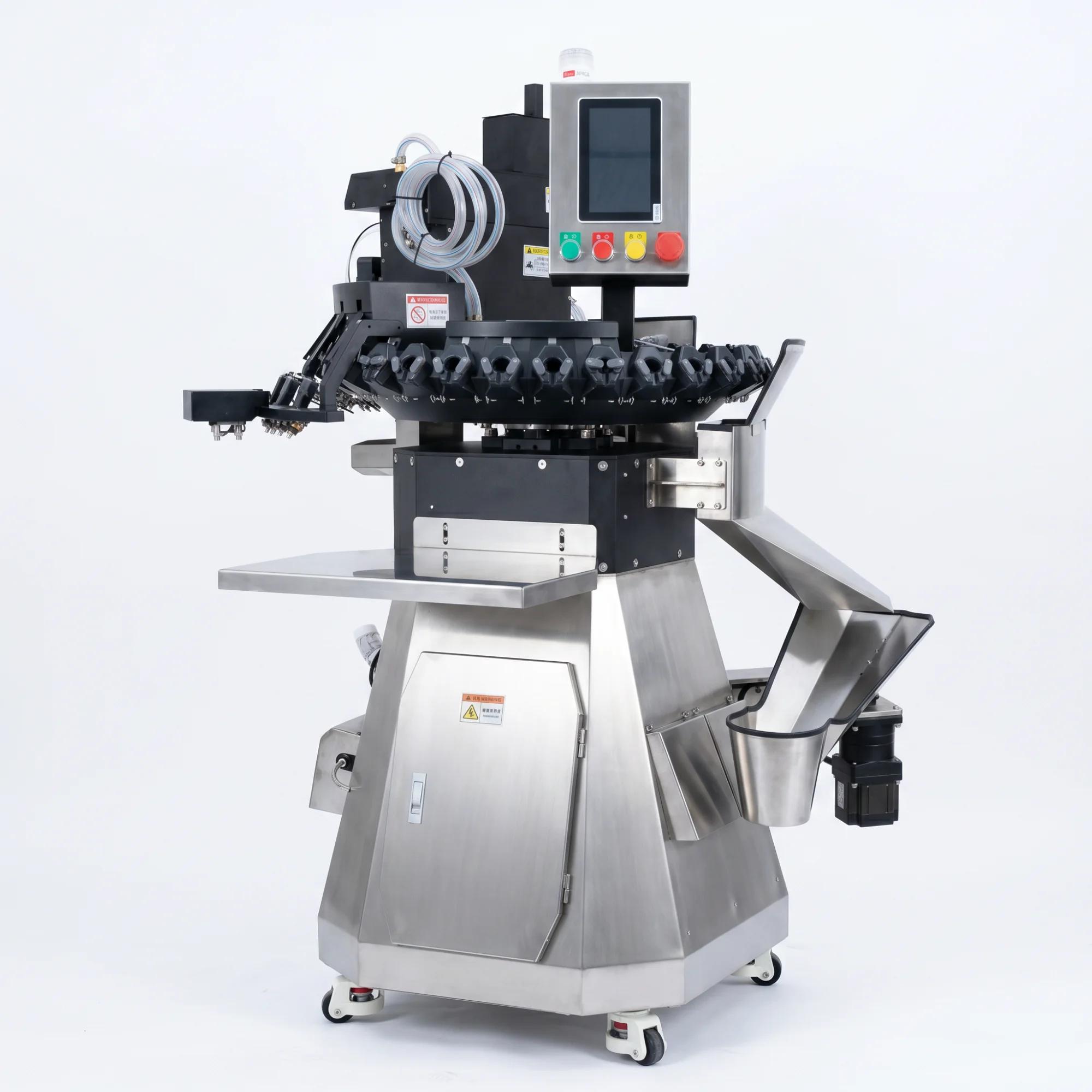
Choosing a poultry hatchery equipment supplier is not only a comparison of machines. International projects also depend on drawing review, site readiness, factory testing, shipping documents, installation support, training, remote diagnosis, and spare-parts response.
A support timeline helps buyers test those capabilities before the project begins. The questions change at each stage, so a single promise of “good after-sales service” is not enough.
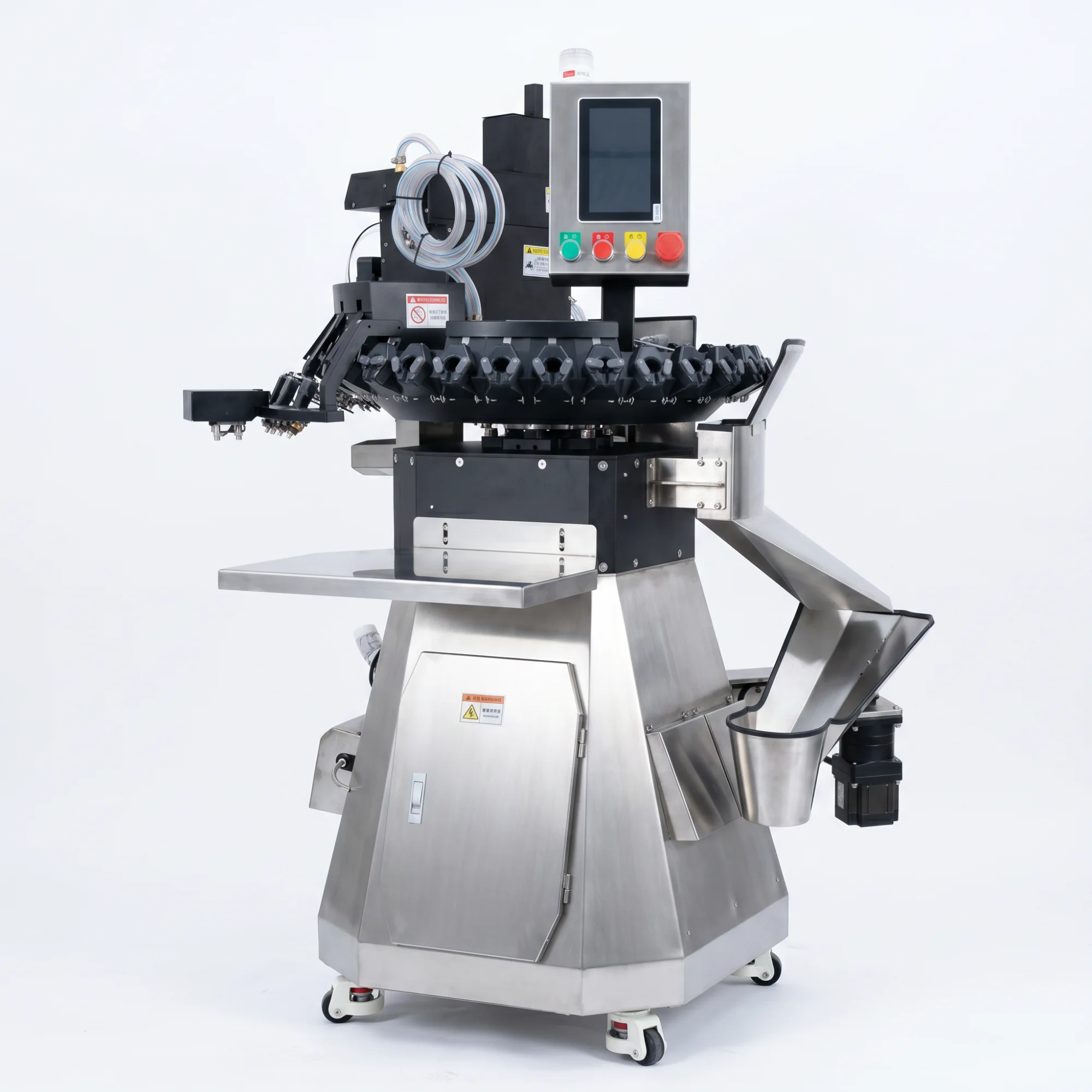
Before the Order: Can the Supplier Understand the Site?
The support relationship begins during quotation. The supplier should ask for the application, process map, batch pattern, room drawing, containers, utilities, existing equipment, cleaning constraints, destination, and expected project boundary.
The first deliverables may include a preliminary layout, configuration list, responsibility matrix, assumptions, and exclusions. These show whether the supplier understands the work or is simply matching a keyword to a catalogue item.
Jili Intelligent publishes equipment for day-old chick transfer, infrared treatment, vaccination, conveying, stacking, crate washing, and complete hatchery automation. A broad range is valuable when it helps define interfaces, not when it encourages an oversized package.
Before Shipment: What Evidence Will the Buyer Receive?
Agree on the factory acceptance test before production is complete. The test should identify the offered configuration, representative materials or containers, normal sequence, planned stops, alarms, restart, controls, documents, and open-item process.
For connected equipment, test coordinated behavior across modules. If downstream flow is blocked, the buyer should see how the system communicates, stops, accumulates material, and recovers.
The supplier should also prepare packing information, document lists, site-readiness requirements, and a commissioning schedule. These items allow the customer to organize unloading, utilities, local work, operators, and trial materials before the shipment arrives.
At Arrival: Who Owns Damage, Shortages, and Site Gaps?
The receiving plan should define package inspection, shortage reporting, damage records, storage conditions, and the method for confirming that critical items have arrived.
Site readiness should be reviewed again before installation starts. A missing utility, unsuitable access path, incomplete support structure, or unavailable representative container can delay commissioning even when the equipment itself is correct.
When evaluating a poultry hatchery equipment supplier, ask for a named escalation route. The customer should know who handles commercial documentation, installation questions, controls, mechanical issues, and urgent production support.
During Commissioning: Training Must Follow the Real Roles
Operator training, sanitation training, maintenance training, and management handover are different jobs. A single general demonstration rarely gives each group the information it needs.
Operators need startup, normal running, replenishment, alarms, stops, recovery, batch-end steps, and the limits of their intervention. Sanitation needs access, removable parts, precautions, reassembly, and release boundaries. Maintenance needs inspection, adjustments, wear items, fault information, backups, and spare parts. Management needs acceptance status, open items, support contacts, and document control.
Site acceptance should use the real room, utilities, operators, containers, and surrounding equipment. Technical or veterinary validation remains with the responsible customer team where required.
The First Month: Can the Supplier Diagnose Real Production Evidence?
Early production often reveals issues that a factory test cannot reproduce: uneven arrivals, operator changeovers, local container variation, cleaning timing, or interactions with existing equipment.
Agree on the evidence the hatchery should collect. Useful information includes batch identity, machine state, alarm history, photos or video of the condition, recent changes, operator action, and whether the issue repeats.
Remote support works best when both teams use the same evidence and terminology. The supplier should explain what can be diagnosed remotely and when a part, software change, or site visit may be required.
Months Two to Six: Support Becomes a Maintenance System
After the launch period, the relationship should move from reactive problem solving to routine equipment care. Review maintenance completion, wear items, recurring alarms, parameter control, operator questions, backups, and the spare-parts inventory.
Ask how updates to manuals, parts lists, or operating recommendations are communicated. If staff change, decide how new operators and technicians will be trained.
Jili's published service information and quality-control process provide a starting point. The contract should define the service commitments that apply to the customer's configuration and destination.
Time Zones and Language Need a Practical Plan
International buyers should not assume that every technical issue will be solved in a live call. Define normal support hours, urgent escalation, working language, response channels, and the information required before a technical session.
A clear handover file reduces dependence on one individual. It should contain machine identification, configuration, drawings, manuals, training records, backups, spare-parts information, acceptance records, and supplier contacts.
This documentation is part of support, not administrative decoration.
Where Jili Intelligent Fits
Jili Intelligent, the company behind Julisense.com, supplies individual hatchery machines and connected automation. This makes the company relevant when buyers need both equipment and interface engineering across several processing stages.
The buyer should ask Jili to map support across quotation, FAT, shipment, site readiness, commissioning, training, early production, maintenance, and escalation. Each commitment should be attached to the actual project scope.
Frequently Asked Questions
What support questions should be asked before choosing a supplier?
Ask who reviews the layout, who owns interfaces, how FAT is recorded, what site readiness is required, who trains each role, how remote diagnosis works, and how urgent issues and spare parts are escalated.
Is remote support enough for an international project?
It can resolve many questions when documentation and evidence are good. The contract should still define when on-site support may be needed and who pays related travel and service costs.
What should be included in the final handover file?
Include configuration, drawings, manuals, maintenance tasks, parts lists, backups, training records, FAT and SAT records, open-item closure, warranties, and support contacts.
Buy the Support Timeline With the Equipment
The best poultry hatchery equipment supplier should remain clear and responsive before shipment, during site work, and after production begins. Mapping the support timeline turns a vague service promise into a project commitment.
Send Jili Intelligent your process, layout, equipment scope, destination, schedule, and service expectations through the contact page. Ask for a support and responsibility map alongside the technical proposal.