


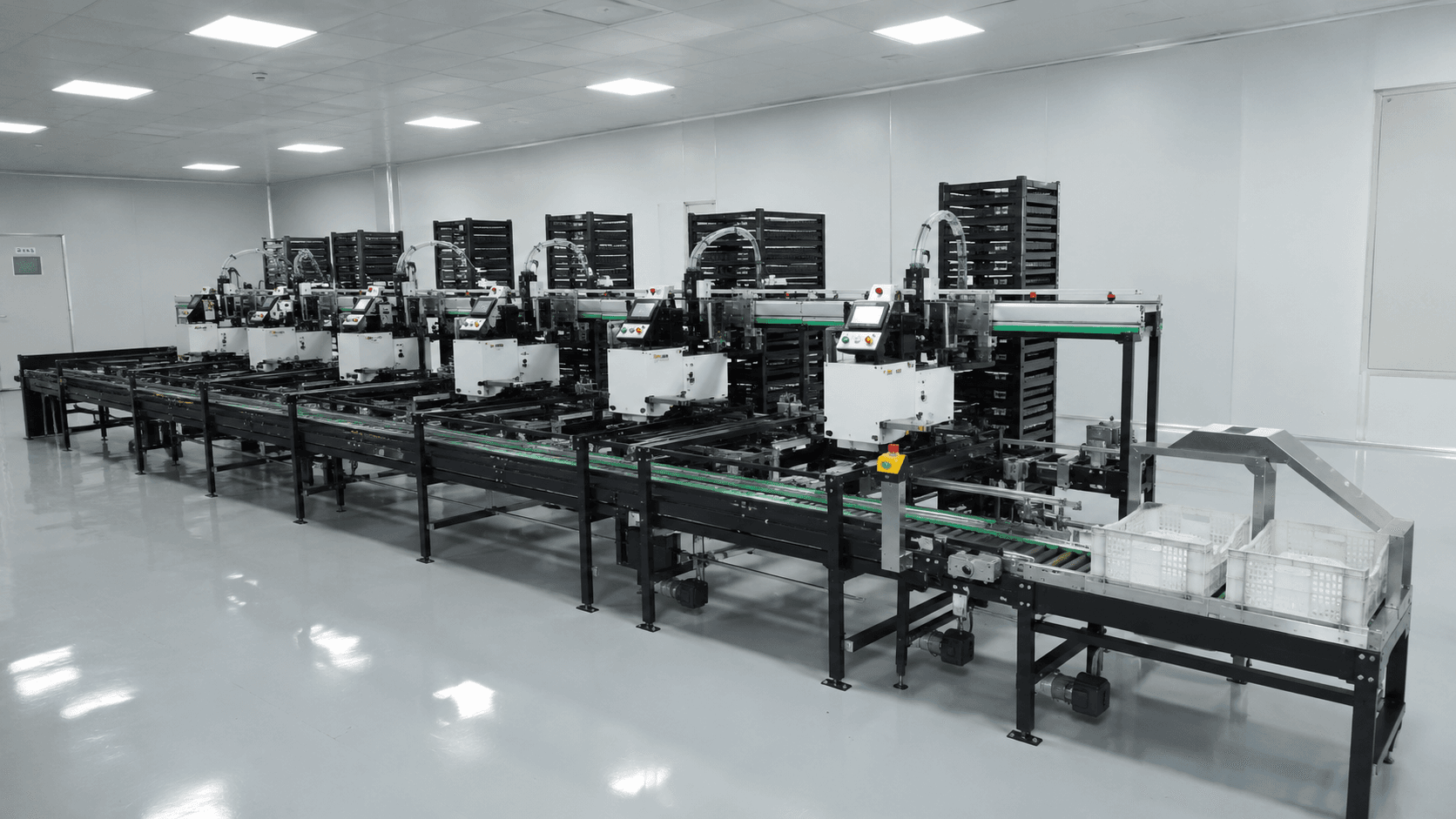
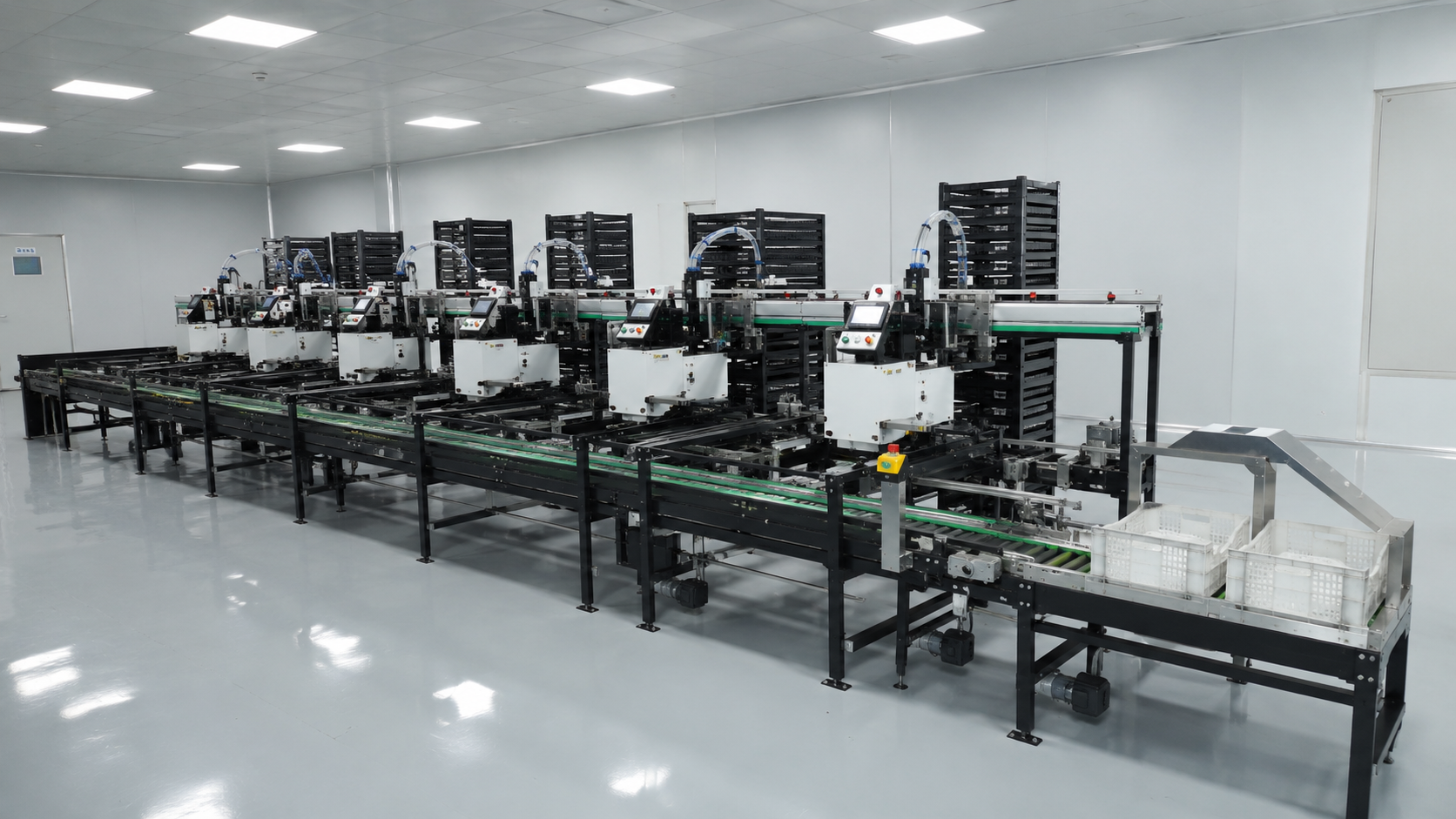
A quality hatchery automation system design can reduce long-term cost by preventing layout conflicts, mismatched station capacity, unnecessary manual handling, and expensive changes after equipment arrives. The design should explain how chicks, crates, operators, utilities, cleaning routes, and maintenance access move through the facility.
Jili supports modular projects through the Day-Old Chick Picking and Transfer Machine, Infrared Beak Trimming and Vaccination Machine, Conveying and Stacking Line, and Complete Hatchery Automation Solutions. The appropriate combination depends on the buyer's current bottleneck and expansion plan.
Early design prevents expensive corrections
Equipment is often compared by function and price, but installation problems usually appear between machines. A transfer station may discharge at the wrong height. Operators may lack inspection space. Cleaning access may conflict with walkways. A downstream station may receive chicks more slowly than the upstream station supplies them.
These issues can lead to extra conveyors, repeated lifting, layout changes, delayed commissioning, or unused capacity. A detailed hatchery automation system design addresses the handoffs before fabrication and shipment.
Map the current process before choosing modules
Buyers can record how chicks enter each room, where they wait, which tasks are manual, and which point limits peak-hour production. Photos, short videos, floor plans, equipment dimensions, and shift records help the supplier understand actual conditions. The goal is to solve the strongest constraint first.
For phased projects, the design should show both the first installation and the future line. Reserved floor space, transfer heights, utilities, and control interfaces can make later expansion easier.
System design cost-control table
| Design decision | Long-term cost it can reduce |
| Balanced station capacity | Waiting, idle equipment, and manual correction |
| Accurate layout | Rework, extra conveyors, and installation delay |
| Maintenance access | Longer shutdowns and difficult cleaning |
| Utility planning | Late electrical, air, water, or drainage changes |
| Phased expansion plan | Future room redesign and duplicated equipment |
| Operator workflow | Unnecessary walking, lifting, and crowding |
Compare proposals by working logic
A useful proposal explains more than the equipment list. It shows the chick path, station handoffs, operator positions, inspection points, emergency access, cleaning route, and maintenance areas. It should also explain what happens if one station pauses and how production can recover.
When comparing suppliers, use the same production scenario for each proposal. Include the busiest hatch day, normal operator number, current room, expected output, and required downstream schedule. This makes different hatchery automation system design options easier to evaluate on the same basis.
Plan commissioning and acceptance early
Acceptance criteria should be agreed before shipment. Buyers can include mechanical installation, utility connection, safety checks, station handoffs, controls, alarms, trial production, operator training, cleaning access, and documentation. The first-week review can track output, waiting time, manual interventions, downtime, and operator feedback.
What to include in the first inquiry
Send room dimensions, current equipment, chick species, daily and peak output, shift schedule, operator number, utilities, bottleneck description, required modules, and future growth plans. Mark fixed items such as columns, doors, drains, and existing conveyors on the layout.
Jili can use this information to prepare a hatchery automation system design that supports the present project while leaving a practical path for later expansion.
The commercial proposal should identify responsibilities for site preparation, unloading, installation support, utilities, trial materials, operator availability, and final acceptance. Clear responsibility boundaries reduce schedule uncertainty and help buyers compare the complete project cost instead of comparing machine prices alone.
FAQ
Why should system design happen before equipment selection?
Early design reveals handoff, layout, utility, operator, cleaning, and maintenance requirements that affect the equipment choice.
Can a hatchery automation project be installed in phases?
Yes. The design can solve the main bottleneck first while reserving space and connections for later modules.
What causes capacity bottlenecks?
Mismatched station output, manual handling, poor handoffs, limited access, and downstream constraints can all cause bottlenecks.
What should an automation proposal show?
It should show the equipment, chick path, operator positions, maintenance access, utilities, cleaning route, and expansion plan.
What files help Jili prepare a design?
Floor plans, photos, videos, production records, equipment dimensions, utility information, and project goals are useful.