


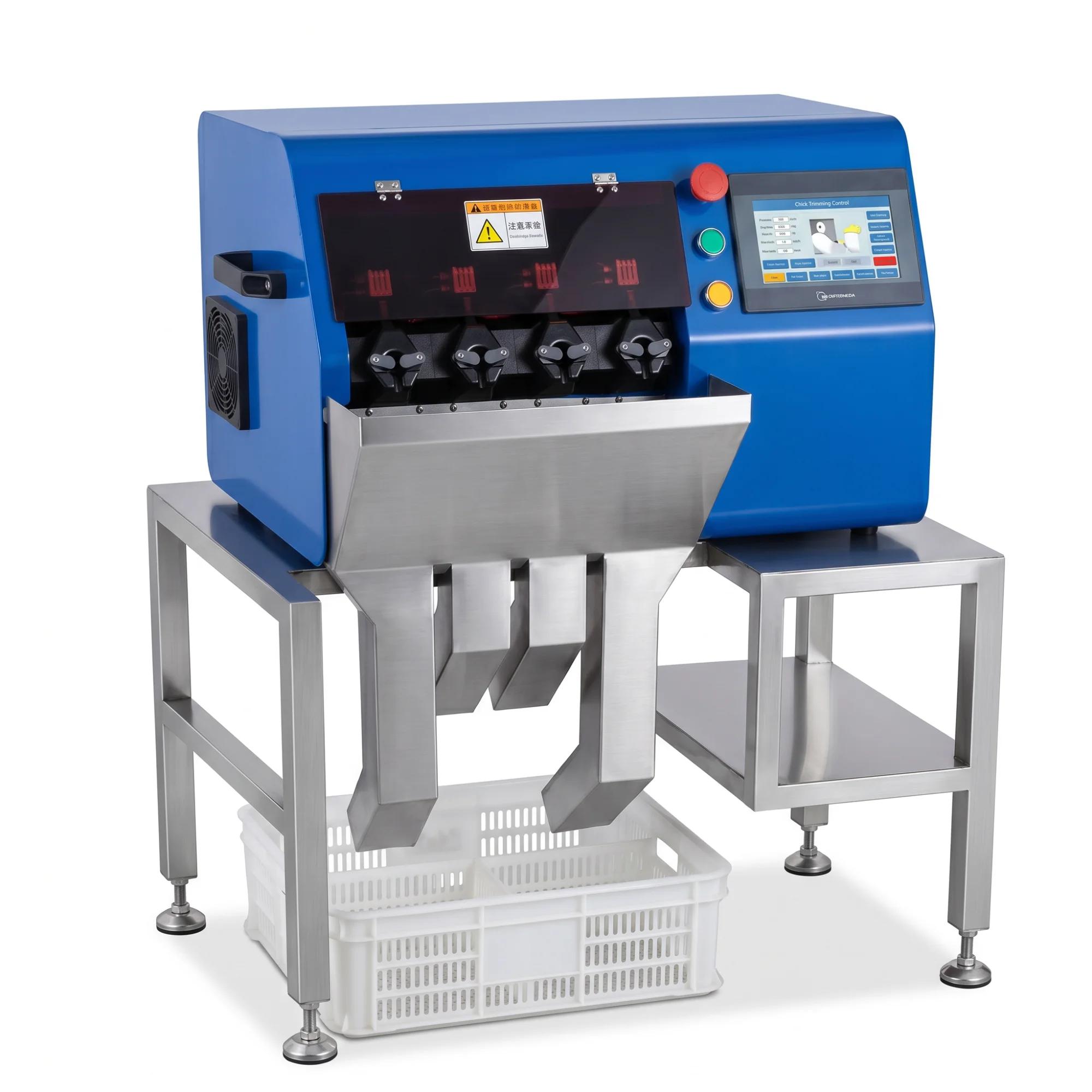
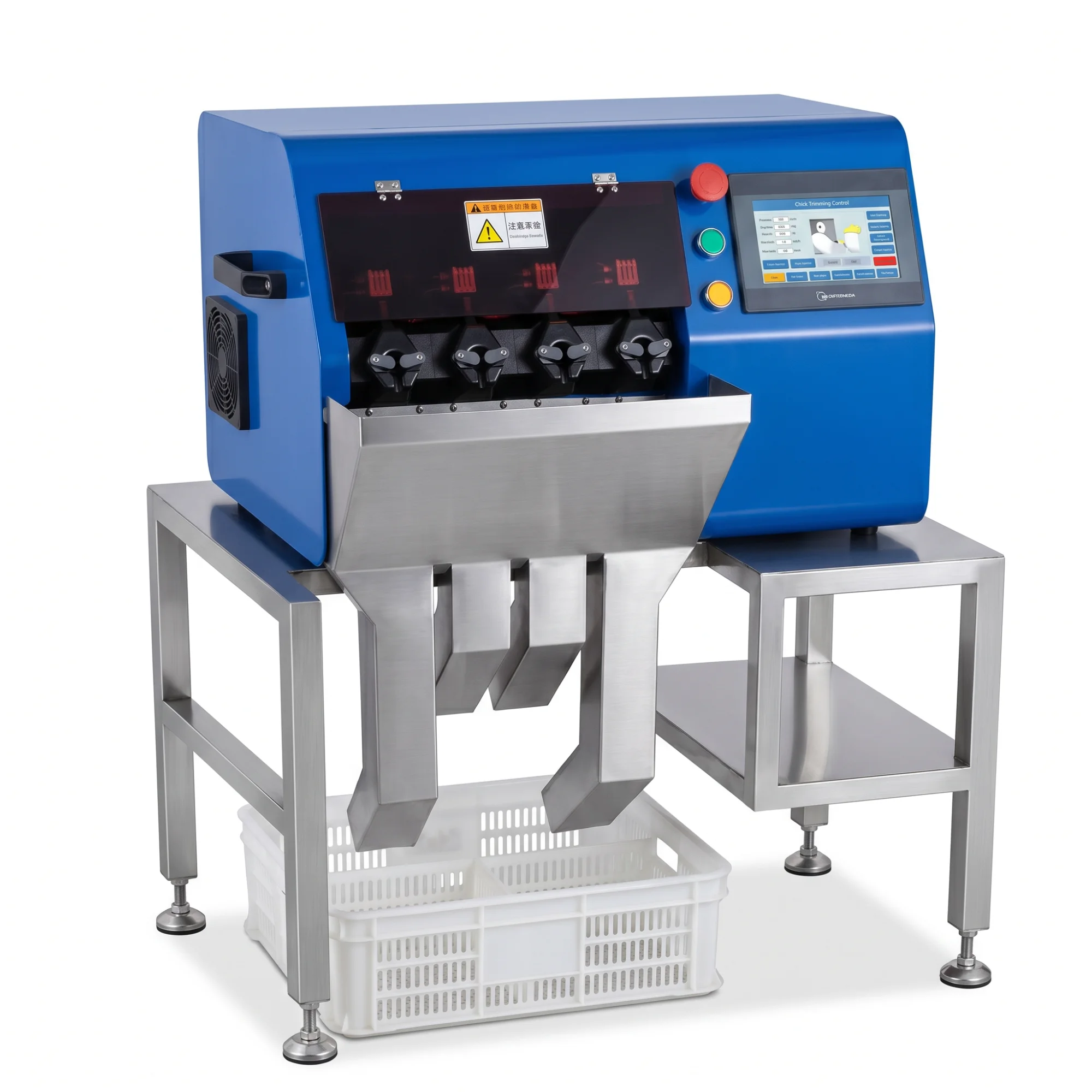
Infrared chick beak trimming equipment is often considered when a hatchery is growing beyond a fully manual beak treatment process. The buyer is usually not looking for a single machine name only. The real question is whether the equipment can make day-old chick handling steadier, easier to supervise, and practical for the target hourly output.
Jili's Day-Old Chick Infrared Beak Trimming Machine is designed for one-day-old yellow-feather chicks, layers, and ducklings. Product materials describe visual window settings, automatic counting, automatic dust blowing, and alarm functions, with reference capacity around 3,200-3,800 chicks per hour and one operator. These facts make the equipment suitable for buyers who need a focused infrared beak treatment station rather than a broad, unrelated automation claim.
Start with the bottleneck before buying equipment
Scaling a hatchery line starts with finding the slow or unstable point. Some teams lose time while positioning chicks by hand. Others have inconsistent treatment checks, poor dust control, or limited room for operators to inspect work. If the bottleneck is not identified first, a faster machine may still leave the same production problem in place.
Before asking for a quotation, record the current chick path from hatching area to the next process. Note where chicks wait, where staff must correct the flow, and where quality inspection depends on experience. This makes the supplier discussion much more specific.
When a dedicated infrared unit is a good fit
- The project focuses on beak treatment rather than vaccination in the same station.
- The hatchery handles one-day-old yellow-feather chicks, layers, or ducklings.
- One trained operator should manage a stable treatment station.
- The team needs visual settings, counting, dust blowing, and alarm reminders.
- Future line planning may include conveying or integrated vaccination, but the first step is controlled infrared treatment.
Planning data buyers should confirm
| Buying factor | What to check |
| Application | One-day-old yellow-feather chicks, layers, and ducklings |
| Reference output | About 3,200-3,800 chicks per hour |
| Operator plan | Usually one trained operator for the station |
| Machine function | Infrared beak treatment with visual settings and alarms |
| Support needs | Training, cleaning access, daily inspection, and spare parts |
How to prepare a stronger RFQ
A clear RFQ helps prevent a generic answer. Include chick species, expected hourly output, shift rhythm, room layout, current manual process, and the next station after beak treatment. If the project may later connect with vaccination or conveying, mention that early so the layout does not limit future expansion.
Buyers can also explain what they want to improve: labor stability, treatment consistency, lower manual pressure, cleaner operation, or easier count tracking. These goals help Jili recommend the correct equipment configuration instead of treating every inquiry as the same project.
How this equipment supports long-term operation
Long-term value comes from repeatability. Visual settings make operator training easier. Automatic counting supports production tracking. Dust blowing and alarm functions help the team notice operating issues earlier. These details are not decorative features; they help the machine stay useful after the first installation period.
For projects where vaccination must happen in the same flow, the Jili Day-Old Chick Infrared Beak Trimming and Vaccination Machine is the closer match. Keeping these two choices separate helps buyers avoid mixing different product purposes in one plan.
For purchasing teams, infrared chick beak trimming equipment should be evaluated as part of the hatchery workflow, including operator training, chick movement, cleaning access, and future line connection.
FAQ
What is infrared chick beak trimming equipment used for?
It is used for controlled infrared beak treatment of day-old chicks in a hatchery workflow.
What capacity can buyers use for early planning?
Jili product material lists about 3,200-3,800 chicks per hour for the dedicated infrared beak trimming machine.
What information should be sent with an inquiry?
Send chick species, hourly target, current workflow, room layout, operator plan, and any future connection requirements.
When is the integrated machine a better option?
It is a better option when beak treatment and vaccination need to happen in one connected station.
How can buyers avoid choosing the wrong machine?
Match the machine to the process first: single infrared beak treatment, integrated beak treatment and vaccination, or a wider hatchery line.