


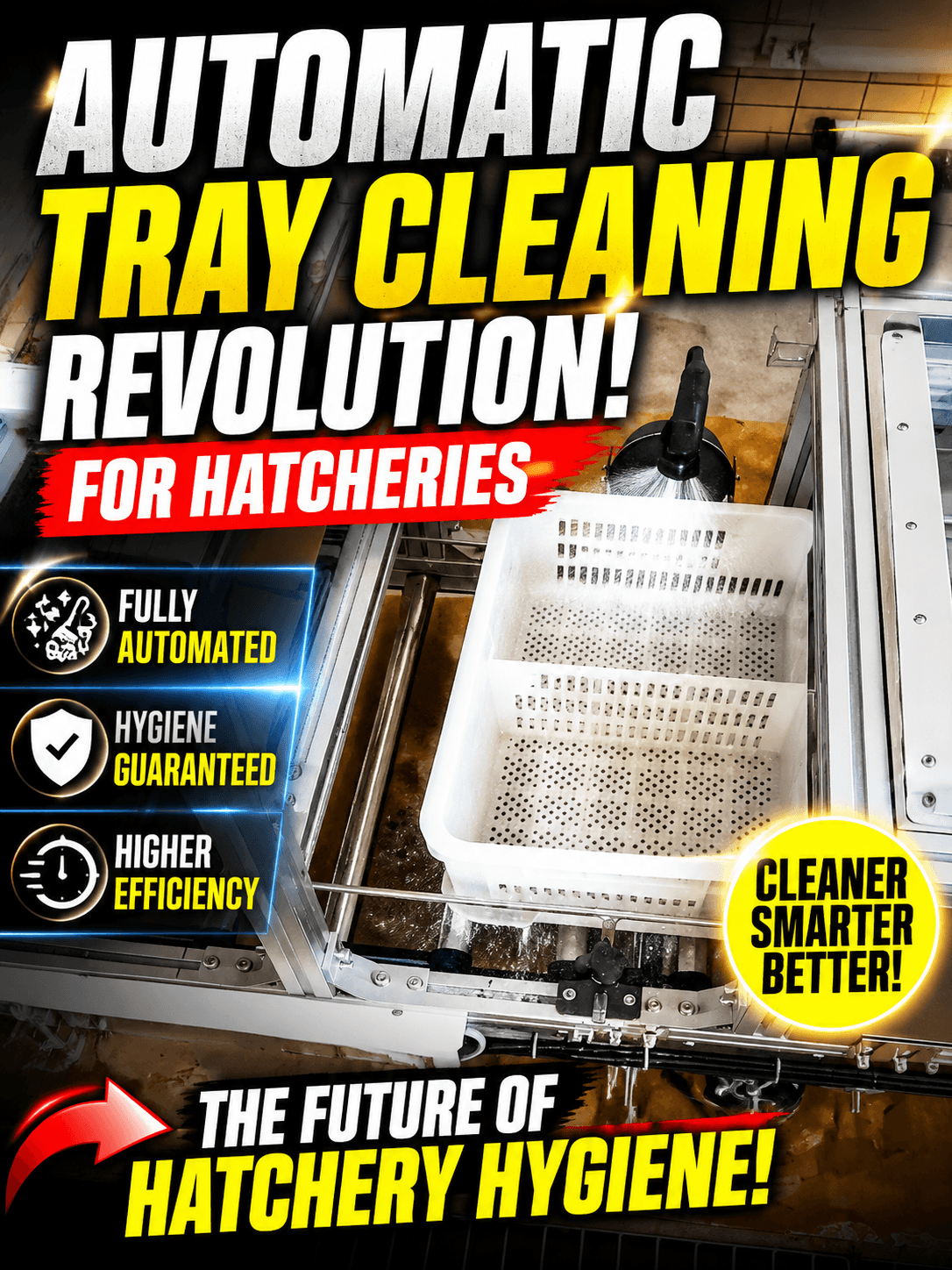
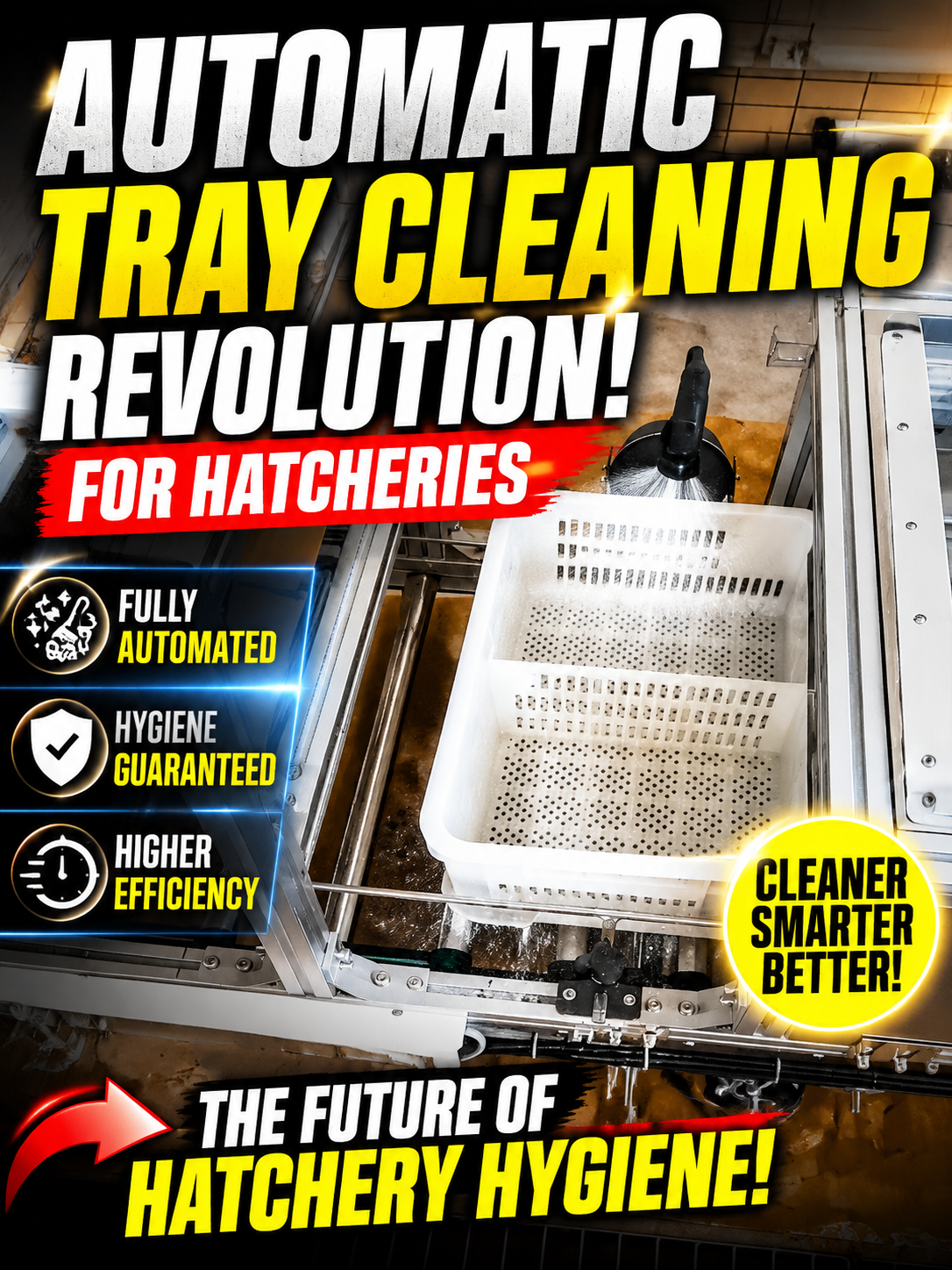
A poultry transport crate washer becomes important when crate cleaning starts to affect production flow. If dirty crates wait too long or clean crates are not ready when needed, washing becomes a bottleneck rather than a support process.
Jili offers the Automatic Continuous Crate Washer for focused crate washing needs and the Poultry Crate Washing System with Inverting and Liner Placement for larger connected workflows. The right choice depends on crate dimensions, soil level, hourly return volume, utility conditions, and whether crates need extra handling after washing.
Scaling crate washing starts with crate flow
Buyers often compare washers by capacity, but crate flow is just as important. Dirty crates need a clear intake area. Clean crates need a predictable return path. Operators need access to filters, drains, nozzles, and residue collection points.
A practical poultry transport crate washer should reduce manual washing pressure and keep the crate return loop stable during normal production and peak shifts.
What buyers should check
- Crate photos, dimensions, material, and damage condition.
- Soil level, residue type, and pre-rinse needs.
- Crates per hour and shift schedule.
- Water, drainage, heating, power, and floor space.
- Loading, unloading, discharge, and clean-crate storage flow.
- Need for inverting, liner placement, or connected handling.
Planning table for washer selection
| Planning factor | Buyer detail |
| Crate fit | Dimensions, stacking method, weight, and material |
| Soil level | Residue type, labels, feathers, and cleaning standard |
| Throughput | Hourly crate return target and shift rhythm |
| Utilities | Water, drainage, heating, power, and available space |
| Maintenance | Nozzle, filter, drain, and residue collection access |
| System scope | Washing only or washing with connected crate handling |
How to avoid a washing bottleneck
Crate washing can become a bottleneck if the washer is difficult to load, drains poorly, or requires too much manual cleaning around filters and residue points. Buyers should discuss these items before layout approval because they affect daily labor after installation.
If the facility only needs continuous washing, a focused washer can be enough. If crates also need inverting, liner placement, or organized return handling, a larger system may support long-term scale better.
What to send to Jili
Send crate photos, dimensions, target throughput, soil condition, current washing method, room layout, utility conditions, and handling requirements. This helps Jili recommend a poultry transport crate washer that fits the facility instead of a generic washing setup.
Calculate the complete crate return cycle
The required capacity of a poultry transport crate washer should be based on the full crate return cycle, not only the washer's stated hourly rate. Buyers can map collection, loading, washing, inspection, drying or draining, clean storage, and return to the production area. Delays at any of these points can reduce the number of usable crates available during a shift.
A practical calculation includes the number of crates in circulation, peak return volume, average soil condition, rejected or damaged crates, changeover time, and the reserve needed for unexpected delays. The layout should also keep dirty and clean movement organized so operators do not create unnecessary cross-traffic around the washing area.
Send Jili representative crate samples or detailed photos together with dimensions, stacking method, residue information, water conditions, drainage limits, and the target return schedule. These details help the engineering team discuss loading, wash stages, maintenance access, and downstream handling as one system. The result is a more reliable crate supply for daily production.
FAQ
What is a poultry transport crate washer used for?
It is used to wash poultry transport crates and support predictable clean-crate return.
When is a larger crate washing system needed?
A larger system is useful when washing must connect with inverting, liner placement, or organized crate handling.
What information should buyers prepare?
Prepare crate photos, dimensions, soil level, throughput target, room layout, and utility conditions.
Why does maintenance access matter?
Good access makes nozzles, filters, drains, and residue areas easier to inspect and clean.
Which Jili products are relevant?
Buyers can compare Jili Automatic Continuous Crate Washer and Jili Poultry Crate Washing System based on workflow scope.