


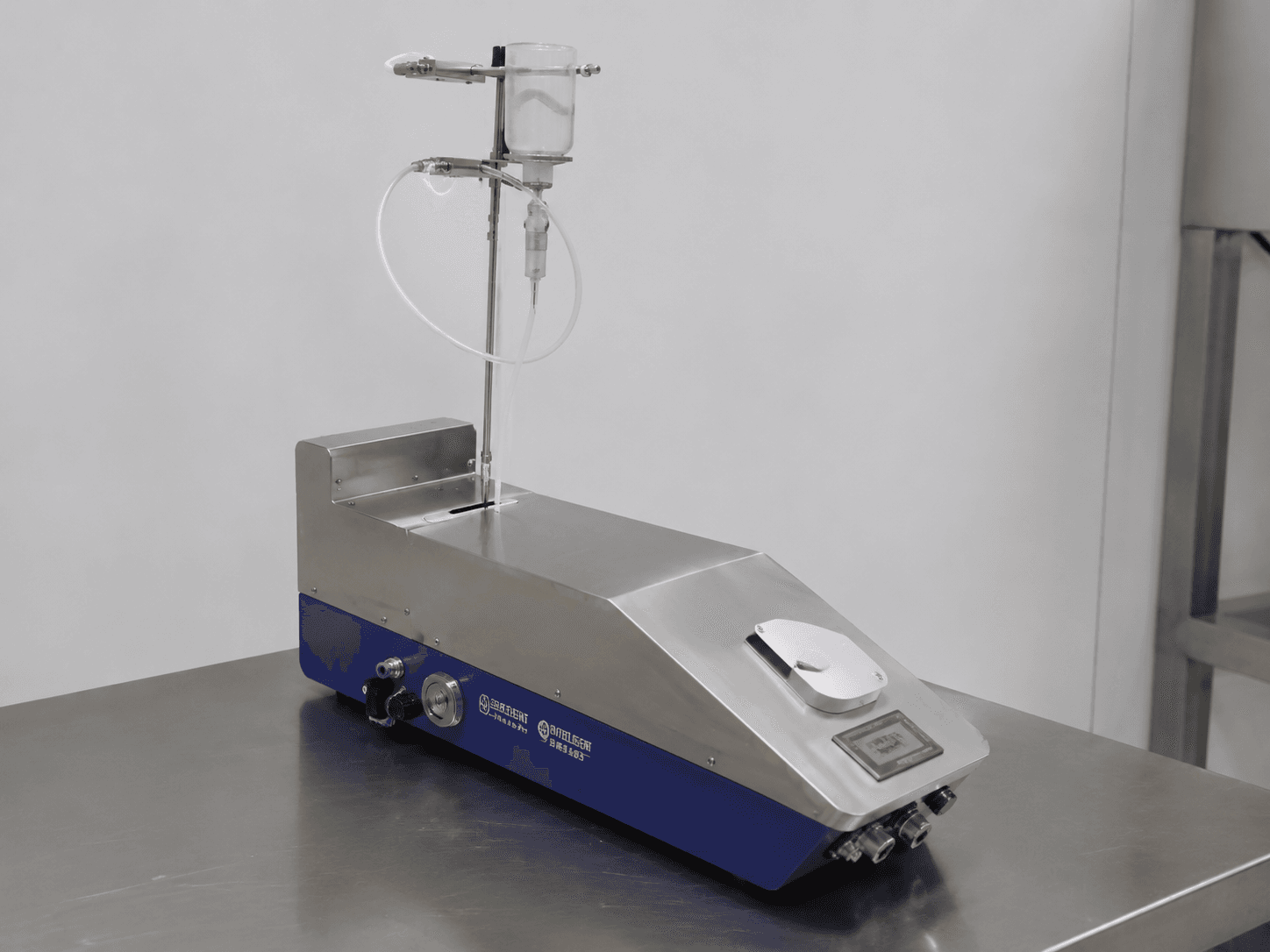
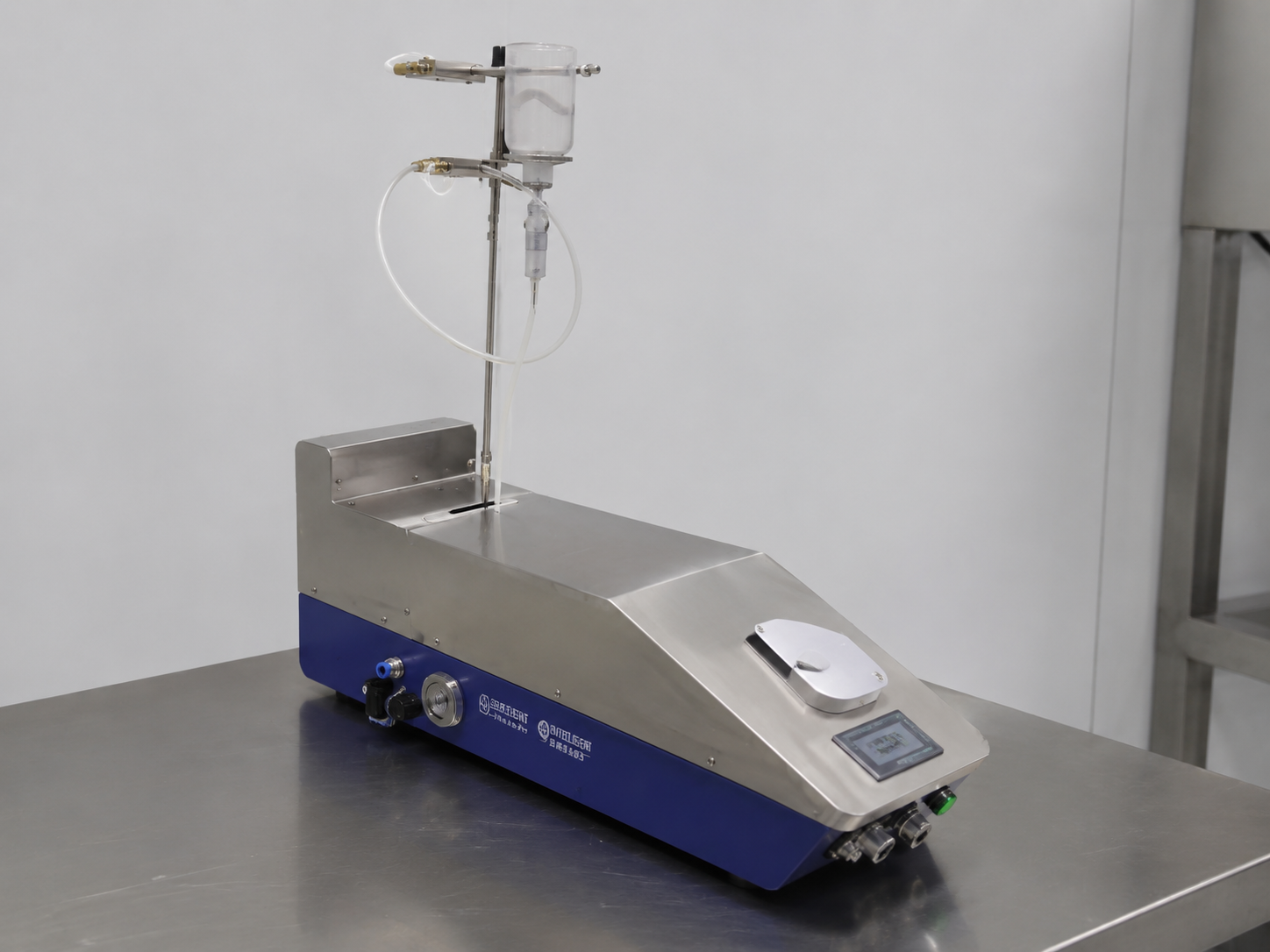
A single needle chick vaccination machine may be the right choice when the approved program, batch workflow, record system, staffing, and future plan all support a simpler configuration. It should not be chosen only because it appears easier or less expensive.
This Jili Intelligent fit check uses a decision matrix that separates technical approval from equipment operation. The customer owns the vaccination program and biological validation; the supplier explains the offered configuration and operating boundary.
Decision 1: Does the Approved Program Require One Injection Path?
The technical or veterinary team should define the birds, age, approved products, injection procedure, handling rules, sanitation requirements, records, and release responsibility.
If the approved program requires more than one injection path, a single-needle configuration may not fit. If one path is approved, the team can continue evaluating operations and equipment.
Do not use machine selection to make a medical decision. Keep technical approval, equipment acceptance, and production release as separate records.
Decision 2: Will the Batch Plan Stay Stable?
Review normal and peak batches, program changes, flock changes, cleaning windows, supply replacement, shift handover, and end-of-batch records.
A simpler configuration can be attractive when batches follow a stable, clearly owned procedure. Frequent program changes or mixed requirements may increase changeover and verification work even if the machine itself is straightforward.
Draw the shift in short intervals. Mark when supplies are prepared, when settings or components are checked, when records are completed, and who authorizes restart after a change.
Decision 3: Does the Machine Fit the Surrounding Workflow?
Vaccination is one station in a larger route. Define chick presentation, operator position, discharge, counting, downstream loading, accumulation, technical review, and the response to a blocked next station.
Jili Intelligent publishes a day-old chick infrared beak trimming and vaccination machine. Buyers should clarify whether the required scope is a vaccination station, a combined treatment and vaccination machine, or a connected processing line.
When evaluating a single needle chick vaccination machine, compare the complete workflow rather than the needle configuration alone.
Decision 4: Can Operators Verify the Right Things?
Operators need a clear startup check, product and batch identity, supply status, machine state, alarm response, changeover procedure, sanitation sequence, and end-of-batch record.
Maintenance needs access to inspection points, adjustments, wear items, backups, alarms, and spare-parts identification. Technical teams need the records required for their approval and release responsibilities.
Training should follow these roles. A generic demonstration is not enough when different teams own different decisions.
Decision 5: What Happens if Requirements Change?
Ask whether the future program, product mix, batch pattern, or automation plan may change. Then ask what parts of the proposed configuration are fixed, adjustable, replaceable, or expandable.
The answer may be a single-needle machine, a different configuration, a combined system, or a phased plan with reserved interfaces. The supplier should state what is currently offered and what would require a new design or validation.
Jili also publishes complete hatchery automation solutions. Future planning can be discussed without assuming that every hatchery needs the same machine combination.
Use a Five-Column Decision Matrix
Create columns for approved requirement, current workflow, offered configuration, evidence needed, and owner. Complete rows for application, batch changes, handling, records, sanitation, maintenance, training, interfaces, support, and future expansion.
Score only after the facts are visible. A simple configuration is valuable when it reduces unnecessary complexity without creating a technical, operating, or future-fit gap.
Frequently Asked Questions
Is a single-needle machine always easier to operate?
It may have a simpler configuration, but actual operation also depends on handling, batch changes, supplies, records, cleaning, alarms, training, and surrounding equipment.
Should buyers compare single-needle and dual-needle machines by price alone?
No. Compare the approved program, complete equipment scope, workflow, interfaces, acceptance evidence, support, and future requirements.
What should be included in factory acceptance?
Include the offered configuration, startup, normal running, a controlled stop, alarm response, restart, changeover steps where relevant, operator access, maintenance access, sanitation access, and document review.
Choose the Configuration That Matches the Approved Work
The best single needle chick vaccination machine is the one that fits the approved program, real batch workflow, operator responsibilities, site interfaces, evidence requirements, and future plan.
Send Jili Intelligent your technical requirements, batch pattern, current handling route, room layout, records, destination, and support expectations through the contact page. Ask for a configuration review that keeps technical approval and equipment scope clearly separated.