


Poultry hatchery vaccination solutions should be planned around the vaccine dose, chick age, production rhythm, operator routine, and the quality checks used by the hatchery. A machine that meets the hourly target can still create problems if tubing preparation, air pressure, needle setup, cleaning, or first-sample inspection are not included in the operating plan.
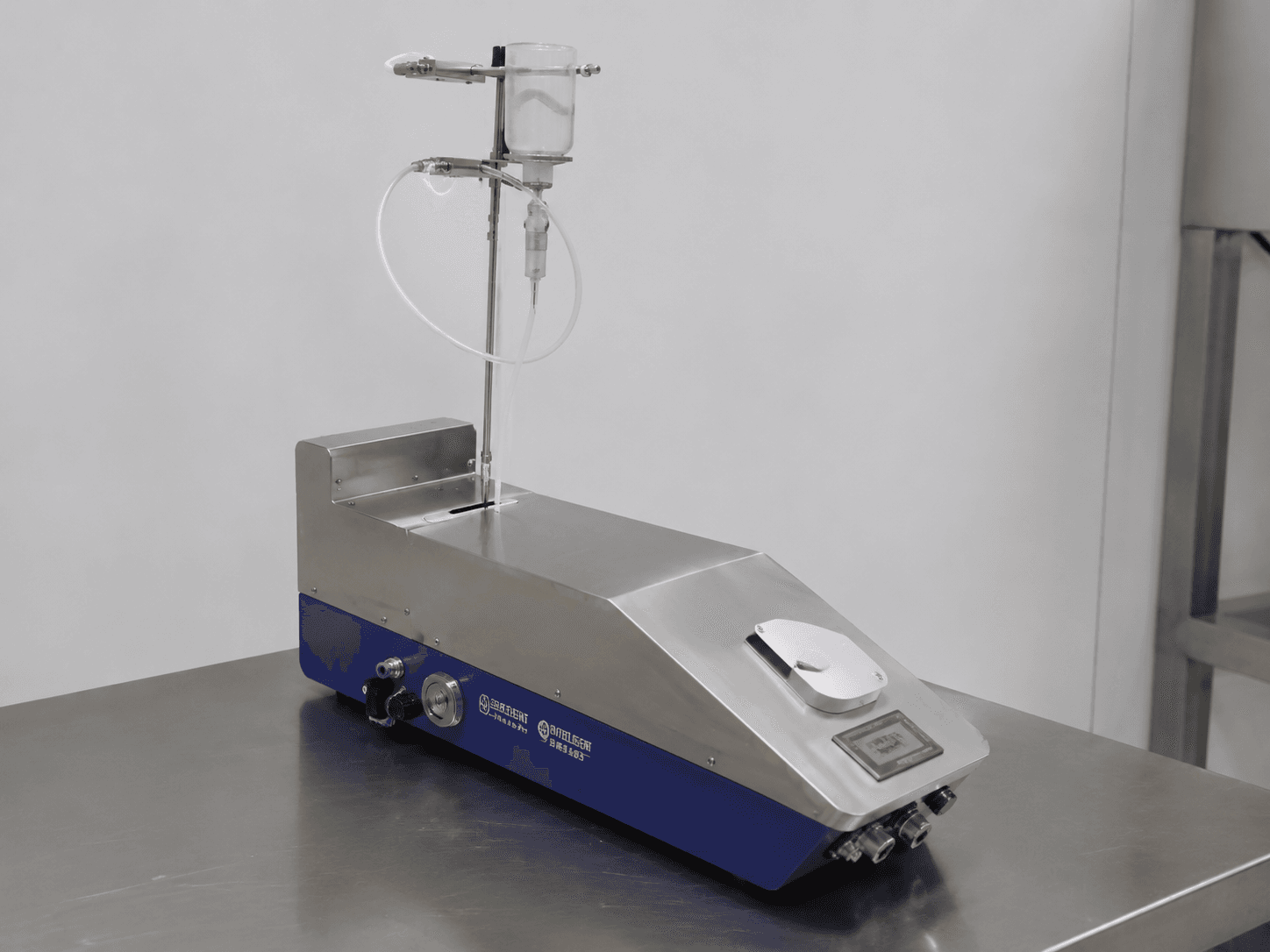
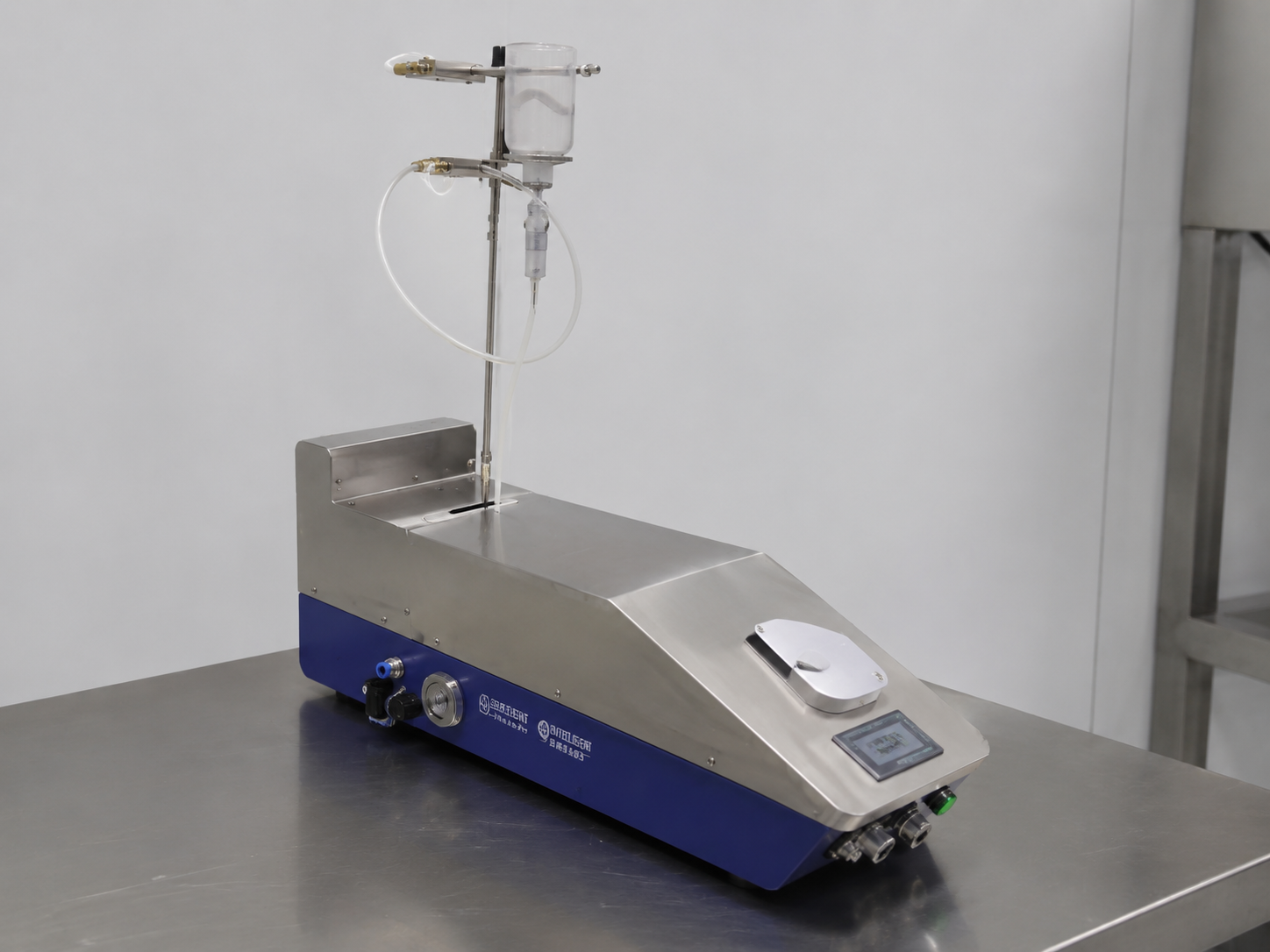
The Jili Day-Old Chick Injection Vaccinator is designed for neck subcutaneous injection of day-old chicks. Jili product information lists an adjustable dose of 0.05-0.3 ml, a reference capacity of about 3,200-3,800 chicks per hour for four-station equipment, approximately 0.2 kW power, and an air-pressure check around 0.45-0.5 MPa before operation.
Tailoring begins with the vaccination process
Buyers can start by documenting what happens before, during, and after injection. How is vaccine prepared? Who checks the dose? How are bubbles removed from the tubing? What inspection is performed on the first group of chicks? How are missed injection, leakage, or bleeding recorded? These questions define the operating standard the equipment must support.
Effective poultry hatchery vaccination solutions connect machine selection with training and supervision. The supplier should explain startup, calibration, needle positioning, tubing checks, cleaning, consumables, and the response to an abnormal result.
Capacity must match the surrounding workflow
Large-scale production does not mean selecting the fastest station in isolation. Chick arrival, operator positioning, vaccination, inspection, and downstream movement need compatible rhythms. If vaccination is faster than the next process, chicks may wait. If the upstream transfer step is unstable, the vaccination station may never reach its planned output.
Buyers should compare normal hourly volume and peak-hour demand rather than relying only on daily totals. Shift length, breaks, cleaning, consumable replacement, and product changeovers also affect practical capacity.
Vaccination planning table
| Planning item | Information to confirm |
| Application | Chick age, injection location, and vaccination procedure |
| Dose | Required dose and calibration method |
| Output | Normal and peak hourly volume |
| Utilities | Power, compressed air, and room conditions |
| Quality control | First-sample inspection and issue records |
| Support | Training, consumables, spare parts, and troubleshooting |
Choose between a dedicated and integrated station
A dedicated injection vaccinator is appropriate when the hatchery wants a focused vaccination process. If infrared beak treatment must happen during the same handling step, the Jili Infrared Beak Trimming and Vaccination Machine may reduce repeated handling. The integrated option should be evaluated against chick type, room layout, utilities, target capacity, and the downstream process.
Tailored poultry hatchery vaccination solutions can also be introduced in phases. A hatchery may start with a dedicated station, standardize the vaccination routine, and later connect transfer or conveying modules when production grows.
Prepare operators for consistent shifts
A practical training plan covers startup, dose verification, needle and guide checks, tubing preparation, air pressure, cleaning, shutdown, and abnormal-condition response. Supervisors can use a short shift record to compare dose settings, consumables, downtime, output, and inspection results. This reduces dependence on verbal handovers.
What buyers should send to Jili
Prepare chick age, vaccine type and dose, current method, daily volume, peak-hour target, room layout, operator number, compressed-air condition, and the problems the project should solve. Include whether vaccination must connect with beak treatment, transfer, conveying, or another station.
With this information, Jili can discuss poultry hatchery vaccination solutions as an operating workflow rather than a generic equipment quotation.
Buyers can also request a commissioning record template before delivery. Recording the selected dose, air pressure, consumables, first-sample result, interruptions, corrective actions, and final output gives supervisors a consistent reference for later shifts and service discussions.
FAQ
What dose range is listed for the Jili injection vaccinator?
Jili product information lists an adjustable dose range of 0.05-0.3 ml.
What affects practical vaccination capacity?
Chick arrival, operator routine, dose checks, consumable changes, cleaning, inspection, and downstream flow all affect capacity.
Why is air pressure important?
Air pressure is part of the startup check and should match the equipment operating requirement before production.
When is an integrated station useful?
It is useful when vaccination and infrared beak treatment need to occur in the same handling step.
What information is needed for a proposal?
Send chick age, dose, volume, layout, utilities, current issues, operator plan, and required line connections.