


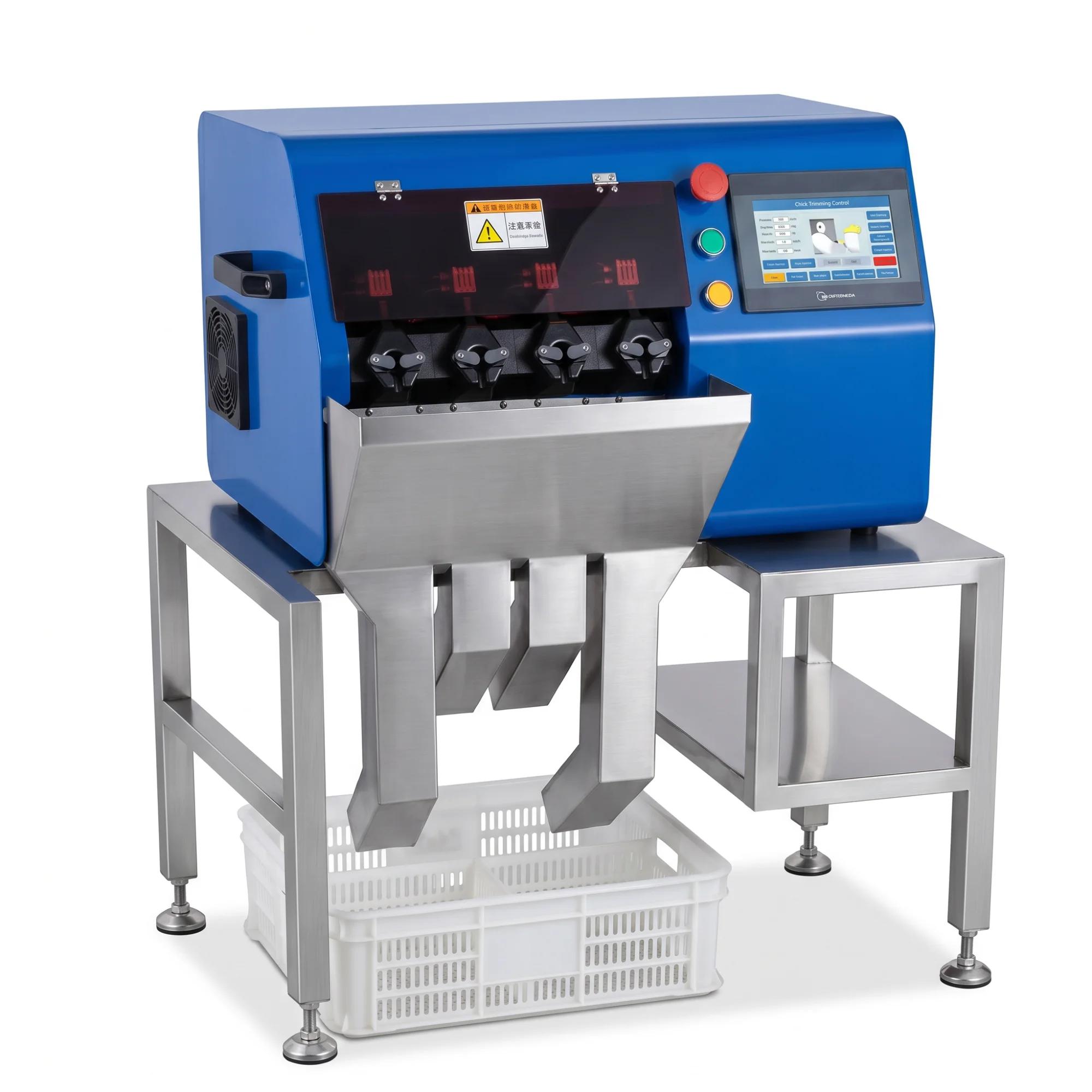
A product page can show the machine, but it cannot show whether that machine will work in your hatchery. If you are searching for a poultry debeaking machine for sale, the first question is not simply "How much does it cost?" It is "Does this offer match our birds, approved process, daily workload, and existing line?"
That distinction prevents a common purchasing problem: two quotations may appear to describe the same equipment while covering very different projects. One price may include only a standalone unit. Another may include extra workstations, line connections, commissioning, training, and spare parts. Comparing the totals before comparing the scope can make the cheaper offer look better than it really is.
Start With the Application, Not the Listing
The words "poultry" and "debeaking" are broad. They can refer to different bird types, ages, and treatment methods. A supplier therefore needs to know exactly what the hatchery intends to do before recommending a model.
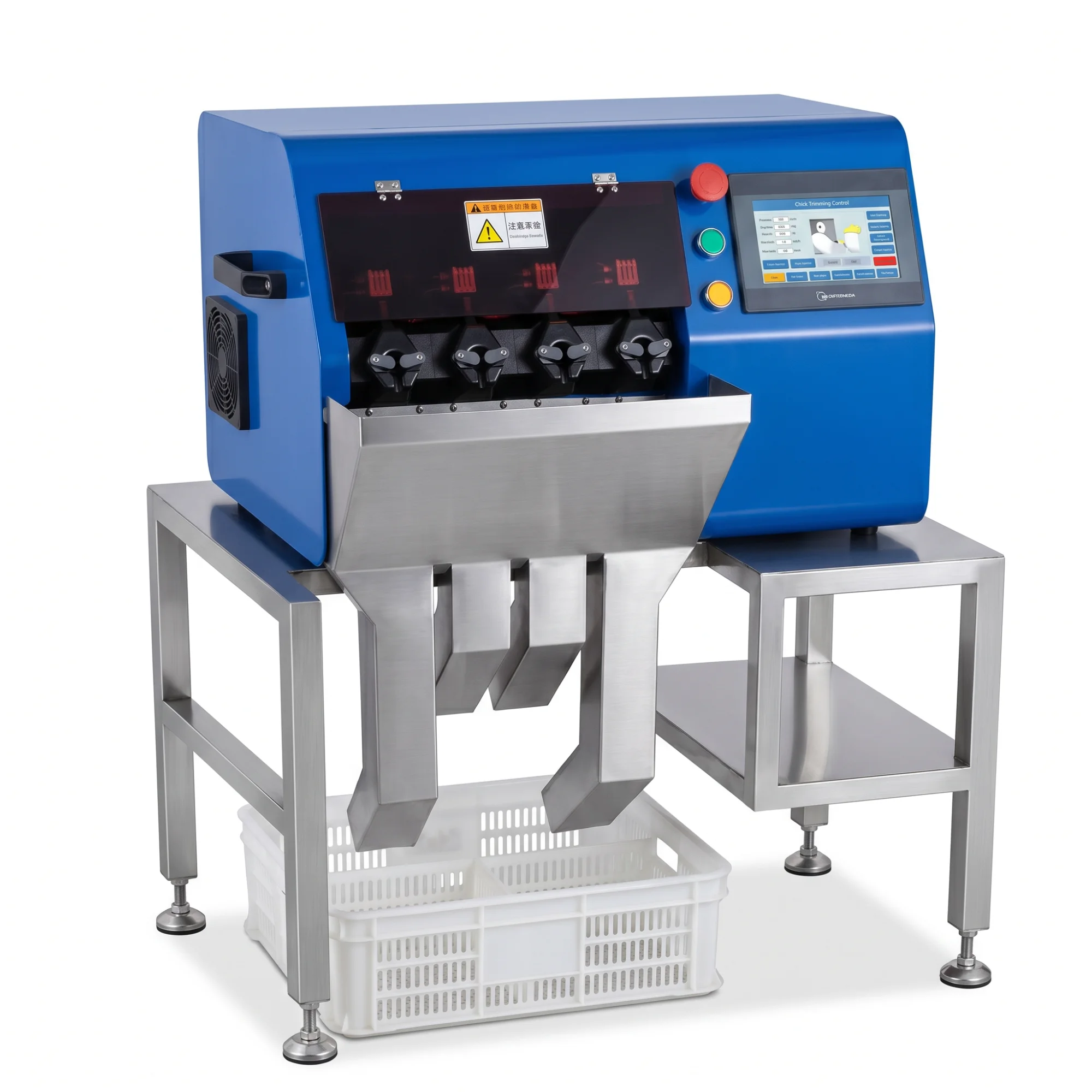
Jili Intelligent, the company behind Julisense.com, publishes a day-old chick infrared beak trimming machine. Its stated application is specific: infrared beak treatment for day-old chicks in hatchery operations. Buyers should not assume that the same equipment applies to every species, production stage, or local procedure.
A useful first inquiry can be short and plain:
We process [bird type] at [age]. Our approved procedure requires [method or equipment requirement]. A normal batch is [quantity] over [time window]. We need the machine to operate [standalone / with our existing line] at our site in [country].
This gives the supplier enough context to discuss a real configuration rather than send a generic catalogue and price.
The Same Machine Can Create Three Different Projects
Consider a hatchery replacing an old station. It may already have suitable conveyors, utilities, operator positions, and crate flow. Its main concern is whether the new unit fits the available space and connects cleanly to the surrounding equipment. Buying a complete line would add cost without solving the actual problem.
A hatchery automating the process for the first time has a different risk. Even if the machine itself is appropriate, the room may not support comfortable chick presentation, cleaning access, outfeed, or maintenance. In that case, a low standalone price can lead to expensive site changes after the order.
An expanding hatchery faces a third situation. It may need more positions or a second line, but it also wants common controls, familiar spare parts, and a workflow that does not split production into two incompatible standards. For this buyer, consistency across the site may matter as much as the purchase price.
The lesson is simple: the correct offer depends on what the machine is replacing, connecting to, or enabling.
What the Quotation Must Make Visible
A serious quotation should let a buyer see where the supplier's responsibility begins and ends. The key information can be grouped into four practical questions.
First, what equipment is included? The quotation should identify the model, configuration, operator positions, standard functions, selected options, and relevant accessories. A photograph is not a configuration list.
Second, what happens around the machine? The buyer needs to know who presents the chicks, where they go afterward, and whether conveyors, workstations, crate handling, or control signals are included. This is often where two apparently similar offers become different.
Third, how will the equipment reach normal production? Packing, freight terms, site preparation, installation, commissioning, training, and factory testing should be stated. If a responsibility belongs to the hatchery, that should be visible too.
Finally, what happens after startup? The proposal should explain which documents and initial spare parts are supplied, how faults are reported, and what support is included or separately charged.
| Area to compare | What a useful offer shows |
|---|---|
| Equipment | Exact model, configuration, options, and exclusions |
| Line fit | Mechanical, electrical, control, operator, and crate-flow interfaces |
| Delivery and startup | Packing, trade term, site duties, testing, commissioning, and training |
| Ongoing support | Documents, spare parts, warranty terms, and support process |
When each supplier answers these same four areas, the buyer can compare like with like instead of guessing from a package total.
A Product Video Should Show Work, Not Just Motion
A polished clip of a machine running for thirty seconds proves very little about a full working day. Ask for a video or live demonstration that follows the operator's experience: startup, normal chick presentation, replenishment, a controlled stop, restart, and access for cleaning or routine inspection.
The most useful moments are often the unglamorous ones. Can an operator see the machine state clearly? Is the working position practical? What must be removed for cleaning? If a fault occurs, can the team understand where it happened and recover in an orderly way?
If the demonstrated machine differs from the proposed configuration, ask the supplier to explain those differences on screen. The Jili Intelligent guide to infrared beak trimming machine buying criteria provides more questions for this review. Buyers comparing terminology and process approaches can also read infrared beak trimming versus hot blade methods.
Be Careful With Capacity and Labor Claims
Words such as "high capacity" and "labor saving" sound precise, but they are not useful until the operating assumptions are known. A machine may perform well during continuous presentation and still fail to meet the hatchery's shift target if crates arrive late, operators wait for supplies, cleaning takes longer than expected, or a connected station stops frequently.
Ask what staffing, batch pattern, operating window, planned stops, and upstream or downstream work were assumed. Then compare those assumptions with the way your hatchery actually runs. The aim is not to force the supplier to promise a whole-shift result from one machine. It is to understand what must be true for the quoted configuration to deliver the expected outcome.
When the Purchase Is Not Ready Yet
A project needs more work before a deposit when the supplier has not confirmed the bird type and age, the offered model is unclear, the room layout has not been reviewed, or capacity appears without operating conditions. Undefined factory testing, installation duties, exclusions, and support are further signs that the commercial scope is incomplete.
These gaps do not automatically make a supplier unsuitable. They mean the buyer does not yet have enough information to approve the project with confidence.
Where Jili Intelligent Fits
Jili Intelligent's relevant published product is an infrared beak trimming machine for day-old chick hatchery operations, not a generic machine for every use of the word poultry. The wider Julisense range also covers vaccination, chick transfer, conveying, stacking, and complete hatchery automation.
That range is relevant when the beak treatment station needs to connect with a broader process. The exact application, configuration, tests, installation scope, and destination requirements still need to be confirmed in a project proposal. Buyers can review Jili Intelligent's published quality-control process while agreeing on the inspection records required for their order.
Frequently Asked Questions
Is a debeaking machine the same as a beak trimming machine?
The terms are sometimes used interchangeably in online searches, but they can describe different methods or expectations. State the required application and process clearly. Jili Intelligent describes its relevant product as an infrared beak trimming machine for day-old chicks.
Can the machine be purchased without conveyors?
That may be possible when the existing presentation and outfeed arrangement is suitable. Share the room layout, working heights, operator positions, utilities, and surrounding equipment so the supplier can check the interfaces.
Why is there no fixed price here?
The model, number of positions, integration work, controls, testing, logistics, installation, training, and destination all affect the scope. A public price without those details could be misleading.
Turn a Poultry Debeaking Machine for Sale Into a Defined Project
A poultry debeaking machine for sale is a starting point, not a complete purchasing answer. Confirm the application first, then compare the equipment, line fit, startup responsibility, and support included in each proposal.
To discuss a day-old chick infrared beak treatment project, send Jili Intelligent your bird application, normal and peak volume, room layout, existing process, destination, and required service scope through the contact page. Ask for an itemized configuration so your team can see what it is actually buying.
Reference Points
- WOAH international standards provide animal-health and welfare reference material.
- ICC Incoterms rules explain internationally used trade terms. The sales contract should state the selected rule and named place.