

Specializing in Infrared Beak Trimming (IBT) and automated hatchery solutions. WhatsApp: +86 18998104353 MP: +86 18998104353 Email: owen.oyoung@julisense.com

Chick Beak Trimming and Vaccination Machine: How Buyers Compare Options

blog avatar
Published
May 22 2026
  • Product Guide

Follow us

chick-beak-trimming-and-vaccination-machine-how-buyers-compare-options

Why poultry buyers are comparing chick beak trimming and vaccination machine options more closely


For hatcheries and poultry integrators, a chick beak trimming and vaccination machine is no longer a niche purchase. It sits at the intersection of animal handling, biosecurity, labor planning, and day-one chick quality. When a line is running well, it helps standardize early-life procedures and reduces the amount of manual handling that can slow a hatchery floor. When it is poorly matched to the operation, it creates the opposite problem: stressed birds, uneven treatment, maintenance headaches, and a team that starts working around the machine instead of with it.


That is why buyers often ask the wrong first question. They focus on whether the machine can “do the job,” when the more useful question is whether it can do the job at the right speed, with the right handling discipline, and with the right level of control for their chicks. A related search term, day-old chick infrared beak trimming machine, points to the same practical concern: gentle processing at an early stage, with consistent results and minimal disruption. In poultry equipment, the details matter more than the brochure language.


What this equipment is really solving on the floor


At a hatchery, time is compressed. Chicks must be handled quickly, procedures must stay orderly, and equipment must be easy to sanitize between runs. A machine used for beak treatment and vaccination is meant to reduce variability that comes with handwork. It also helps create a repeatable process flow, which matters when different shifts, different operators, or different flock schedules are involved.


For the buyer, the decision is usually not simply “manual or automated.” It is more often a choice between different levels of automation, different handling methods, and different safety expectations. Some systems prioritize throughput. Others emphasize gentler restraint or more precise dose application. If you have ever watched a line where every pause backs up the next table, you know why that distinction matters.


Key features buyers usually evaluate first


Even when the machine categories differ, the evaluation logic is similar. If a supplier is describing a chick beak trimming and vaccination machine, you will want to know how the machine manages the bird, how consistently it delivers the treatment, and how easy it is to keep clean.


Bird handling and flow


Chick handling is where many systems succeed or fail. The equipment should support stable positioning and smooth transfer, because rough handling can create avoidable stress. In early-life poultry work, small delays or awkward transfers quickly affect line rhythm. Buyers should ask how chicks enter the station, whether the motion is continuous or stop-start, and what kind of operator attention is required to keep the flow moving.


Treatment consistency


Vaccination and beak-related processing both depend on repeatability. In a production environment, consistency matters more than impressive peak speed. If the treatment is applied unevenly, the downstream cost is usually hidden until later. That is one reason many plants look for clear control interfaces, visible safety interlocks, and straightforward adjustment points rather than complicated features that only one technician understands.


Cleaning and hygiene


Poultry buyers are understandably cautious about hygiene. Equipment with smooth surfaces, accessible panels, and enclosed components is usually easier to maintain. A stainless-steel or brushed-metal finish is often preferred in industrial settings because it supports cleaning routines better than exposed, hard-to-reach structures. The machine should not trap residue in places that are awkward to inspect. That sounds obvious, but it is a common source of maintenance complaints.


Operator safety and control


Look for a machine that puts safety where operators can actually use it. An emergency stop, clear push-button layout, and a readable touchscreen interface are not decorative extras. They are signs that the machine was designed with floor use in mind. In a high-traffic hatchery, simple controls can be more valuable than elaborate software menus.


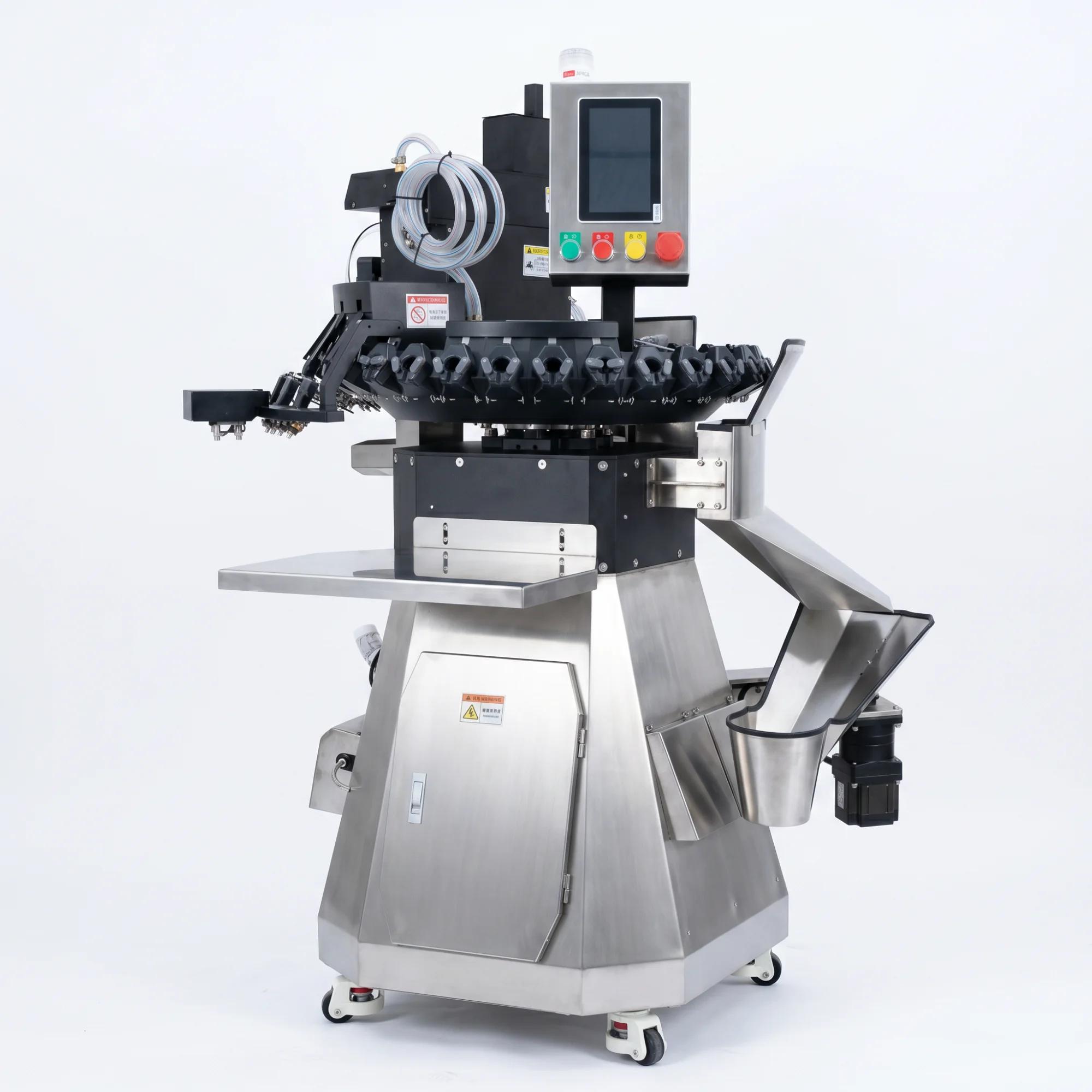
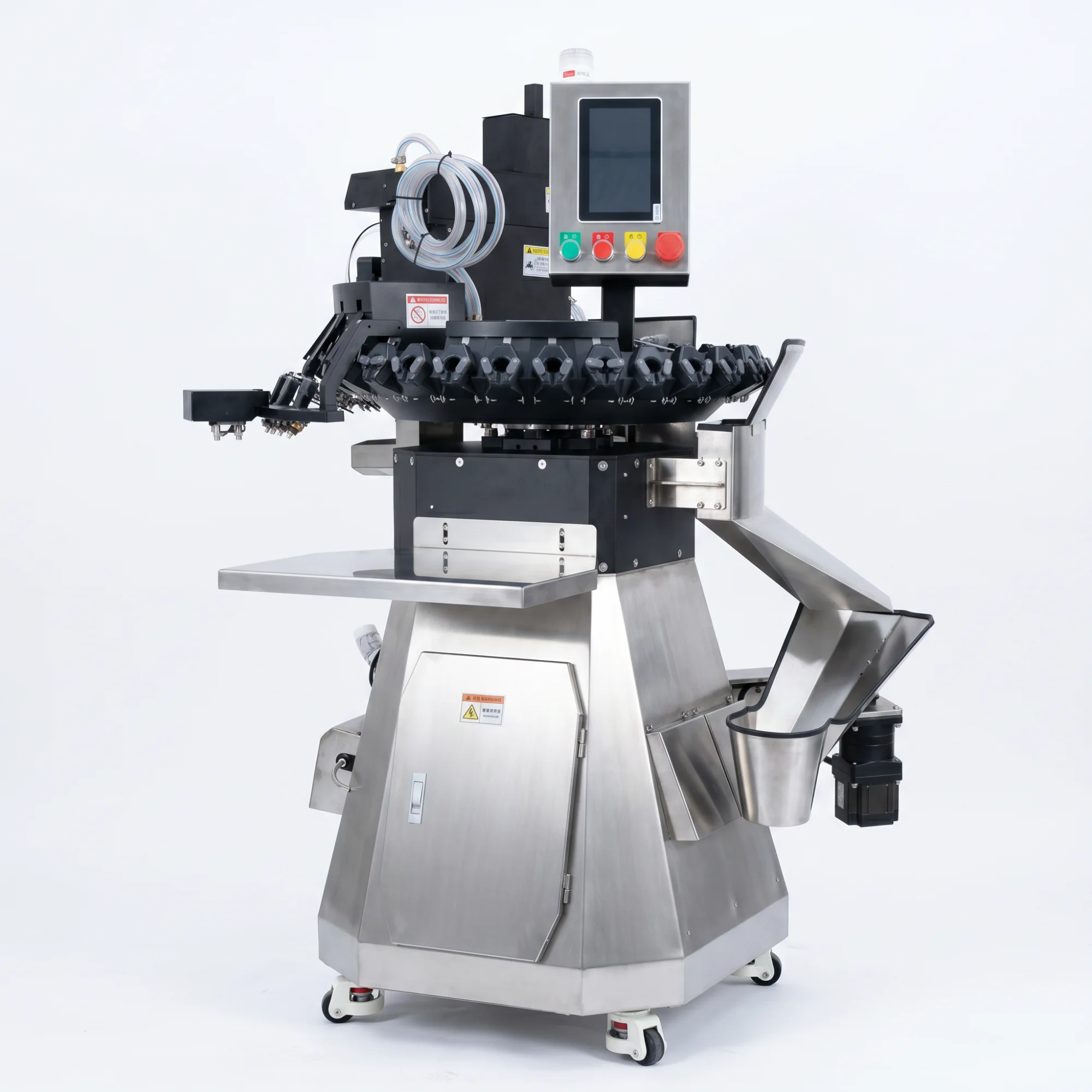
What the stainless-steel, touchscreen-style industrial machine image suggests


The product information provided here does not identify a poultry machine specifically, so it would be irresponsible to pretend it does. Still, the visible features describe an industrial automated system with traits that buyers in hygiene-sensitive industries usually value. The machine appears to use a stainless-steel or brushed-metal enclosure, a large touchscreen HMI, emergency stop controls, tubing and fittings, and a multi-nozzle ring around a central working zone. It also sits on casters, which suggests mobility for servicing or flexible placement.


Those visible characteristics matter because they point to an equipment philosophy: controlled output, enclosed mechanics, and easier access for maintenance. For poultry buyers, those are the same kinds of traits that support disciplined processing. Even if the machine shown is not the exact species-specific unit a hatchery would buy, the design cues are familiar and useful when comparing suppliers.


How to compare systems without getting lost in sales language


Many brochures sound precise while remaining vague where it counts. To make a practical comparison, buyers should ask for the same answers from every supplier and put them in a simple side-by-side sheet. The goal is to separate marketing claims from operating realities.


1. Throughput under real conditions


Do not accept a top-line hourly figure without context. Ask whether that number assumes ideal bird loading, trained staff, or a specific flock size. A machine that looks fast in a video may slow down once sanitation steps, repositioning, and operator checks are included.


2. Handling gentleness


For day-old chicks, gentle handling is not a soft preference; it is part of preserving the quality you already paid for in incubation, hatching, and transport. Ask how the system supports stable bird positioning and what parts of the process are most likely to create stress.


3. Cleaning access


If a machine has hidden tubing runs, hard-to-open guards, or awkward corners, maintenance will suffer. The enclosed cabinet and access doors visible in the product description are good signs, but buyers should still ask how long routine cleaning takes and which parts are expected to wear most often.


4. Training burden


A line that requires a specialist to keep it running can be a burden in a hatchery with shift turnover. A practical buyer should ask how much training is needed for daily operation, not just for installation.


Where buyers can go wrong


One common mistake is over-specifying automation and under-specifying support. A machine may look sophisticated on paper, but if the supplier cannot explain maintenance procedures clearly, the savings disappear quickly. Another mistake is assuming that all day-old chick infrared beak trimming machine configurations are interchangeable. They are not. The handling method, adjustment range, sanitation design, and service access can vary enough to change the real operating cost.


Another issue is buying only to solve a labor shortage without checking whether the line layout can support the equipment. A machine that is technically capable but awkwardly placed can create new bottlenecks. Floor space, power access, operator movement, and cleaning routes all matter. In hatchery work, “we’ll make it fit later” is usually a poor plan.


Practical advice for sourcing managers and engineers


If you are sourcing this type of equipment, start with the workflow, not the model name. Map where chicks arrive, where they are handled, where the treatment occurs, and where they exit. Then ask suppliers how their machine fits that sequence. A good supplier should be able to discuss layout, cleaning access, and operator movement without hiding behind generic claims.


Engineers should also pay attention to serviceability. A machine with visible tubing, fittings, and an accessible lower cabinet may be easier to support over time than a tightly packed enclosure that looks neat but is painful to maintain. That is especially relevant if the system will be used daily and cleaned frequently. Reliability in this category is often built from ordinary details: accessible fasteners, clear labeling, and sensible component placement.


For product teams, the real question is whether the equipment supports the standard you want to deliver to customers. If beak treatment or vaccination is part of a larger day-old chick handling promise, the machine must protect consistency more than it shows off capability.


Questions worth putting to any supplier


Ask how the machine handles bird variation, what kind of operator oversight is required, how cleaning is performed, and which parts are expected to need the most maintenance. Request a plain explanation of the control system and what alarms or stop conditions are built in. If the vendor cannot answer those questions in concrete language, that is a warning sign.


Also ask for the exact scope of what the machine does. Some equipment may be intended for trimming, some for vaccination, and some for multiple steps in one station. Do not assume capability from a product photo. Industrial machinery can be versatile, but it can also be very specific.


FAQ


Is an automated machine always better than manual handling?


Not always. Automation is useful when it improves consistency, reduces fatigue, and keeps line flow stable. But a poorly matched machine can add complexity. The better choice depends on flock volume, labor availability, and how much control the operation needs.


Does infrared trimming automatically mean gentler processing?


Not by itself. Infrared-based systems are often discussed in terms of precision and controlled application, but the real outcome depends on the whole handling chain, including restraint, timing, and operator practice.


What should I prioritize if hygiene is a concern?


Look for enclosed construction, accessible panels, smooth surfaces, and straightforward cleaning routes. If the machine is hard to strip down or inspect, hygiene will become a recurring problem.


Next step for buyers


If you are evaluating a chick beak trimming and vaccination machine, start with a short list built around your actual line conditions. Compare handling method, control simplicity, sanitation access, and serviceability before you compare feature lists. A machine that fits the work is worth more than one that simply sounds advanced.


If you are still early in the sourcing stage, ask suppliers for a workflow-based recommendation rather than a catalog answer. The best fit is usually the one that keeps birds moving steadily, keeps operators comfortable, and stays maintainable after the first busy season. That is where the real value shows up.

blog avatar

Jili Intelligent

Professional Hatchery Automation Solution Expert

Specializes in automatic egg turning, intelligent incubation systems, poultry processing equipment, full-set hatchery automation solutions and customized farming machinery.

Tag:

    Share On

    Comment

    0 comments

      Got thoughts or experiences to share? We'd love to hear from you!

      Featured Blogs

      empty image
      No data