


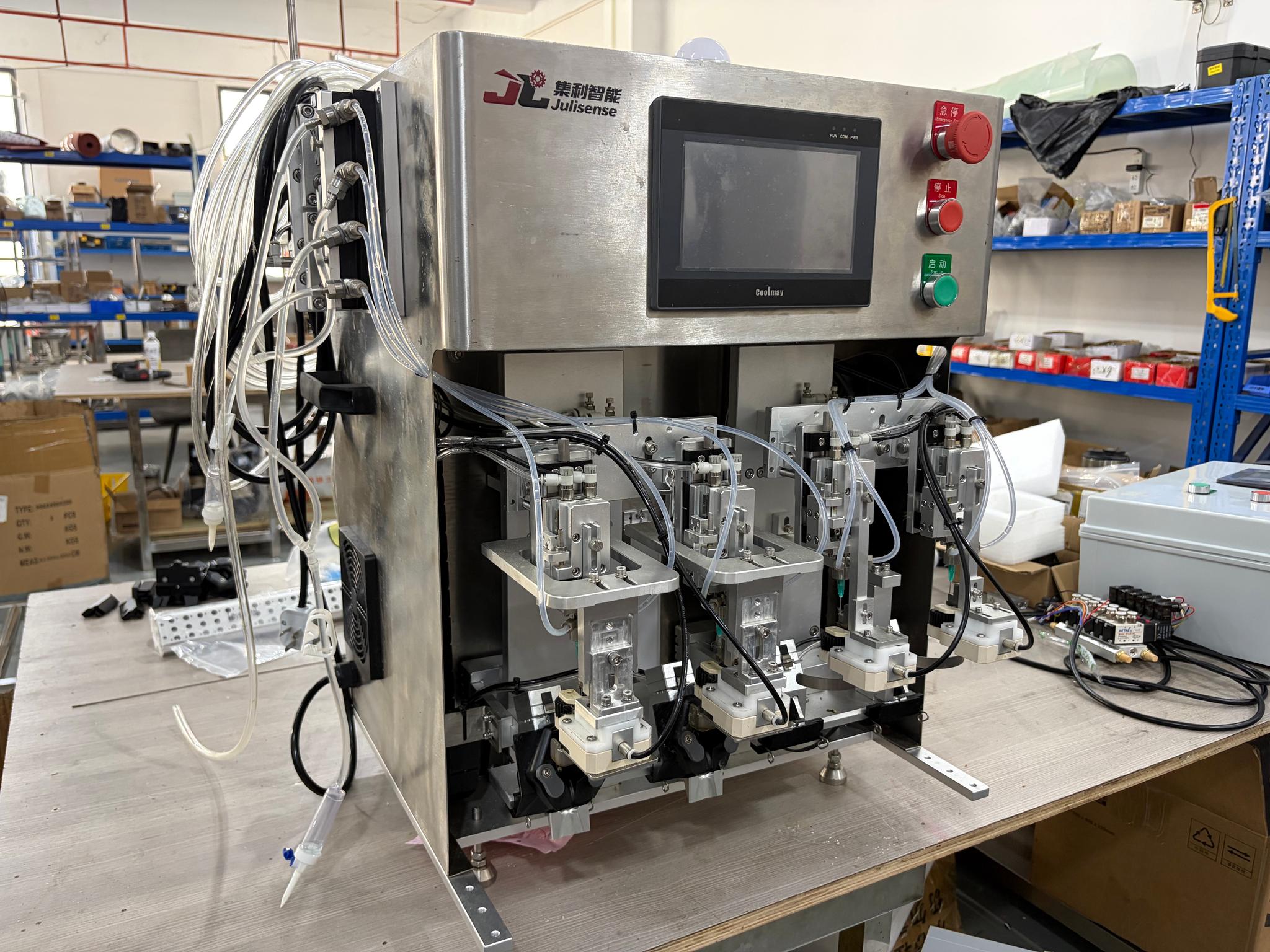
A chick vaccination machine commissioning checklist should answer a practical question: can the hatchery run a real first flock with the new machine, record what happened, and know who owns the next decision? A polished dry run is useful, but commissioning is only convincing when setup, vaccine handling, operator movement, exceptions, and support all hold together in the room.
Think of the first flock as a rehearsal with consequences. The team learns a new rhythm while production moves. A useful review leaves clear evidence, sensible limits, and named actions instead of signatures nobody uses after the supplier leaves.
Define success before anyone presses Start
Commissioning goes sideways when customer and supplier use “ready” differently. Before the test, write down what the hatchery needs to see: chick age and route, the approved vaccine procedure, the operating team, and the records required at shift end. The machine supports the vaccination program; it does not replace the site's veterinarian-approved method or local requirements.
Keep acceptance language plain. “Dose is correct” is incomplete unless the team knows how it is checked, what happens to a doubtful result, and who releases the line. Speed needs the same context: a number without a loading pattern, pause rule, and operator count does not describe a working shift.
| Commissioning question | Useful evidence | Owner in the room |
|---|---|---|
| Is the station ready for the planned route? | Marked layout, utilities check, access and clean-down walk-through | Engineering and production |
| Is the approved vaccination method represented? | Customer procedure, setup record, and agreed verification points | Veterinary or vaccination lead |
| Can the team work without supplier prompts? | Operator teach-back during a representative run | Shift supervisor |
| Is an exception controlled? | Pause, hold, escalation, and restart record | Production and quality |
The four clocks of a commissioning day
A hatchery can be technically ready and still be operationally unready. Separate the day into four clocks so a late room task does not hide behind a successful machine cycle. This is the part of a chick vaccination machine commissioning checklist that keeps the conversation honest.
Clock one: the room
Walk the operator's route from chick presentation to release. Check lighting, footing, access to controls, vaccine preparation space, drainage or waste arrangements where applicable, and a clear place for material that must be held. Look at the route during a shift change, not only when the room is empty. A door, trolley, or temporary box can create the most persistent bottleneck.
Clock two: the machine
Review the selected configuration against the customer scope. Confirm that controls, guards, loading aids, injection assemblies, and change parts are the ones the team expects to operate. Ask the supplier to show normal start and safe stop. The useful evidence is whether the responsible person can explain what the station is doing and why, not whether everyone can recite components.
Clock three: the people
Use teach-back. Let the operator explain the startup, normal cycle, pause, inspection, and end-of-run steps while the trainer listens. Then invite the vaccination lead and the maintenance contact to describe the same event from their own perspective. Differences are not a failure; they are a prompt to clarify ownership before the first production day.
Clock four: the record
Choose the minimum record that reconstructs the test: date, configuration, people present, approved materials, run condition, observations, open actions, and release decision. Keep it with the equipment file and where the shift team can find it. A record that lives only in an email thread is hard to use during a busy morning.
Run a dry rehearsal that resembles the real shift
Start with an empty-line rehearsal, then add the loading pattern and handoffs the team will actually use. The purpose is not to imitate a laboratory. It is to expose the little movements that disappear from a brochure: who replenishes a tray, who watches the next chick, where the supervisor stands, and how a line pause is communicated.
- Opening: have the assigned operator bring the station from its agreed safe state to ready state while another person verifies the checklist.
- Representative run: use the customer-approved practice material or a controlled production window to observe the planned loading rhythm and operator spacing.
- Pause and resume: call a planned stop, record the state of the station, and let the operator restart without a whispered correction from the supplier.
- Handover: ask the incoming shift to receive the station using only the record and the local procedure.
The point is not to chase a perfect demonstration. It is to make the handoff visible. If the line runs smoothly only while one experienced person stands beside it, the commissioning conversation is not finished.
Give every critical action an evidence card
Long forms invite ticking. Short evidence cards invite useful observations. Create one card for each action that could change the release decision, and write what “observed” means before the run begins.
Card A: setup and preparation
Record the configuration, approved preparation method, parts fitted for the run, and any customer-supplied equipment. Note what the machine is waiting for when it cannot start. This prevents a utility or preparation issue from being misread as an equipment fault.
Card B: operator rhythm
Watch the hands, not only the display. Can the operator present chicks consistently, see the relevant status, and keep the next handoff clear? A short video may help the customer's own training process, subject to its privacy and biosecurity rules.
Card C: verification and release
Write down the check the customer has approved, who performs it, and what happens when the result is uncertain. Do not invent a pass value in the article or during a generic demo; that decision belongs to the hatchery's qualified program.
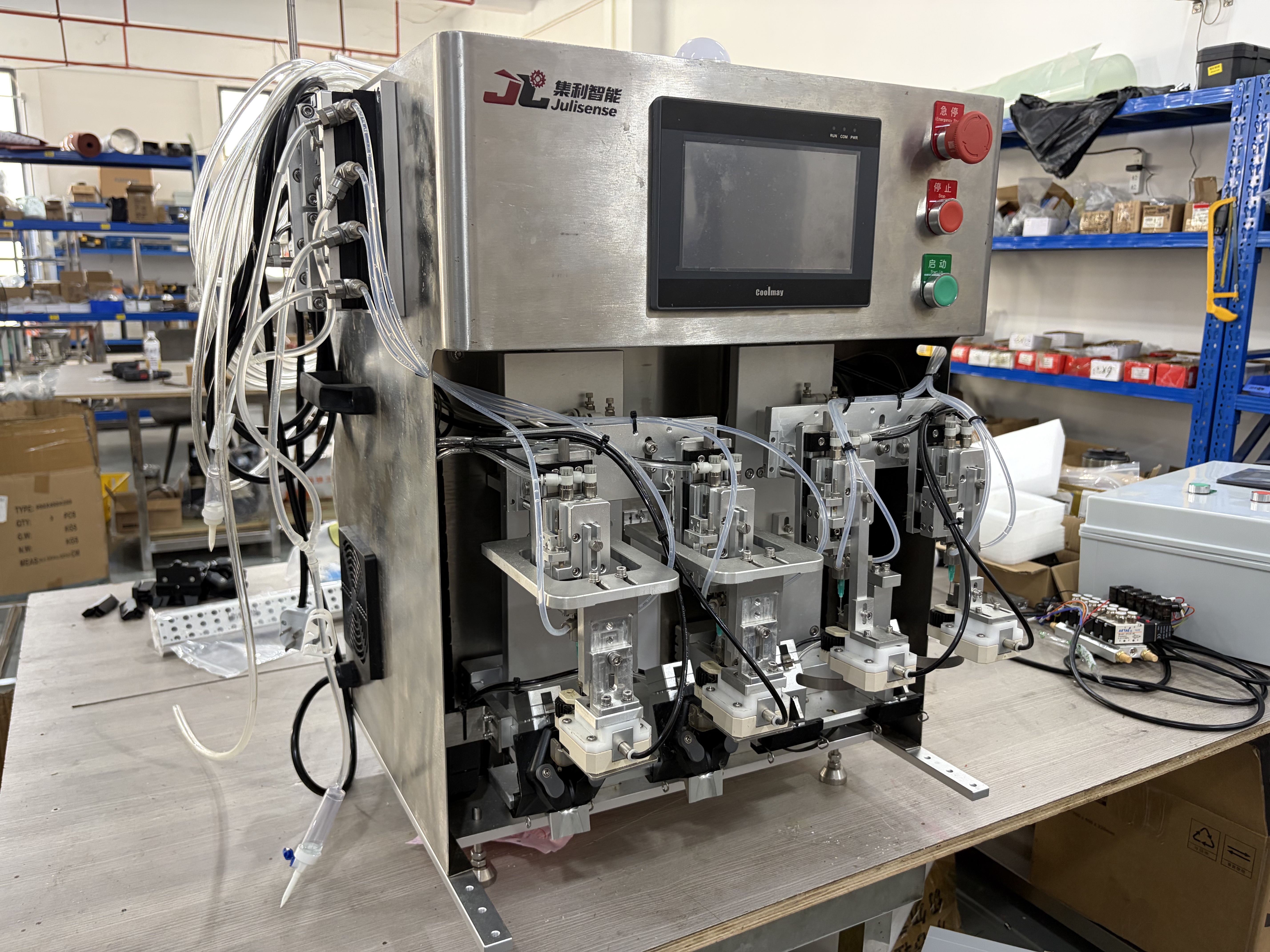
JuliSense presents equipment for automated poultry hatchery work, including the four-station automatic day-old chick vaccination machine and the day-old chick injection vaccinator. The JuliSense product portfolio adds the wider line context. These pages help define initial scope; the commissioning record should still name the exact configuration, customer procedure, and agreed evidence.
Test the awkward moments on purpose
A smooth cycle proves that the machine can run under favorable conditions. A production team needs to know how the station behaves when attention is divided. Add a few controlled interruptions to the rehearsal and record the response, not just the fact that the test was performed.
| Scenario to rehearse | What a good response shows | Record before release |
|---|---|---|
| Operator calls a planned pause | Status is clear and the restart owner is known | Pause state, restart steps, and teach-back result |
| A chick needs a manual check | The hold route is separate from the ordinary flow | Who decides, where the chick goes, and how the event is logged |
| Preparation material is not ready | The team can stop safely without improvising | Escalation path and conditions for a controlled restart |
| Shift changes mid-run | The incoming team can inherit the station from the record | Handover notes, open actions, and support contact |
These ordinary scenarios decide whether a new station feels like part of the hatchery or a machine that needs its own caretaker.
Turn the chick vaccination machine commissioning checklist into a release decision
At the end of the run, sort observations into three buckets: ready for the agreed production window, ready with a named action and owner, or not ready. Give each open item a due point and closing evidence. Keep the chick vaccination machine commissioning checklist with that decision so the next shift can see why the line was released. “Review later” is not a release category.
Separate equipment actions from customer actions. A software adjustment, replacement part, or training clarification may belong to the supplier. A procedure approval, room change, or staffing decision may belong to the hatchery. Clear boundaries make follow-up quicker and protect the relationship when the first production day is busy.
Ask better supplier questions after the test
The end of commissioning is a good time to ask questions that are difficult to answer from a brochure:
- Which configuration and change parts were actually tested, and which were outside this run?
- What training is included for operators, vaccination leads, and maintenance?
- Which spare parts and consumables should be held locally for the first operating period?
- How should the hatchery report an abnormal event, and what information should be sent with it?
- What does the supplier need from the customer before a remote or on-site support visit?
The JuliSense service page outlines design, OEM/ODM, quality, and one-stop support conversations. Confirm the exact deliverables, response route, and exclusions in the project quotation. The about page gives additional context on the company's manufacturing and R&D positioning.
Where JuliSense fits in the first-flock review
JuliSense is part of Jili Intelligent's focus on infrared beak trimming, chick vaccination, and automated hatchery equipment. That combination helps when a customer plans more than one station, but it should not blur acceptance. Start with the vaccination task, then identify the next handoff to conveying, processing, or a wider line.
Use the JuliSense FAQ page to frame common questions and send the measured layout, chick flow, approved procedure, operator plan, and commissioning evidence you want to discuss through the contact page. A clear first brief helps both sides spend the meeting on fit rather than guessing what the hatchery looks like.
Frequently Asked Questions
What is the most important item on a chick vaccination machine commissioning checklist?
The most important item is a witnessed, representative run with a clear release decision. It should connect the machine setup to the customer's approved vaccination method, operator handoffs, exception route, and record. A long list without an owner for each decision is less useful than a short list the shift team can actually use.
Should commissioning use live chicks?
That depends on the customer's qualified program, welfare requirements, and the agreed project plan. Begin with safe dry and controlled rehearsals. If a live production window is appropriate, the hatchery's responsible specialists should define the method, supervision, and acceptance checks.
How many operators should be present?
Include the people who will own the station on a normal shift: an operator, a supervisor or vaccination lead, and an engineering or maintenance contact as appropriate. The exact staffing depends on the line layout and customer procedure. The test should show what happens when one role is temporarily unavailable.
What should we send JuliSense before requesting a commissioning plan?
Send the room drawing, chick and tray flow, intended configuration, approved vaccination procedure, utilities, shift pattern, current manual work, and the evidence your team wants to see. This lets JuliSense discuss a practical scope instead of offering a generic demonstration.
A chick vaccination machine commissioning checklist earns its place when the first flock feels familiar rather than improvised. The final handover should leave the hatchery with a tested route, named owners, visible exceptions, and a support conversation that can continue after the supplier leaves.