


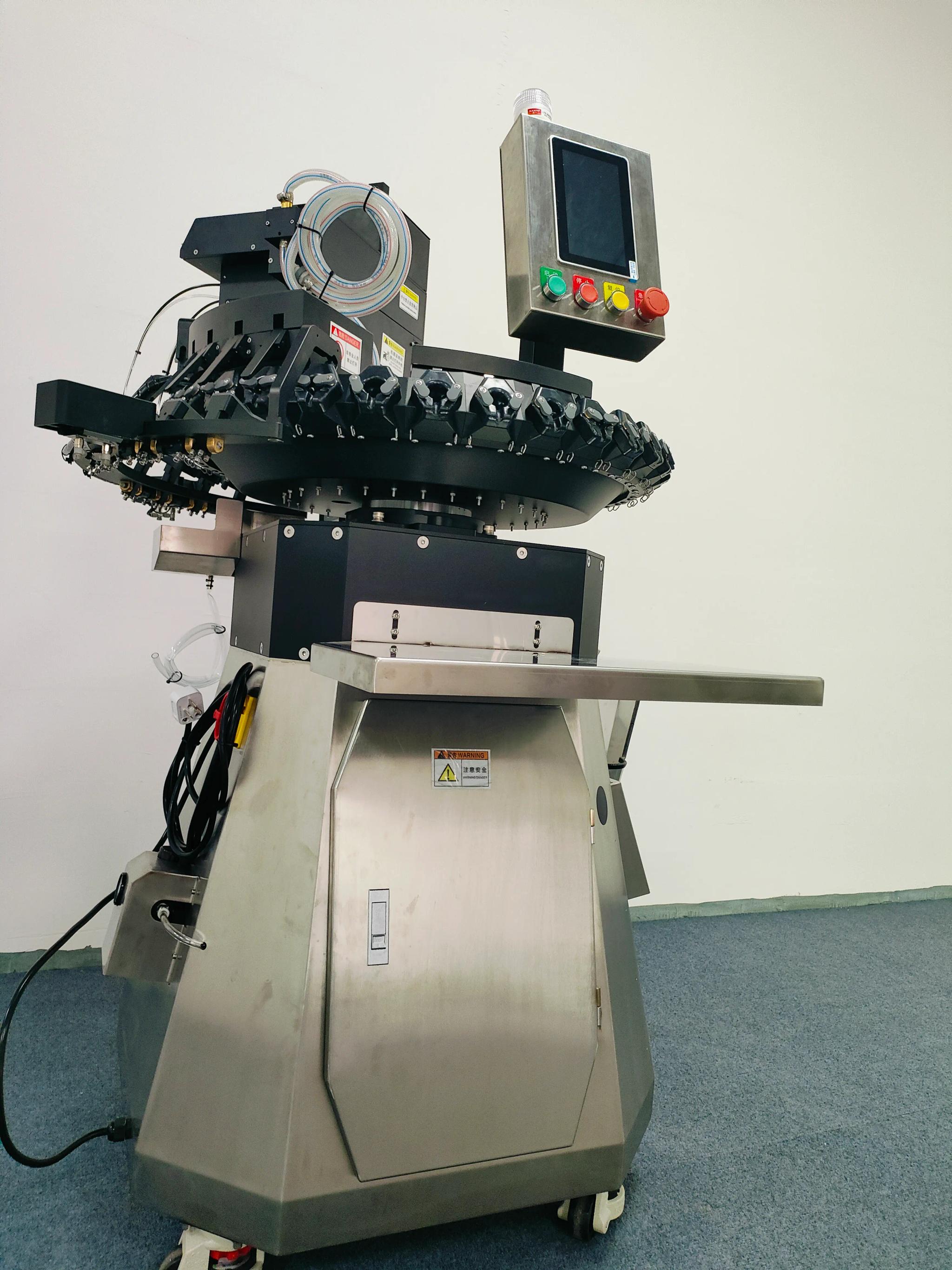
A day old chick beak trimming vaccination machine brings two hatchery activities into one workstation. That can simplify movement, but only when the approved treatment and vaccination processes, operator roles, sanitation method, controls, records, and project boundaries are designed together.
The useful buying question is not simply whether two functions fit inside one machine. It is whether one station can help the hatchery perform two controlled activities without hiding responsibility or creating a difficult recovery when one part of the workflow pauses.
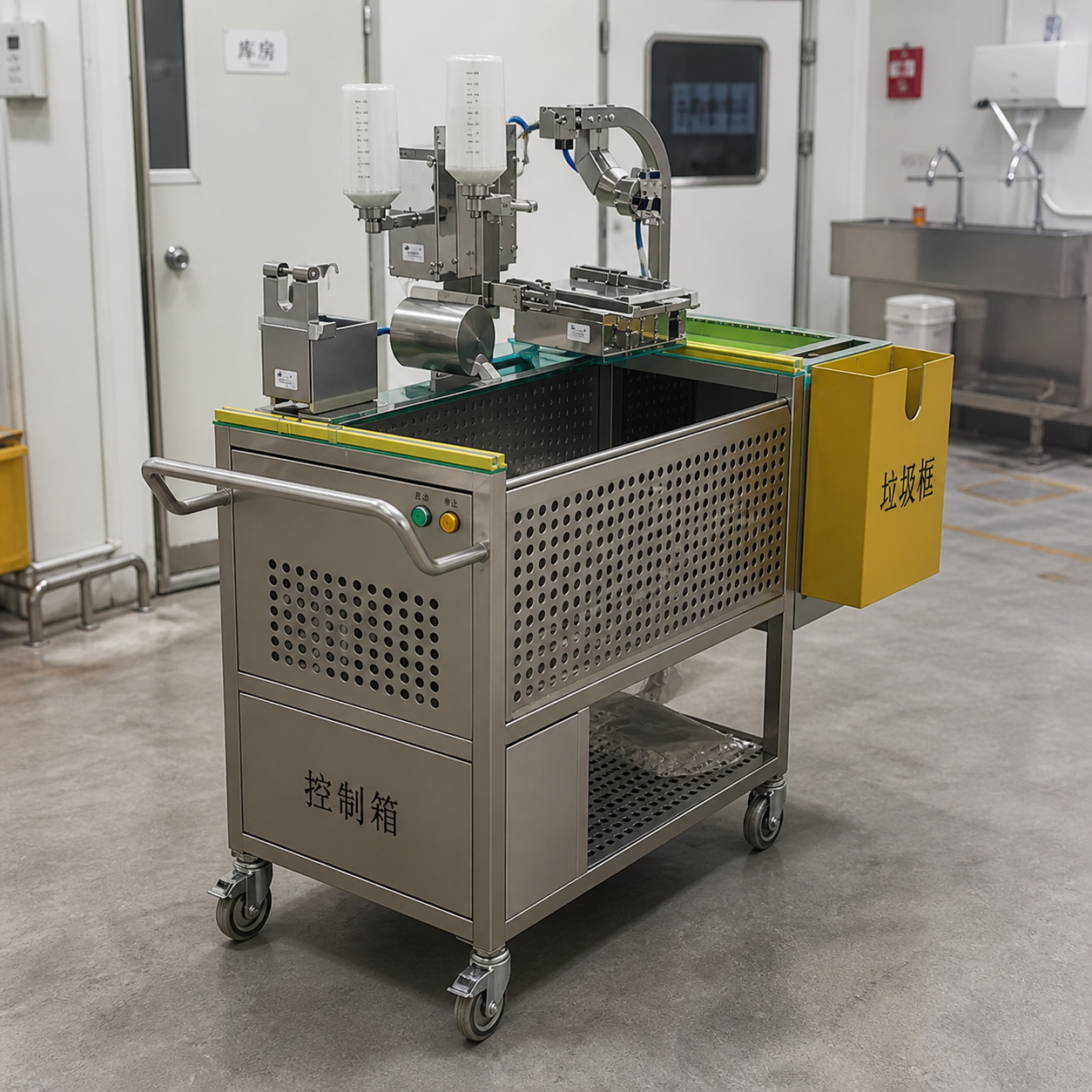
The Decision Begins Before the Chick Reaches the Station
Walk backward from the operator. Where do incoming containers arrive? Who confirms the batch and approved program? How are supplies prepared and identified? What must be checked before the station is released for production?
An integrated workstation removes a physical handoff only if the upstream work is ready. If the operator must leave the station to collect supplies, correct containers, or seek approval, the apparent integration may simply move the delay.
Jili Intelligent presents a day-old chick infrared beak trimming and vaccination machine within the JuliSense equipment range. The final configuration should follow the customer's approved process, room, staffing, and destination requirements.
One Operator Does Not Mean One Responsibility
The person at the station may perform several actions, but technical responsibility should remain clear. The customer's qualified veterinary or welfare owners approve the applicable procedures. Production manages the operating plan. Quality defines required records. Engineering and maintenance own technical interfaces and recovery. The supplier explains machine capability and supports the agreed project scope.
During a trial, ask each role to describe what it needs from the day old chick beak trimming vaccination machine. The answers should become requirements for access, controls, records, training, documents, and acceptance.
The World Organisation for Animal Health Terrestrial Code is an internationally recognized animal-health and welfare reference. Local requirements and the customer's qualified owners remain decisive for the actual process.
The Most Revealing Test Is an Uneven Moment
Normal running can make two functions look perfectly synchronized. Create a controlled situation in which one side needs attention. What happens to the other activity? Where does the current chick go? Does the operator receive a clear message? Who decides whether to continue, pause, or restart?
This is not a request to simulate an unsafe condition. It is a planned demonstration of the approved response to an ordinary interruption. It shows whether integration includes recovery logic or only normal-flow logic.
For machinery risk discussions, ISO 12100 offers a general framework for risk assessment and risk reduction. The final risk review should include the workstation, people, supplies, surrounding equipment, and destination rules.
Follow the Operator's Hands, Eyes, and Questions
Watch a representative operating sequence without judging only speed. Where does the operator look before each action? Which hand reaches for which supply? When is a supervisor needed? Can the operator identify the current state without asking the supplier's technician?
The day old chick beak trimming vaccination machine should reduce unnecessary movement, not compress two unclear tasks into one crowded area. Record repeated reaches, turns, visual checks, replenishment, container changes, and the moments when another person assists.
The observations may lead to a different table height, supply position, container route, screen arrangement, guarding concept, or staffing plan. These are project decisions, not cosmetic details.
Cleaning Must Separate the Two Process Conversations
Ask sanitation and quality teams to describe the complete cleaning cycle. Which parts are removed? Which areas require inspection? How are tools controlled? Where are components placed? How is reassembly confirmed? Who releases the station?
An integrated machine deserves particular attention because the team must understand the boundaries between treatment components, vaccination components, shared surfaces, supplies, and the surrounding workstation. Material descriptions alone do not prove that the site procedure will be practical.
The JuliSense service page provides a basis for discussing design support, commissioning, training, and after-sales needs. Project-specific sanitation training and documents should be named in the quotation.
A Two-Function Acceptance Script
Acceptance should prove the agreed workflow, not merely show that each function can operate separately. Build a script around representative conditions:
| Test scene | What the buyer should learn |
|---|---|
| Preparation | Whether roles, supplies, program checks, and room release are clear |
| Normal sequence | Whether handling and operator rhythm support the approved process |
| One controlled pause | How the other function, current work, and restart are managed |
| Supply change | Whether identification, replenishment, and access remain controlled |
| Cleaning access | Whether removal, inspection, reassembly, and release are practical |
| Handover | Which records, documents, and open items transfer to the customer |
Confirm the exact configuration, materials, staffing, conditions, method, responsibilities, and evidence before the test. Otherwise, a successful demonstration may not represent the ordered station.
Put Integration Into the Commercial Scope
A quotation for a day old chick beak trimming vaccination machine should identify the included machine configuration, treatment and vaccination components, controls, accessories, workstation elements, documents, training, commissioning, recommended spares, travel, and acceptance support.
It should also identify exclusions: site utilities, civil work, local labor, supplies, network connections, surrounding equipment, local approvals, and customer technical responsibilities where applicable.
Before approval, ask one person outside the core project team to read the day old chick beak trimming vaccination machine scope. If that reader cannot distinguish the supplier deliverables, customer preparations, technical approvals, and evidence required at handover, the commercial package still depends on insider knowledge.
Buyers can review the broader JuliSense product portfolio, company background on About Us, and common project questions on the FAQ page.
Ten Questions About the Integrated Workstation
Does one station always require fewer operators?
Not automatically. Staffing depends on the selected configuration, incoming flow, supplies, container handling, supervision, approved procedures, and changeover needs.
Who approves treatment and vaccination settings?
The customer's qualified veterinary or technical owners approve the applicable programs. The supplier explains equipment capability and control boundaries.
What should happen if one function pauses?
The approved response should define process protection, current work, operator information, escalation, restart authority, and any required records.
Can the two functions be tested separately?
Individual checks are useful, but acceptance should also evaluate the integrated sequence and representative handoffs.
What should the operator see on the screen?
Confirm the states, messages, program access, alarms, and records required for each role and available in the selected configuration.
How should supplies be included in the layout?
Show preparation, identification, staging, replenishment, temporary storage, waste handling, and access without blocking the operator or sanitation route.
What should sanitation inspect?
Inspect visibility, reach, removal, tool use, part placement, shared areas, reassembly, drying assumptions, and release responsibility.
Which documents belong in handover?
Define drawings, manuals, control descriptions, maintenance guidance, parts information, test records, training materials, and open-item records.
Is a single headline capacity enough?
No. Ask how it was defined and which configuration, staffing, materials, conditions, changes, and interruptions it assumes.
How can buyers start an integrated review with JuliSense?
Use the JuliSense contact page to send the approved applications, room layout, batch pattern, operator plan, required records, and destination.
Make One Station a Clearer Process
The right day old chick beak trimming vaccination machine project makes responsibilities more visible as the physical handoff becomes shorter. The buyer should understand preparation, operator work, uneven moments, sanitation, controls, acceptance, and commercial boundaries before signing the order.
JuliSense can use a workflow sketch and cross-functional question list to prepare a focused configuration discussion. Integration is valuable when two functions become one controlled workstation, not merely one cabinet.