


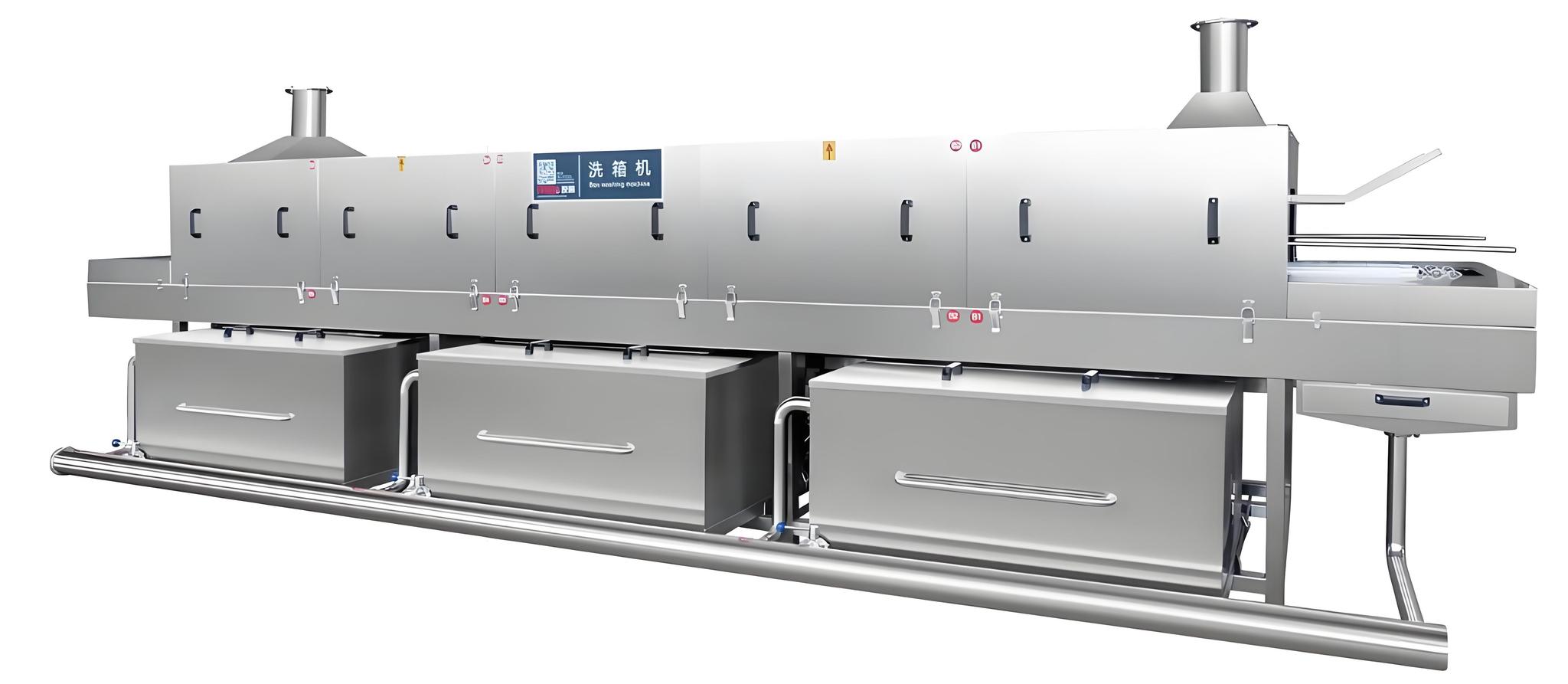
A hatchery crate washer hygiene workflow is easier to judge when you follow one used crate until it is genuinely ready to return. The useful question is not simply whether a machine sprays, rinses, or moves containers. It is whether the hatchery can see the boundary between dirty work, cleaning, inspection, release, and the next clean handoff.
Picture the end of a busy dispatch window. Empty crates are coming back faster than the team can stage them, a sanitation operator is waiting for a safe access point, and production wants a reliable supply of clean containers for the next run. That moment is where a supplier conversation becomes practical. The machine, the room, the people, and the release decision have to make sense together.
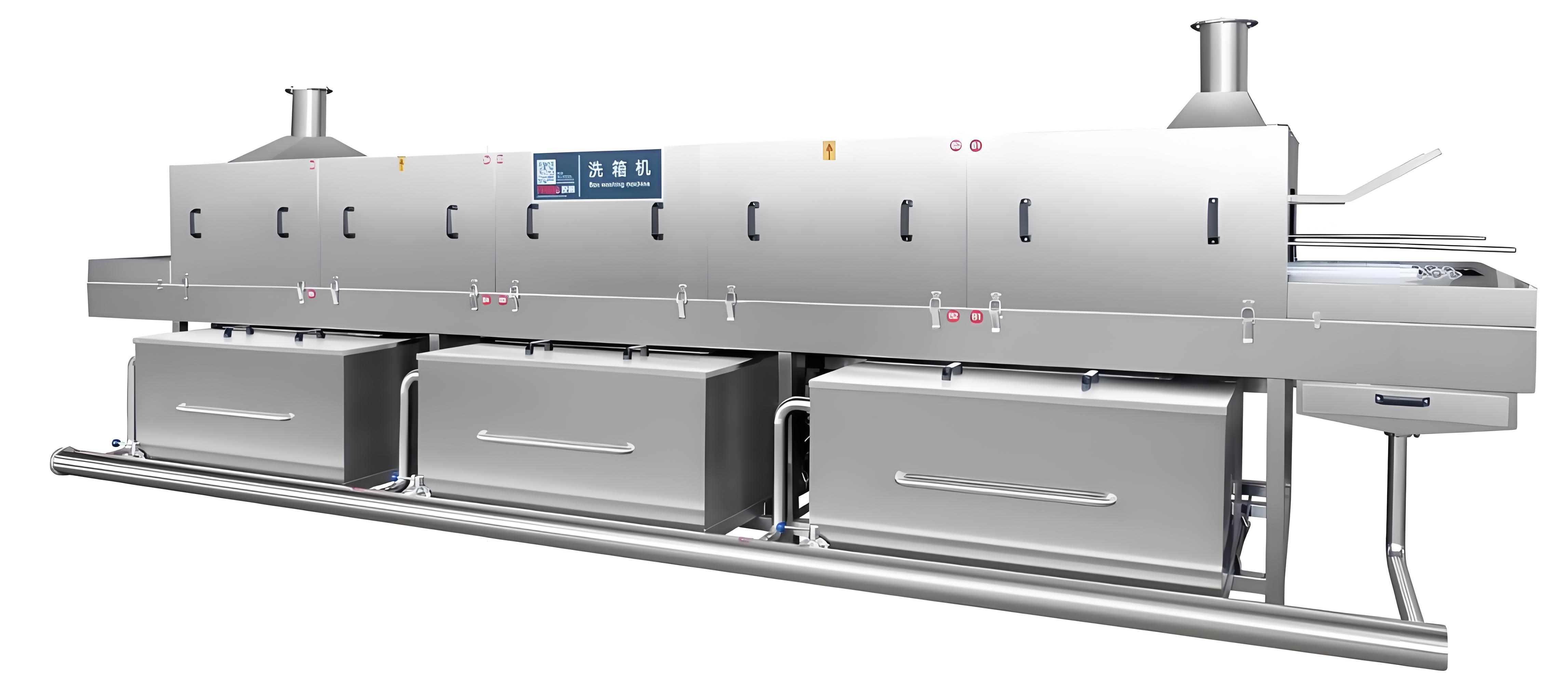
Start at the return door, not at the product brochure
Walk the route in the same direction an operator experiences it: return, temporary holding, infeed, washing, rinsing or sanitizing stages where applicable, inspection, and clean dispatch. Mark what is visible at each point and what is only assumed. A crate may be physically clean while its status is still unclear. Conversely, a clean exit may be well controlled while the dirty side is creating a queue that the brochure never shows.
Write down the container types, arrival pattern, room boundaries, drainage, utilities, traffic crossings, and the person who can release a crate. Keep the approved sanitation program with the hatchery's qualified owners. A machine supports that program; it does not define chemicals, contact times, microbiological acceptance, or destination rules on the customer's behalf.
Jili Intelligent positions JuliSense around automated poultry hatchery equipment and integrated solutions. The JuliSense product portfolio includes continuous crate washing and connected handling options, while the automatic continuous crate washer page describes a continuous conveyor, multi-stage spray cleaning, stainless construction, and configurable controls. Treat those as a starting scope. The final arrangement still needs to be confirmed against the real room and operating program.
Three snapshots tell a better story than one demonstration
A supplier demonstration often begins with every crate in the right orientation and ends with an empty conveyor. That is useful, but it is not the whole decision. Ask the team to capture three snapshots during the review.
| Snapshot | What to observe | Why it changes the decision |
|---|---|---|
| Return peak | Where used crates wait, who presents them, and how the queue is controlled | Shows whether the infeed assumption matches the hatchery's busiest ordinary period |
| Clean exit | How a crate is inspected, identified, staged, and released to the next user | Separates a cleaning action from a usable, traceable container supply |
| Recovery | What happens after a planned pause, blocked lane, missing utility, or inspection hold | Reveals the people, space, and restart work hidden by a smooth run |
This is the heart of a hatchery crate washer hygiene workflow: connect each visual state to an owner and an allowed next action. If the operator cannot tell whether a crate is waiting for washing, waiting for inspection, or released for use, the workflow is incomplete even when the machine itself is running.
Make the clean exit an observable event
“Clean” is often treated as a final adjective. For a project team, it should be an event with a visible boundary. Decide what the operator sees, what is recorded, who checks exceptions, and where the released crate goes. The evidence may be a status signal, a count, a batch record, a visual check, or a customer-defined release form. The correct combination belongs to the site's approved program and the selected configuration.
A well-defined hatchery crate washer hygiene workflow makes that boundary easy to explain during a shift change: this crate is in process, that crate is held, and the next group is released for use.
Give the next user a real handoff
Ask a downstream operator to receive a released crate without help from the supplier. Can that person identify the route, understand the status, and find the clean staging limit? Can sanitation explain what is still on hold? Can production see when the supply is ready without walking back to the washer?
These small questions are more revealing than a headline throughput figure. They show whether the clean side is designed for the next shift, not only for the person standing beside the control panel.
Keep dirty and clean decisions separate
Place the decision boundary on the room plan. Identify where used material may enter, where clean material may leave, and what happens if a crate crosses the wrong way. Include doors, drains, temporary storage, waste, maintenance access, and the route for a technician. The WOAH Terrestrial Code provides international animal-health context; the hatchery's own biosecurity and sanitation program controls the final method and release.
Choose the project boundary before choosing the machine boundary
Some sites need a standalone continuous washer. Others need washing connected to inverting, liner placement, stacking, conveying, or dispatch preparation. Both can be sensible. The mistake is comparing them as if they were the same purchase.
Use the hatchery crate washer hygiene workflow to decide which connection solves a real handoff problem and which would only add equipment to the room.
Use a simple scope conversation:
- Washer only: confirm dirty infeed, cleaning stages, utilities, drainage, clean inspection, and clean-side staging.
- Washer plus handling: define the container orientation, transfer signals, buffer limits, and who owns the next handoff.
- Connected hatchery route: include room layout, traffic, controls, sanitation boundaries, commissioning, training, and the customer-supplied work.
The poultry crate washing system with inverting and liner placement page shows why connected functions need their own review: washing, inversion, liner placement, stacking, and conveying can become one workflow. Whether those functions belong in one project depends on the hatchery's route, space, and operating priorities. Ask for the included modules and exclusions in plain language.
Read the room through four practical questions
Instead of asking “How automatic is it?”, ask questions that a production and sanitation team can answer together.
Where does the queue go when the washer is full?
Define the maximum temporary holding area, the safe traffic route, and the person who changes the operating state. A queue that has no owner becomes an unplanned manual process.
What does an operator do with a doubtful crate?
Agree the hold location, identification, escalation, and permitted next step. Do not let a doubtful container drift from the clean exit back into ordinary production flow.
How is the machine opened, inspected, and released?
Review guards, access, removable parts, tools, water or moisture boundaries, inspection points, and reassembly checks. Maintenance and sanitation should walk the same path, even though their responsibilities differ.
What does the next shift inherit?
Handover should include the selected configuration, operating ownership, cleaning route, inspection record, support path, training evidence, open items, and the status of any held material. The JuliSense service page describes design, OEM/ODM, quality, and one-stop support conversations; exact response commitments and included services belong in the commercial scope.
Build an evidence scorecard for the supplier meeting
A useful scorecard is short enough to use in a meeting and specific enough to challenge a proposal. Give every answer an evidence type rather than a vague “yes.”
| Decision area | Evidence that helps | Open question to keep visible |
|---|---|---|
| Flow fit | Marked room plan and representative return pattern | What happens during the ordinary peak? |
| Cleaning scope | Stage description, access view, and customer-approved release steps | Which acceptance decisions remain with the site? |
| People | Operator teach-back and sanitation/maintenance walk-through | Who covers a break, hold, or abnormal event? |
| Interfaces | Signal list, buffer limit, and restart sequence | Who tests the next handoff? |
| Support | Training plan, spare-parts recommendation, and escalation route | What is included after commissioning? |
When two suppliers answer the same scorecard, the comparison becomes calmer. You can see which proposal explains the working day, which assumes the customer will solve the room, and which still needs an integration review.
Where JuliSense fits in the conversation
JuliSense is presented by Jili Intelligent as a specialist in infrared beak trimming and automated hatchery solutions. That matters here because a crate washer may sit beside chick transfer, vaccination, conveying, stacking, or other equipment. A supplier conversation is more useful when it looks at the whole route without pretending that every site has the same sanitation program or layout.
Use the about page to understand the company's R&D and manufacturing positioning, the FAQ page for common project questions, and the JuliSense contact page to share the room plan, crate types, return pattern, clean-side destination, utilities, and the evidence your team wants to review.
Frequently Asked Questions
Is a hatchery crate washer hygiene workflow the same as a cleaning specification?
No. The workflow explains movement, ownership, status, inspection, and release around the equipment. The hatchery's approved cleaning and biosecurity program defines the actual method, agents, verification, and acceptance requirements.
Should we buy a standalone washer or a connected system?
Start with the return route and the clean destination. A standalone washer may be appropriate when the surrounding handling is already controlled. A connected system can make sense when washing, inversion, liner placement, stacking, or conveying must work as one route. Ask the supplier to price the boundaries separately.
What information should we send for a first JuliSense review?
Share a measured room plan, crate dimensions, ordinary and peak return patterns, dirty and clean traffic rules, utilities, drainage, current manual work, the desired handoff, and the people who own sanitation and release. This gives the discussion a real operating context.
Can the workflow prove a sanitation result?
The workflow can show where a result is checked, who records it, and what happens when a crate is held. It cannot replace the hatchery's qualified sanitation, animal-health, or regulatory decisions. Define those requirements before the trial and keep them in the acceptance record.
Let the clean exit earn the investment
A hatchery crate washer hygiene workflow earns its place when the return door, cleaning stages, clean exit, people, and recovery route tell one coherent story. It helps a buyer see whether the proposal supports the next production step or simply adds a machine to the room.
Before requesting a final quotation, ask the team to walk one used crate to release, pause the route once, and explain the handoff without supplier prompts. If the answer is clear, JuliSense can review a better-defined equipment and integration brief. If it is not, the missing detail is already telling you where the project needs attention.